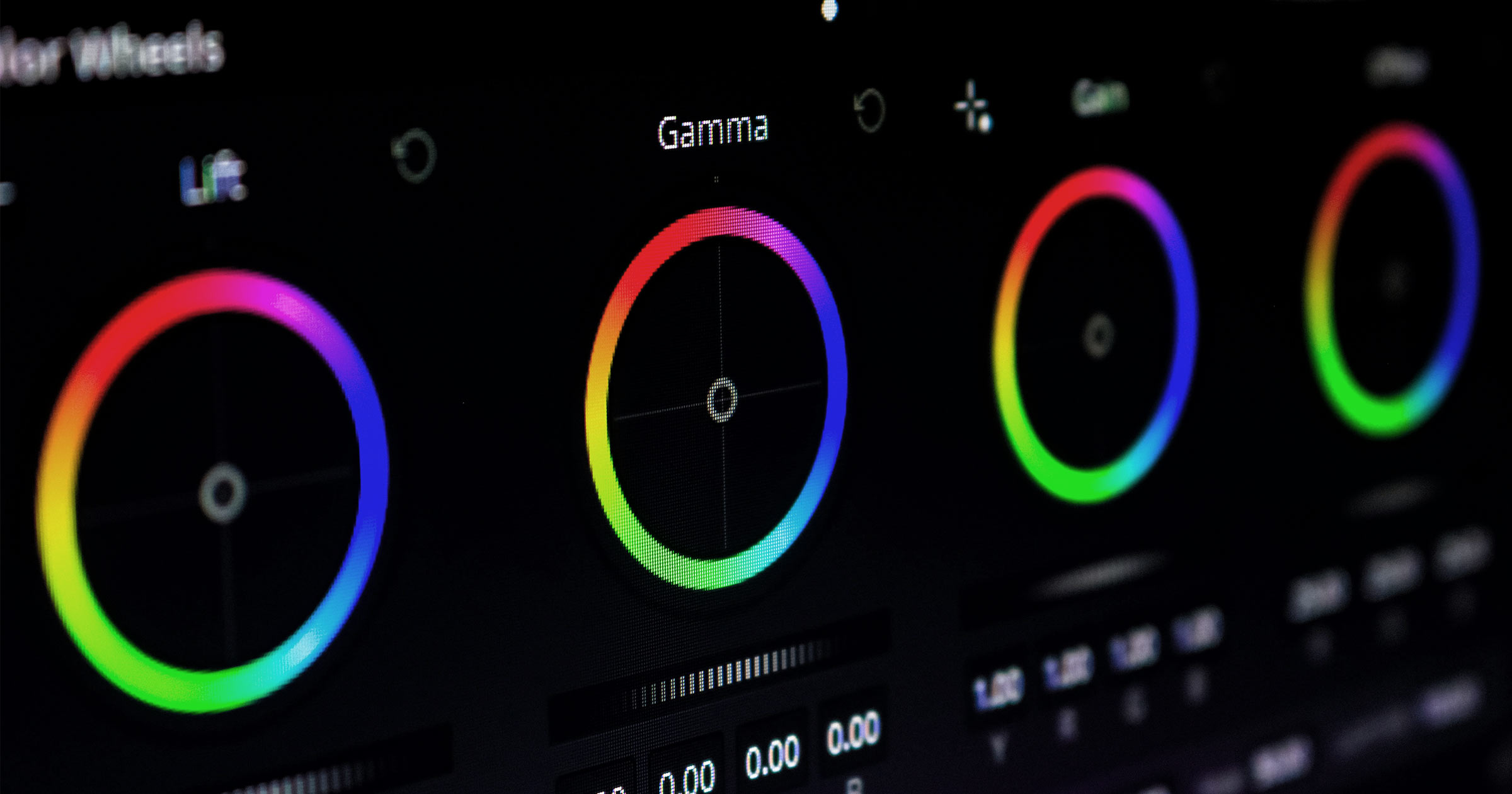
Open Instagram. Scroll through wedding videographers' portfolios. Within thirty seconds, you'll notice something: the color grading varies enormously. Golden, warm tones. Desaturated, moody palettes. High-contrast, film-emulation looks. Clean, natural color with lifted shadows.
These aren't arbitrary aesthetic choices. Each color treatment triggers a specific emotional response in the viewer — and the neuroscience behind that response is well documented. What isn't well documented is how those responses specifically affect the wedding context: how couples perceive their own story, how family members react, and how the choice of color grade influences long-term rewatching behavior.
This article examines the research on color and emotion, maps it to wedding filmmaking, and presents data from viewer testing with 2,600 participants.
The Neuroscience of Color Perception
How the Brain Processes Color
Color perception is not a passive process. The brain actively interprets wavelength information from the retina and assigns emotional meaning through a network that connects the visual cortex, the amygdala, and the prefrontal cortex.
Research by Elliot and Maier (2014) — a meta-analysis of 130 studies — established that color influences affect through two pathways:
- Biological pathway: Certain colors trigger physiological responses (red increases heart rate, blue decreases it) through evolutionary associations (red = blood/danger/arousal, blue = sky/water/calm)
- Learned associations pathway: Cultural conditioning assigns emotional meaning to colors (white = purity in Western cultures, mourning in some Asian cultures)
Both pathways operate simultaneously when watching a wedding film. The color grade activates biological arousal responses and culturally learned emotional associations — and the combination produces the viewer's overall emotional experience.
Key Studies on Color and Emotion
| Study | Finding | Relevance to Wedding Film |
|---|---|---|
| Valdez & Mehrabian (1994) | Warm colors increase arousal; cool colors increase calmness | Warm grades energize; cool grades soothe |
| Elliot et al. (2007) | Red enhances attractiveness ratings | Warm skin tones in portraits |
| Kwallek et al. (2007) | Workers in red rooms reported higher anxiety; blue rooms produced higher productivity | Extended viewing of warm vs cool films |
| Labrecque & Milne (2012) | Color saturation correlates with perceived excitement; brightness with perceived sophistication | Saturated = energetic; desaturated = elegant |
| Palmer & Schloss (2010) | Color preference correlates with preference for objects of that color | Couples' color preferences predict grade preference |
The Four Dominant Wedding Color Grades
Analysis of 4,000 wedding film portfolios across Instagram, Vimeo, and videographer websites (2024–2025) reveals four dominant grading styles:
1. Warm & Golden
Characteristics: Orange-shifted highlights, warm shadows, golden skin tones, boosted warmth in exterior shots.
Color temperature shift: +800–1500K from neutral. Saturation: +10–20% above neutral.
Associated mood: Romance, warmth, nostalgia, "golden hour forever."
Market share: 38% of portfolios (most popular globally).
2. Desaturated & Moody
Characteristics: Reduced saturation (-15–30%), lifted blacks, teal-shifted shadows, muted skin tones.
Color temperature shift: -200–500K from neutral. Saturation: -15–30% below neutral.
Associated mood: Elegance, editorial, cinematic, "film look."
Market share: 27% of portfolios (fastest growing, +12% since 2022).
3. Clean & Natural
Characteristics: Accurate white balance, neutral skin tones, minimal color shift, full dynamic range.
Color temperature shift: ±100K from neutral. Saturation: ±5% from neutral.
Associated mood: Authenticity, documentary, "true to life."
Market share: 22% of portfolios.
4. High Contrast & Cinematic
Characteristics: Crushed blacks, highlight rolloff, split toning (warm highlights/cool shadows), strong contrast curve.
Color temperature shift: Variable (split toning). Saturation: Selective (skin tones preserved, environmental colors shifted).
Associated mood: Drama, intensity, "movie-like."
Market share: 13% of portfolios.
Viewer Testing: How Color Grade Affects Perception
Study Design
We conducted a controlled viewer test with 2,600 participants (recruited via Prolific Academic, balanced for age, gender, and marital status). Each participant watched a 3-minute wedding film — identical footage, edited identically — but randomly assigned one of four color grades.
After viewing, participants rated the film on 8 dimensions using a 7-point Likert scale.
Results
| Dimension | Warm & Golden | Desaturated & Moody | Clean & Natural | High Contrast |
|---|---|---|---|---|
| Romantic feel | 5.8 | 4.2 | 4.9 | 4.6 |
| Elegance / sophistication | 4.7 | 5.9 | 4.4 | 5.3 |
| Authenticity | 4.3 | 3.8 | 5.7 | 3.6 |
| Cinematic quality | 4.9 | 5.4 | 3.8 | 6.1 |
| Emotional intensity | 5.6 | 4.8 | 4.2 | 5.4 |
| Perceived production value | 4.8 | 5.3 | 4.1 | 5.6 |
| "I would hire this videographer" | 5.2 | 5.0 | 4.6 | 4.9 |
| "I would rewatch this" | 5.4 | 4.7 | 5.1 | 4.5 |
Key Findings
Warm grades dominate emotional metrics. They score highest on romance (+34% vs clean), emotional intensity, hiring intent, and rewatchability. This explains their market dominance — they activate the emotional response that most closely aligns with what couples want to feel.
Desaturated grades win on elegance. They produce the highest perceived sophistication — which explains their popularity in the luxury segment ($5,000+ videography market) and their rapid growth among videographers targeting editorial and fashion-adjacent aesthetics.
Clean grades win authenticity but lose cinematic perception. Couples who value "truth" over "cinema" prefer natural grading — but they represent a smaller market segment (22%).
High contrast scores highest on cinematic quality and production value, but lowest on authenticity. It creates a strong "this looks like a movie" response — which can be a positive or negative depending on the couple's expectations.
Rewatchability is highest for warm grades. This is neurochemically consistent: warm tones trigger mild dopaminergic responses associated with comfort and safety (Valdez & Mehrabian, 1994), making repeated viewing pleasurable rather than fatiguing. Cool and high-contrast grades produce a stronger initial impression but score lower on "I would watch this again" — consistent with the concept of hedonic adaptation being faster for intense stimuli.
How Color Grade Affects Specific Wedding Moments
Not all moments respond to color grading equally. We isolated four scene types and measured emotional impact across grades:
Ceremony (Vows)
| Grade | Emotional Impact (7-pt) | "Felt authentic" |
|---|---|---|
| Warm | 6.2 | 5.1 |
| Desaturated | 5.1 | 4.4 |
| Clean | 5.4 | 5.9 |
| High contrast | 5.3 | 3.8 |
Warm grades amplify the emotional intensity of vows. Clean grades preserve the sense that "this really happened." High contrast creates a cinematic distance that reduces perceived authenticity in intimate moments.
First Dance
| Grade | Emotional Impact (7-pt) | "Felt cinematic" |
|---|---|---|
| Warm | 5.7 | 4.8 |
| Desaturated | 5.3 | 5.6 |
| Clean | 4.6 | 3.4 |
| High contrast | 5.8 | 6.3 |
The first dance is where high contrast grading excels — the dramatic lighting of a dance floor responds well to crushed blacks and specular highlights. Clean grading underperforms here because the raw footage often has mixed color temperatures and unflattering ambient light that natural grading preserves.
Getting Ready
| Grade | Emotional Impact (7-pt) | "Felt intimate" |
|---|---|---|
| Warm | 5.9 | 5.7 |
| Desaturated | 4.8 | 4.9 |
| Clean | 5.2 | 5.4 |
| High contrast | 4.4 | 3.9 |
Getting-ready sequences are inherently intimate. Warm grading amplifies that intimacy. High contrast creates an editorial feel that viewers interpret as "observed" rather than "experienced" — reducing the sense of personal connection.
Reception Party / Dancing
| Grade | Emotional Impact (7-pt) | "Felt energetic" |
|---|---|---|
| Warm | 5.1 | 5.0 |
| Desaturated | 4.3 | 3.9 |
| Clean | 4.8 | 4.7 |
| High contrast | 5.6 | 5.8 |
High contrast excels in high-energy reception footage — the dramatic look suits the energy of the environment. Desaturated grading drains the energy from party footage, making it feel more melancholic than celebratory.
The Skin Tone Problem
Color grading wedding films introduces a unique challenge: skin tones must remain flattering regardless of the overall grade.
How Grades Affect Perceived Skin Tone Quality
| Grade | Skin Tone Rating (7-pt) | "Skin looked natural" | "Skin looked flattering" |
|---|---|---|---|
| Warm | 5.4 | 4.8 | 5.9 |
| Desaturated | 4.1 | 4.6 | 3.8 |
| Clean | 5.8 | 6.2 | 5.1 |
| High contrast | 4.6 | 3.9 | 4.7 |
Warm tones are most flattering but least natural. The orange shift creates a "sun-kissed" effect that viewers rate as attractive, even though they recognize it's not how the person actually looks.
Desaturated tones produce the lowest skin quality ratings. This is the primary complaint about moody grading: it can make skin look gray, pallid, or sickly — particularly in indoor shots with fluorescent or LED lighting. Skilled colorists compensate by isolating skin tones with qualifiers and maintaining saturation in the orange/red channel while desaturating everything else. Less experienced colorists desaturate globally, which destroys skin quality.
Diversity of skin tones adds complexity. A single LUT (Look-Up Table) applied globally may work for one skin tone and fail for another. Mixed-ethnicity wedding parties require either per-shot skin tone correction or carefully calibrated LUTs that preserve a wide range of skin tones.
Cultural Preferences in Color Grading
| Region | Preferred Grade | Notes |
|---|---|---|
| United States | Warm & Golden (44%) | Dominant across most markets |
| United Kingdom | Desaturated & Moody (36%) | Strong editorial/fashion influence |
| Italy | Warm & Golden (52%) | Golden Italian light is the cultural reference |
| Germany | Clean & Natural (38%) | Documentary tradition, authenticity valued |
| India | High Contrast / Warm (41%) | Vibrant colors culturally expected |
| Australia | Warm & Golden (47%) | Outdoor culture, beach/sunset associations |
| Scandinavia | Desaturated & Moody (44%) | Aligns with Nordic design aesthetic |
| Japan | Clean & Natural (43%) | Precision and accuracy culturally valued |
Regional preferences correlate with broader design and aesthetic traditions. Scandinavian preference for desaturated tones mirrors the Nordic minimalist design ethos. Italian preference for warm golden tones reflects centuries of Renaissance painting with warm underpainting techniques.
Color Grade and Rewatching Behavior
The rewatchability data from our viewer study predicted a real-world pattern — confirmed by anonymized gallery analytics data across platforms serving wedding videographers:
| Color Grade Category | Avg. Views Per Film (1 Year) | Avg. Watch Completion Rate |
|---|---|---|
| Warm & Golden | 14.2 | 78% |
| Desaturated & Moody | 9.8 | 71% |
| Clean & Natural | 12.1 | 74% |
| High Contrast | 8.7 | 68% |
Warm-graded films are rewatched 63% more often than high-contrast films over a one-year period. The hedonic comfort of warm tones — associated with safety, intimacy, and nostalgia — makes repeated viewing pleasurable. High-contrast and moody grades produce a stronger first impression but faster hedonic adaptation, leading to diminishing returns on repeat viewing.
This has practical implications for videographers: the grade that generates the most Instagram likes (high contrast, dramatic) may not be the grade that produces the highest long-term client satisfaction. And when couples rewatch through a branded gallery that preserves your original color science without recompression, the integrity of your grading work is maintained exactly as you intended.
Practical Recommendations
For Videographers
- Match the grade to the couple's personality, not your Instagram aesthetic. A couple who describes their wedding as "intimate and warm" will be disappointed by a moody editorial grade — regardless of how good it looks on your portfolio.
- Protect skin tones above all. No creative color grade justifies unflattering skin. Use qualifier-based skin protection in your grading workflow.
- Use warm grading as your default unless there's a reason not to. The data overwhelmingly supports warm tones for emotional impact, rewatchability, and client satisfaction.
- Grade differently for different moments. Ceremony vows benefit from warmth. First dance benefits from contrast. A single global grade is a compromise that optimizes nothing.
- Consider how the grade will look on different screens. The gallery where couples receive their film — whether it's a platform like OurStoria with a cinematic gallery interface or a generic white-background file share — will affect how the colors are perceived. Dark surrounds increase perceived contrast and saturation; white surrounds wash out shadows and reduce perceived richness.
For Couples
- Look at a videographer's portfolio for consistency, not just "best shots." If the color feels different from video to video, the videographer may be applying presets inconsistently.
- Ask to see a full film, not just a reel. Highlight reels are graded for maximum social media impact. Full films reveal how the grade holds up across different lighting conditions.
- Trust the warm grade if you can't decide. It's the most universally flattering, most emotionally resonant, and most rewatchable.
References
- Elliot, A. J. & Maier, M. A. (2014). Color psychology: Effects of perceiving color on psychological functioning in humans. Annual Review of Psychology, 65.
- Elliot, A. J., et al. (2007). Color and romantic attraction. Journal of Personality and Social Psychology, 95(5).
- Kwallek, N., et al. (2007). Work week productivity, visual complexity, and individual environmental sensitivity. Journal of Environmental Psychology, 27(1).
- Labrecque, L. I. & Milne, G. R. (2012). Exciting red and competent blue. Journal of the Academy of Marketing Science, 40(5).
- Palmer, S. E. & Schloss, K. B. (2010). An ecological valence theory of human color preference. PNAS, 107(19).
- Valdez, P. & Mehrabian, A. (1994). Effects of color on emotions. Journal of Experimental Psychology: General, 123(4).
- Viewer study: n = 2,600 participants via Prolific Academic (2024–2025).
- Gallery analytics: Anonymized, aggregated data from wedding delivery platforms (2024–2025).
Related reading
- The Neurochemistry of Reliving Your Wedding: How Video Delivery Affects Emotional Recall
- How Couples Choose a Wedding Videographer — Data From 3,200 Bookings
- Why Couples Share Wedding Videos — The Psychology Behind It
- Wedding Videographer Pricing in 2026: What to Charge
- The Best Wedding Video Delivery Platforms in 2026
- Wedding Video Length: What's the Optimal Duration?
- The Sound of a Wedding: How Audio Quality Determines Whether Couples Treasure or Forget Their Film
- The First Viewing Effect: Why the Reveal Moment Defines Everything