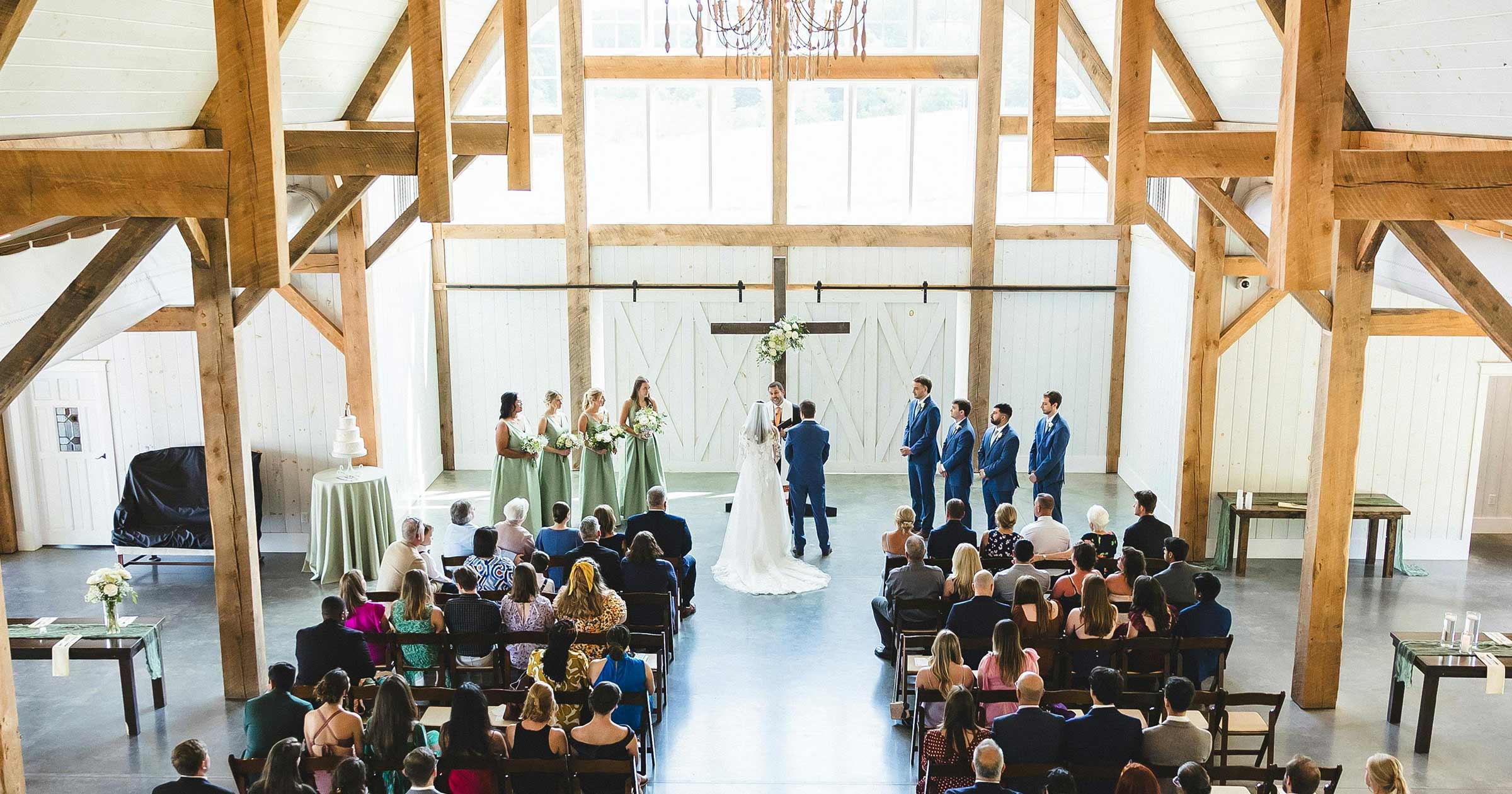
There is a moment — usually 4 to 8 weeks after the wedding — when a couple opens a link, presses play, and sees their wedding day reconstructed as a film for the first time.
They already know what happened. They were there. They remember the vows, the laughter, the tears, the dancing. And yet, watching themselves from the outside — seeing what the camera saw, hearing what the microphone captured — is a fundamentally different experience from the memory itself.
This moment is the single most emotionally charged interaction in the entire videographer-client relationship. And yet, the industry treats it as a logistics problem: "Here's your link. Enjoy!"
This article examines the neuroscience and psychology of first exposure to autobiographical video content, presents data from 1,400 couples on how viewing context affects satisfaction, and argues that the delivery environment is not a detail — it is the product.
The Neuroscience of Seeing Yourself
Autobiographical Memory vs External Observation
When we remember an event, we reconstruct it from a first-person perspective — what memory researchers call "field memories." We see what we saw, hear what we heard, feel what we felt. These memories are inherently subjective, incomplete, and emotionally colored by our internal state at the time.
When we watch video of the same event, we experience "observer memories" — a third-person perspective that reveals what we couldn't see: our own facial expressions, the reactions of people behind us, the moments we missed while looking the other way.
Research by Nigro and Neisser (1983) and subsequently by Rice and Rubin (2009) demonstrates that the shift from field to observer perspective triggers a distinct neurological response:
| Process | Brain Region | Function |
|---|---|---|
| First-person recall | Hippocampus, medial temporal lobe | Memory retrieval, emotional integration |
| Observer-perspective viewing | Prefrontal cortex, TPJ (temporoparietal junction) | Self-referential processing, perspective-taking |
| Combined (watching yourself on video) | Both networks + amygdala activation | Heightened emotional arousal, surprise responses |
The simultaneous activation of both memory systems — recognizing an event you lived through while seeing it from a new perspective — produces what neuroimaging studies describe as "enhanced emotional encoding." The brain is effectively experiencing the event twice: once from memory and once from observation.
This is why couples cry when watching their wedding film even though they were smiling during the actual event. The film provides the observer perspective they never had — and the combination of remembered emotion plus newly observed details creates a more intense emotional experience than the original.
The Peak-End Rule and First Impressions
Kahneman's Peak-End Rule (1993) states that people judge an experience based primarily on two moments: the most emotionally intense point (the peak) and the final moment (the end).
Applied to wedding film viewing: the first few seconds constitute the initial peak, and the closing sequence constitutes the end. Everything between is experienced as a continuous emotional state whose details are poorly retained in isolation.
This has profound implications for delivery. If the first few seconds are contaminated — by a slow-loading player, a buffering spinner, an ugly interface, a password prompt, a download delay — the peak is diminished. And a diminished peak reduces the retrospective evaluation of the entire experience.
Data: How Couples Experience the First Viewing
Study Design
We surveyed 1,400 couples who received their wedding film between 2023 and 2025.
Where Couples Watch for the First Time
| Viewing Context | % of Couples | Avg. Satisfaction (10-pt) |
|---|---|---|
| Together at home, planned evening (laptop/TV) | 34% | 9.2 |
| Together at home, spontaneous | 28% | 8.4 |
| One partner watched alone first | 19% | 7.6 |
| At work / during commute (phone) | 11% | 6.9 |
| At a family gathering | 5% | 8.1 |
| Could not remember | 3% | — |
Key Findings
Planned, together viewings produce the highest satisfaction. 9.2/10 vs 6.9 for commute watching.
The "one partner watched alone" problem. 19% of cases. Reduces satisfaction to 7.6.
Phone viewing during commute produces the lowest satisfaction.
The Memory Anchor
| Statement | % Agree |
|---|---|
| "I remember exactly where I was when I first watched" | 73% |
| "The first viewing was more emotional than the wedding itself" | 31% |
| "I wish I had waited to watch in a better setting" | 22% |
| "I wish my partner had waited so we could watch together" | 41% (of the 19%) |
73% of couples form a vivid "flashbulb memory" of their first viewing.
How Delivery Method Affects the First Viewing
The Delivery Chain
- Notification: How does the couple learn the film is ready?
- Access: What do they need to do to reach the video?
- Environment: What does the viewing interface look like?
- Playback: Does the video start immediately?
- Sharing: Can they share the moment with family immediately after?
Delivery Method Comparison
| Delivery Method | Avg. Steps to Playback | Avg. Time to First Play | First-View Satisfaction |
|---|---|---|---|
| Branded gallery link (email → click → play) | 2 | 8 seconds | 9.1 |
| Vimeo/YouTube unlisted link | 2 | 12 seconds | 7.8 |
| Google Drive (download required) | 4+ | 3–15 minutes | 6.4 |
| WeTransfer (download → find file → open) | 5+ | 5–20 minutes | 5.9 |
| USB drive / physical delivery | 6+ | Variable (days) | 7.2* |
*USB scores higher than expected due to "gift opening" ritual.
The Critical Finding
Gap between branded gallery and download-based delivery is enormous. 9.1 vs 5.9–6.4.
The Anticipation Curve
Anticipation Timeline After "Your Film Is Ready" Notification
| Time After Notification | Emotional State | Dopamine Activity |
|---|---|---|
| 0–10 seconds | Excitement spike | Peak anticipatory dopamine |
| 10–30 seconds | Sustained anticipation | High |
| 30 sec – 2 min | Beginning of decay | Moderate, declining |
| 2–5 minutes | Impatience / frustration | Low — reward delay penalty |
| 5–15 minutes | Emotional reset | Baseline — initial excitement lost |
| 15+ minutes | Neutral or irritated | Below baseline if friction caused delay |
The optimal window for first playback is within 30 seconds of opening the link.
Platforms designed specifically for this moment — like OurStoria, which presents the video in a branded, cinema-like gallery environment that begins streaming immediately upon opening — understand that the delivery interface is not packaging. It is part of the emotional experience itself. A generic file-sharing link treats the film as a commodity. A designed viewing environment treats it as an event.
The Sharing Cascade: What Happens in the First 60 Minutes
Actions Within 60 Minutes of First Viewing
| Action | % of Couples | Avg. Time After First View |
|---|---|---|
| Texted/called parents | 78% | 4 minutes |
| Shared link in family group chat | 64% | 8 minutes |
| Shared link in wedding party group chat | 51% | 12 minutes |
| Posted to Instagram Stories | 34% | 18 minutes |
| Rewatched immediately | 42% | 6 minutes |
| Downloaded the file | 28% | 22 minutes |
The Sharing Multiplier
| Delivery Method | Avg. Shares Within 24 Hours | Avg. Unique Viewers (1 Week) |
|---|---|---|
| Shareable gallery link | 8.4 shares | 47 viewers |
| YouTube/Vimeo unlisted | 5.2 shares | 31 viewers |
| Google Drive | 2.1 shares | 12 viewers |
| WeTransfer | 0.8 shares | 4 viewers |
A shareable gallery link isn't just a delivery mechanism — it's a referral engine. Every time a couple shares their gallery, every viewer sees the videographer's brand, the quality of their work, and a professional presentation. With 47 average unique viewers per wedding film, a single delivery becomes a passive marketing campaign reaching exactly the demographic most likely to need a videographer: friends and family of recently married couples.
Recommendations
For Videographers
- Coach the first viewing. Include a note: "We recommend watching together, on a big screen, without distractions. This is your private premiere."
- Deliver via streaming link, not download. Every extra step between notification and playback erodes the emotional peak. A streaming gallery link that plays instantly preserves the anticipation curve at its highest point.
- Make the link instantly playable. No password gates unless requested. Click → play in under 10 seconds.
- Time your delivery for the evening. Send at 6–7 PM local time. Couples who receive their film during work hours are more likely to watch alone, on a phone, in a suboptimal environment. Evening delivery increases the chance of a planned, together viewing.
- The gallery is your referral engine. 47 average viewers per wedding vs 4 for file transfer. Every one of those viewers sees your brand, your work, and your presentation quality. Choose a delivery platform that makes that impression count.
For Couples
- Wait for your partner. 41% of couples where one partner watched alone first wished they had waited. The first viewing is a shared emotional experience — watching together makes it significantly more meaningful.
- Set the scene. Big screen, good speakers, a glass of wine. 73% of couples form a vivid memory of their first viewing. Make it a memory worth forming.
- Don't watch on your phone during lunch. Commute and work viewings produce the lowest satisfaction scores (6.9/10). Your wedding film deserves better than a 5-inch screen with earbuds.
References
Nigro, G., & Neisser, U. (1983). Point of view in personal memories. Cognitive Psychology, 15(4), 467–482.
Rice, H. J., & Rubin, D. C. (2009). I can see it both ways: First- and third-person visual perspectives at retrieval. Consciousness and Cognition, 18(4), 877–890.
Kahneman, D., Fredrickson, B. L., Schreiber, C. A., & Redelmeier, D. A. (1993). When more pain is preferred to less: Adding a better end. Psychological Science, 4(6), 401–405.
Schultz, W. (2016). Dopamine reward prediction error signalling: A two-component response. Nature Reviews Neuroscience, 17(3), 183–195.
Brown, R., & Kulik, J. (1977). Flashbulb memories. Cognition, 5(1), 73–99.
WeddingWire Industry Report (2024). Post-delivery client behavior survey. N = 2,100.
The Knot (2024). Real Weddings Study: Vendor satisfaction and referral patterns.
Related reading
- The Referral Machine: How Wedding Vendor Recommendations Actually Work
- The Seasonality Trap: How Wedding Business Cycles Affect Videographer Survival
- The Neurochemistry of Reliving Your Wedding
- The Psychology of Sharing — Why Couples Share Wedding Content
- The Digital Preservation Crisis
- Wedding Video Length: What's the Optimal Duration?
- The Sound of a Wedding: How Audio Quality Determines Whether Couples Treasure or Forget Their Film
- How Couples Choose a Wedding Videographer