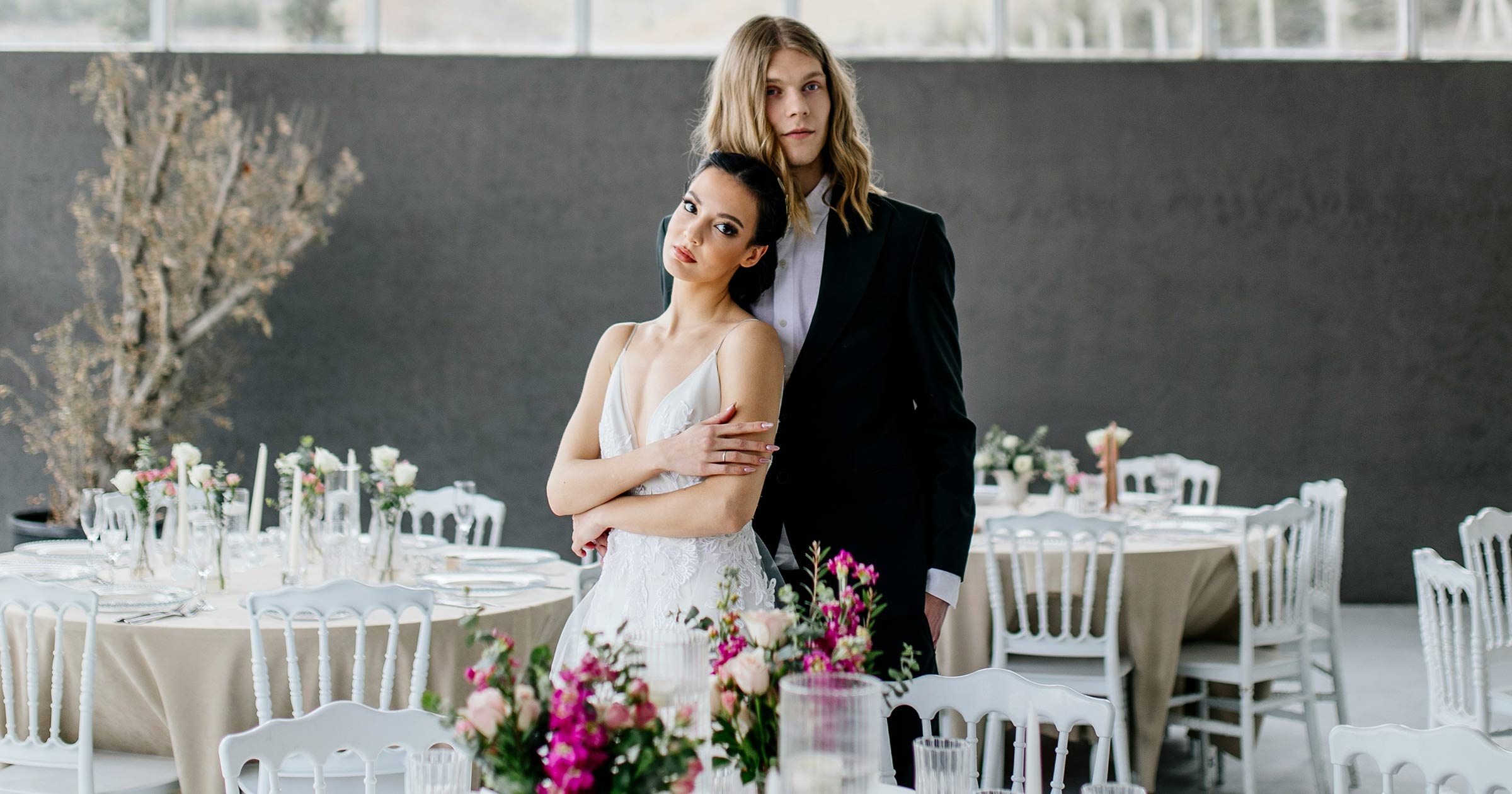
LinkedIn is the most underused platform in the wedding industry. While nearly every videographer pours hours into Instagram reels and TikTok trends, LinkedIn quietly connects you with the people who actually book you — wedding planners, venue coordinators, corporate event managers, and fellow vendors looking for reliable collaborators. If you've been ignoring LinkedIn because it feels "too corporate," you're leaving thousands of dollars in referrals and partnerships on the table.
The truth is, your next $8,000 wedding package or $12,000 corporate gig is far more likely to come from a planner's recommendation than from a stranger who stumbled across your Instagram reel. LinkedIn is where those professional relationships are built, nurtured, and monetized. This guide will show you exactly how to leverage the platform — from profile optimization to content strategy to direct outreach — so you can turn LinkedIn into a consistent source of high-value bookings.
Why LinkedIn Works for Videographers
Most wedding videographers think of LinkedIn as a platform for accountants and software engineers. But the wedding industry is fundamentally a B2B ecosystem. You don't sell directly to couples in most cases — you get referred by planners, recommended by venues, and discovered through vendor networks. LinkedIn is built for exactly this kind of professional relationship building.
B2B Networking and Planner Referrals
Wedding planners are your highest-value connections. A single planner who trusts your work can send you 5-15 weddings per year without you spending a dollar on advertising. On LinkedIn, planners actively seek vendors they can recommend to their clients. When you show up consistently with professional content, you become top-of-mind when they need a videographer for their next event.
Venue coordinators operate similarly. Many venues maintain preferred vendor lists, and coordinators often scout LinkedIn for professionals who present themselves well and demonstrate reliability. A strong LinkedIn presence signals that you're established, professional, and easy to work with — exactly what venues want on their recommended lists.
Perceived Professionalism
There's an inherent credibility boost that comes with an active LinkedIn presence. When a planner considers referring you to a high-budget couple, they'll often look you up. Finding a polished LinkedIn profile with recommendations, thought-leadership posts, and professional connections reassures them that you'll represent their brand well. It's the digital equivalent of showing up to a consultation in a pressed shirt rather than a wrinkled t-shirt.
Content Longevity
One of LinkedIn's most underappreciated advantages is how long content lives on the platform. An Instagram story disappears in 24 hours. A feed post might get engagement for a day or two before the algorithm buries it. On LinkedIn, a well-performing post can generate comments, shares, and profile visits for an entire week — sometimes longer. For videographers who can only dedicate a few hours per week to marketing, this extended visibility per post makes LinkedIn dramatically more efficient than other platforms.
Corporate Crossover Opportunities
Here's something most wedding videographers overlook entirely: LinkedIn is where corporate clients live. If you have skills in cinematic storytelling (and you do — that's what wedding films are), corporate event videography is a natural extension. Companies need brand films, conference coverage, product launches, and internal communications videos. These projects often pay $5,000-$15,000 per day, and the clients find their vendors primarily through LinkedIn. More on this in a dedicated section below.
Optimizing Your LinkedIn Profile
Your LinkedIn profile is your landing page for professional connections. Every element should be intentional, communicating both your creative skill and your business reliability. Here's a section-by-section breakdown.
Headline
Your headline is the first thing people see in search results, connection requests, and comment sections. Don't waste it on just "Wedding Videographer." Instead, use the formula: Role | Style/Differentiator | Location.
- Weak: "Wedding Videographer"
- Better: "Wedding Videographer | Cinematic Films | Serving Austin & Central Texas"
- Best: "Cinematic Wedding Filmmaker | Documentary & Editorial Style | Austin TX | Available for Destination"
Include keywords that planners and venues might search for. Think about what someone would type into LinkedIn's search bar when looking for a videographer in your area. Your headline should match those queries naturally.
Banner Image
Your banner is prime real estate — 1584×396 pixels of visual storytelling. Use a cinematic still from your absolute best wedding film. Choose a frame that immediately communicates your style: moody and editorial, bright and romantic, or documentary and candid. Avoid text-heavy banners or generic stock imagery. Let your work speak.
Update your banner seasonally or whenever you capture something exceptional. This keeps your profile feeling fresh to repeat visitors and signals that you're actively working.
About Section
Your About section should read like a conversation, not a services brochure. Tell your story in three paragraphs maximum:
- Paragraph 1: Who you are and what drives your work. What made you fall in love with wedding filmmaking?
- Paragraph 2: Your approach and what makes working with you different. Focus on the experience you create, not just the deliverables.
- Paragraph 3: A soft call to action. Mention you're open to collaborations with planners and venues, and include how to reach you.
Write in first person. Be genuine. Planners and venues are looking for someone they'd enjoy working alongside for 12+ hours on a wedding day. Let your personality come through.
Featured Section
LinkedIn's Featured section lets you pin content at the top of your profile. Use it strategically:
- Pin 3-4 of your best wedding film links (YouTube, Vimeo, or your portfolio gallery)
- Include one behind-the-scenes post that performed well
- Add a link to your booking page or website
- Consider featuring a testimonial post from a planner collaboration
This section is what planners look at when deciding whether to reach out. Curate it as carefully as you'd curate your portfolio reel.
Experience Section
Treat your Experience section like a filmography. Each year, brand, or business phase should be listed as a separate position. Under each, include:
- Number of weddings filmed that year
- Notable venues or publications featured in
- Key achievements (awards, style development, team growth)
- Links to representative work from that period
This approach shows progression and longevity — two things that make planners and venues confident in referring you. A videographer with five years of documented experience is a safer referral than someone with a blank Experience section.
Recommendations
Recommendations are LinkedIn's version of testimonials, and they carry enormous weight because they're attached to real profiles. Aim for a mix:
- 3-5 past couples: Focus on the experience of working with you, not just the final film quality
- 2-3 vendor partners: Planners, photographers, or venue coordinators who can speak to your professionalism and collaborative nature
Send personalized recommendation requests. Don't use LinkedIn's generic template. Instead, write something like: "I loved working together at [venue]. Would you be willing to write a brief recommendation about our collaboration? Happy to reciprocate!" Most people will say yes — especially if you offer to write one for them in return.
Content Strategy for LinkedIn
Showing up on LinkedIn doesn't require daily posting or viral ambitions. A consistent cadence of 2-3 posts per week, focused on specific content pillars, will position you as a go-to professional in your market within 3-6 months.
Behind-the-Scenes from Weddings (1x/week)
Share a photo or short clip from a recent wedding day with context about what made it special. This could be a challenging lighting situation you navigated, a creative angle you tried, or a genuine moment you captured. Tag the venue and any vendors you worked with — this puts your content in front of their networks.
Keep captions professional but personal. Something like: "Golden hour at [Venue Name] last Saturday. The coordinator @[Name] timed the ceremony exit perfectly — this is what great vendor collaboration looks like." This type of post builds relationships while showcasing your work.
Business Insights and Lessons Learned (1x/week)
Share what you've learned about running a videography business. Topics that resonate:
- How you handle timeline changes on wedding days
- What you've learned about client communication
- Business milestones and what they taught you
- Pricing evolution and the reasoning behind it
- Workflow improvements that saved time or improved quality
These posts position you as a thoughtful business owner, not just a creative. Planners want to refer someone who runs a business, not someone who might flake, miss a deadline, or create a poor client experience. For more on building sustainable business practices, see our complete wedding video guide.
Vendor Shoutouts and Collaborations
Regularly spotlight vendors you've worked with. Share a clip or still from a wedding and call out the planner, florist, photographer, or venue that made it special. Be specific about what they did well. This isn't empty flattery — it's relationship building through public appreciation. The tagged vendors will often reshare your post, comment, or reciprocate with a shoutout of their own.
Equipment and Technique Tips
Share occasional posts about your gear or techniques. These perform well because they attract other videographers (building your peer network) while demonstrating expertise to non-videographer connections. Keep them accessible — explain the "why" behind your choices, not just the specs.
Client Testimonials (With Permission)
When a couple sends you a glowing message about their film, ask if you can share it on LinkedIn. Screenshot testimonials, paired with a frame from their wedding, make powerful social proof. Always get explicit permission before posting, and tag the couple if they're on LinkedIn.
Seasonal Booking Updates
Post quarterly or seasonal updates about your availability. "Just booked my 15th wedding for fall 2026 — I have 3 Saturday dates remaining" creates urgency and signals demand. Planners notice this. A videographer who appears consistently booked is a safer recommendation than one who seems hungry for work.
Networking with Planners and Venues
Content gets you visibility, but direct networking builds relationships. Here's how to approach LinkedIn outreach without feeling sleazy or desperate.
How to Connect
Never send a blank connection request. Always include a personalized note. Keep it short, genuine, and focused on them — not you:
- "Hi [Name], I saw your team's work at [Venue/Wedding] — the design was stunning. I'm a wedding videographer in [City] and would love to connect with fellow creatives in the area."
- "Hey [Name], I noticed we've both worked at [Venue]. I'd love to connect — I'm always looking to build relationships with great planners in [Region]."
Keep it warm and low-pressure. You're not pitching — you're introducing yourself.
Comment on Their Posts First
Before sending a connection request, engage with their content for 1-2 weeks. Leave thoughtful comments on their posts — not just "Great work!" but something specific: "The color palette on this one is incredible — I love how the peach tones carried through from ceremony to reception." This puts your name in front of them organically, so when your connection request arrives, they already recognize you.
Offer Value Before Asking for Anything
The biggest mistake videographers make on LinkedIn is asking for referrals too soon. Instead, lead with value:
- Offer to send a highlight clip of a wedding you filmed at their venue (at no cost)
- Share their content with your audience
- Refer them to couples who ask you for planner recommendations
- Offer a styled shoot collaboration during the off-season
When you consistently give before asking, referrals follow naturally. A CRM system can help you track these relationships and follow up at the right intervals without letting connections go cold.
LinkedIn for Corporate and Event Videography
Wedding videographers are uniquely qualified for corporate work — you already know how to capture live events under pressure, work in challenging lighting, tell stories with tight deadlines, and deliver polished films. LinkedIn is where corporate clients find their video partners.
The Off-Season Opportunity
Most wedding videographers experience a significant slowdown from November through March. Corporate events, however, run year-round — conferences in January, product launches in February, annual meetings in March. A single corporate event can pay $5,000-$15,000 for 1-2 days of work, effectively replacing 2-3 wedding bookings during months when weddings are scarce.
Positioning Yourself for Corporate Work
You don't need a separate brand or profile. Instead:
- Include "Event Videography" or "Brand Films" in your headline alongside wedding work
- Post occasional content about corporate projects (even pro-bono work counts)
- Connect with marketing managers, event coordinators, and corporate communications professionals in your city
- Join LinkedIn groups related to event planning and corporate communications
Your wedding portfolio translates directly — the emotional storytelling, cinematic grading, and professional delivery that impress couples are exactly what corporations want for their brand.
Pricing Corporate Work
Don't undervalue your corporate services. Wedding videography skills are rare in the corporate market. While a "corporate video guy" might charge $2,000 for a flat, interview-style recap, a wedding videographer brings cinematic quality that corporations are increasingly willing to pay premium rates for. Start at $3,000-$5,000 for a single-day event and scale up based on deliverables and complexity. For guidance on structuring your overall pricing, check our pricing page.
The Science of Professional Networking
The power of LinkedIn for videographers isn't just anecdotal — it's backed by research on how professional opportunities flow through networks. According to data from LinkedIn's Economic Graph combined with Bureau of Labor Statistics research, approximately 85% of jobs and contracts are filled through networking rather than cold applications or advertising. In the wedding industry specifically, The Knot's Real Weddings Study consistently finds that vendor referrals account for 40-60% of bookings. When a planner recommends you to a couple, the close rate is dramatically higher than when a couple finds you through a Google search or Instagram hashtag. LinkedIn is purpose-built for cultivating exactly these referral relationships at scale.
Content longevity further strengthens LinkedIn's case for time-strapped videographers. According to TrackMaven's social media analytics research (2023), LinkedIn posts maintain an average content lifespan of 24 hours to 7 days, compared to Instagram's 24-48 hours and Twitter/X's approximately 18 minutes. For a videographer posting once or twice per week — which is realistic alongside actual production work — LinkedIn delivers significantly more visibility per post than any other platform. Each piece of content works harder and longer, making your limited marketing hours far more productive than the same effort spent on platforms designed for disposable content.
Linking LinkedIn to Your Delivery Experience
Your LinkedIn profile isn't just for attracting new connections — it's also a place to showcase how you deliver work to clients. The delivery experience is increasingly a differentiator in the wedding videography market, and LinkedIn is the perfect place to demonstrate yours.
Share Your Gallery Links
When you deliver a wedding film through a branded, professional gallery, share that link in your Featured section. A custom-branded delivery experience communicates professionalism in a way that a Google Drive folder or WeTransfer link simply cannot. When planners or venues visit your profile and see a polished gallery experience, it reinforces that you run a premium operation from start to finish.
Post About Your Delivery Process
Create content around how you deliver films to clients. Topics like turnaround timelines, the experience of receiving a gallery link, or how you handle revisions make excellent LinkedIn posts. They demonstrate operational excellence — something planners care deeply about when choosing who to refer.
Consider posting a screenshot or walkthrough of your delivery platform. When a planner sees that their referred couples will receive films through a beautiful, branded experience rather than a basic file-sharing link, it makes them more confident in recommending you. Explore how a dedicated videographer website paired with professional delivery creates a cohesive brand impression.
Use LinkedIn as a Portfolio Extension
Your LinkedIn Featured section can serve as a secondary portfolio. Pin your best gallery links alongside your website and contact information. This creates multiple touchpoints for planners who discover you through a comment, post, or mutual connection. Every link should reinforce your professional brand and make it effortless for someone to see your work and reach out.
Building a Referral Network Through LinkedIn
The ultimate goal of LinkedIn for wedding videographers isn't vanity metrics — it's building a sustainable referral network that generates consistent bookings without constant marketing effort. For a deeper dive into vendor referral strategy, read our analysis on building a wedding vendor referral network.
The Compounding Effect
LinkedIn networking compounds over time. In your first month, you might connect with 20-30 local planners and venues. By month six, you've engaged consistently enough that several know your name and work. By year one, you're receiving inbound messages from planners asking about your availability — without ever having to cold-pitch yourself.
This compounding effect is what makes LinkedIn fundamentally different from advertising. Ads stop working the moment you stop paying. A LinkedIn network continues to generate referrals indefinitely, growing stronger with each successful collaboration.
Tracking Your LinkedIn ROI
Keep track of which bookings originate from LinkedIn connections. You might be surprised. Many videographers who implement this strategy find that within 12 months, LinkedIn-sourced referrals represent 20-40% of their bookings — often at higher average values than leads from other channels, because referred clients come with built-in trust and are less price-sensitive.
Getting Started: Your First 30 Days
If you're starting from zero or reviving a dormant LinkedIn profile, here's a practical 30-day plan:
- Days 1-3: Optimize your profile completely — headline, banner, about, featured, experience
- Days 4-7: Connect with 20-30 local planners, venues, and photographers (with personalized notes)
- Days 8-14: Comment thoughtfully on 3-5 posts per day from your new connections
- Days 15-21: Publish your first 3 posts (one BTS, one business insight, one vendor shoutout)
- Days 22-30: Continue posting 2-3x/week, engage daily, and send 5-10 new connection requests per week
By the end of your first month, you'll have an optimized profile, a growing network of relevant connections, and a content rhythm that feels sustainable. The referrals won't come overnight — but they will come, and when they do, they'll be worth far more per booking than any Instagram follower ever was.
Conclusion
LinkedIn isn't glamorous. It won't give you the dopamine hit of a viral Instagram reel or thousands of TikTok views. But it will connect you with the professionals who control the flow of high-value bookings in the wedding industry. Planners, venues, coordinators, and corporate clients — they're all on LinkedIn, and they're all looking for reliable, professional videographers to partner with.
Start today. Optimize your profile, connect with intention, post with consistency, and watch as your network becomes your most valuable marketing asset. Combined with a professional delivery experience and a strong portfolio, your LinkedIn presence will position you as the obvious choice when someone asks, "Do you know a great wedding videographer?"
For more on building your videography business, explore our complete wedding video guide or learn how a CRM built for videographers can help you manage the relationships you build on LinkedIn.