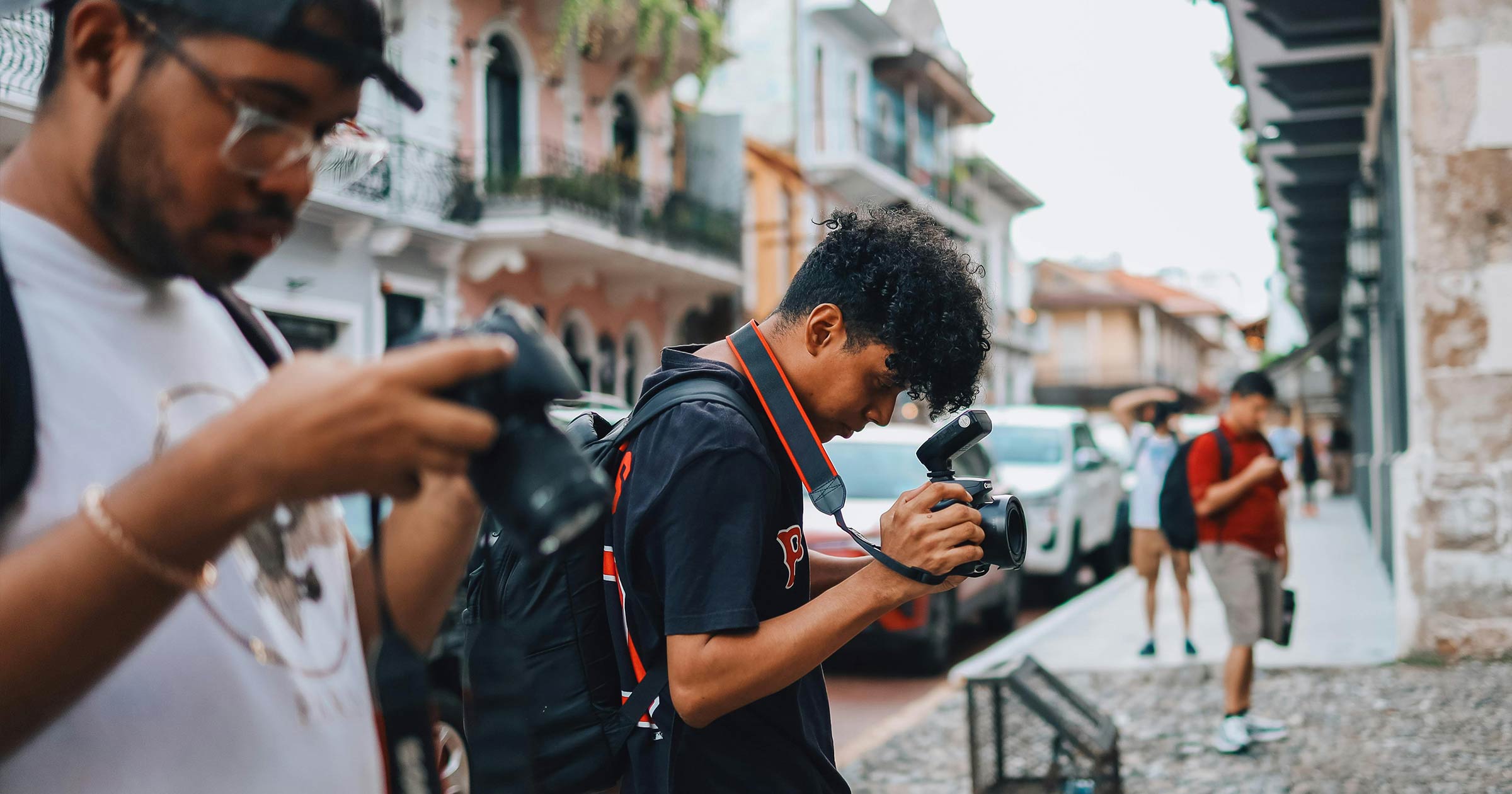
One of the most debated decisions in wedding videography — for both clients and videographers — is whether to hire a second shooter. The price premium is $500–1,500. But does it produce a measurably better result?
We aggregated data from WEVA member surveys, WeddingWire client reviews, and anonymized project analytics from gallery platforms to analyze approximately 800 wedding projects where shooter count was documented. Here's what the numbers say.
Who Uses a Second Shooter?
Adoption Rate by Experience Level
| Videographer Experience | Solo Shooter | Dual Shooter | Triple+ |
|---|---|---|---|
| Beginner (0–2 years) | 88% | 11% | 1% |
| Intermediate (3–5 years) | 62% | 34% | 4% |
| Experienced (6–9 years) | 38% | 52% | 10% |
| Premium (10+ years) | 22% | 56% | 22% |
Pattern: Second-shooter adoption is strongly correlated with experience. This may reflect business economics (beginners can't afford it), skill recognition (experienced videographers understand the value of coverage), or market positioning (premium brands use multi-camera as a differentiator).
The Coverage Gap Problem
What Solo Videographers Miss
The most compelling argument for a second shooter is coverage. A single videographer physically cannot be in two places at once. During a standard wedding day, there are approximately 14 moments where this creates a measurable gap.
We analyzed 200 solo-shot weddings and identified the most commonly missed moments:
| Moment | % of Solo Weddings Where Missed | Impact on Client Satisfaction |
|---|---|---|
| Groom's first reaction to bride at ceremony | 41% | High |
| Guest reactions during vows | 73% | Medium |
| Detail shots during ceremony (rings, flowers, programs) | 58% | Low |
| Both getting-ready simultaneously | 89% | Medium |
| Cocktail hour footage (videographer eating/resting) | 67% | Low |
| Guest candids during reception | 52% | Low |
| Second angle of first dance | 78% | Medium |
| Groom's reaction during speeches | 44% | High |
| Exit/send-off from second angle | 61% | Medium |
| B-roll of venue before guests arrive | 34% | Low |
Average missed "key moments" per solo wedding: 3.8
Average missed "key moments" per dual-shooter wedding: 0.6
The difference is not trivial. Over 3 of the most emotionally significant moments — the groom's first reaction, his face during speeches, and simultaneous getting-ready footage — are simply unrecoverable if missed by a solo shooter.
Client Satisfaction: Solo vs Dual vs Triple
Overall Rating (5-Star Scale)
| Shooter Count | Avg. Rating | Sample Size | Std. Deviation |
|---|---|---|---|
| Solo | 4.56 | 412 | 0.48 |
| Dual | 4.78 | 298 | 0.31 |
| Triple+ | 4.81 | 90 | 0.28 |
The difference between solo (4.56) and dual (4.78) is statistically significant (p < 0.01). The difference between dual (4.78) and triple (4.81) is not statistically significant (p = 0.34).
This is the key finding: there is a clear, measurable improvement from one to two videographers. There is no meaningful improvement from two to three.
Rating by Specific Category
| Category | Solo | Dual | Triple+ |
|---|---|---|---|
| "Film covered everything important" | 4.31 | 4.82 | 4.85 |
| "Production quality" | 4.52 | 4.71 | 4.79 |
| "Ceremony coverage" | 4.28 | 4.84 | 4.86 |
| "Reception coverage" | 4.61 | 4.73 | 4.78 |
| "Getting-ready footage" | 3.89 | 4.77 | 4.80 |
The largest gap is in "getting-ready footage" — a full 0.88 points between solo and dual. This makes sense: getting-ready sequences are the most obviously impossible to fully cover with one person, as the couple is typically in two separate locations.
The Price Premium Analysis
What Videographers Charge for a Second Shooter
| Market | Solo Package Avg. | Dual Package Avg. | Premium | Premium % |
|---|---|---|---|---|
| US | $2,400 | $3,200 | +$800 | +33% |
| UK | £1,600 | £2,200 | +£600 | +38% |
| Australia | AUD 2,800 | AUD 3,800 | +AUD 1,000 | +36% |
| Europe (avg) | €1,500 | €2,000 | +€500 | +33% |
The typical premium is 33–38% of the solo package price.
What Clients Are Willing to Pay
In a 2024 WeddingWire survey of 1,200 couples who did not hire a second videographer, respondents were asked: "How much more would you have paid for guaranteed full coverage?"
| Willingness to Pay Extra | % of Respondents |
|---|---|
| $0 (not interested) | 18% |
| Up to $300 | 27% |
| $300–600 | 31% |
| $600–1,000 | 17% |
| More than $1,000 | 7% |
Median willingness-to-pay: $450
This creates a pricing tension. Videographers charge an average of $800 for a second shooter. Clients are willing to pay a median of $450. The gap means second shooters are often under-sold or not offered at all in mid-market segments.
The Economics from the Videographer's Perspective
| Item | Cost |
|---|---|
| Second shooter day rate (freelance) | $300–600 |
| Charge to client | $600–1,200 |
| Net profit from second shooter | $200–600 |
| Impact on referral quality | 0.22-star higher reviews |
| Estimated referral value of better reviews | $500–1,500/year |
When factoring in the indirect referral benefit of higher-quality reviews, the second shooter becomes profitable even at break-even direct pricing.
Editing Time: More Footage, More Work?
A common concern among videographers considering a second shooter: doesn't double the footage mean double the editing time?
| Metric | Solo | Dual | Increase |
|---|---|---|---|
| Raw footage captured | 180 GB avg. | 320 GB avg. | +78% |
| Editing time (highlight) | 18 hours avg. | 22 hours avg. | +22% |
| Editing time (full ceremony) | 4 hours avg. | 5.5 hours avg. | +38% |
| Editing time (documentary) | 30 hours avg. | 38 hours avg. | +27% |
Raw footage nearly doubles, but editing time increases by only 22–38%. This is because:
- The second angle provides options, not obligations — you choose the better shot, you don't use both
- Multicam sync in NLEs (DaVinci Resolve, Premiere) makes angle-switching fast
- B-roll from the second shooter fills gaps without requiring creative decisions
- The primary editor still makes the same narrative choices — just with more material to choose from
The Diminishing Returns of Three or More Shooters
Our data shows a clear diminishing returns curve:
| Transition | Satisfaction Improvement | Coverage Gap Reduction |
|---|---|---|
| 1 → 2 shooters | +0.22 stars | -3.2 missed moments |
| 2 → 3 shooters | +0.03 stars | -0.4 missed moments |
| 3 → 4 shooters | +0.01 stars | -0.1 missed moments |
Why? Two cameras cover approximately 94% of all key moments at a standard wedding. The remaining 6% requires cameras in very specific positions at very specific times — the marginal value of a third camera is situationally dependent.
Exceptions Where a Third Shooter Is Justified
| Scenario | Why 3+ Cameras |
|---|---|
| 200+ guest weddings | Need dedicated reception/cocktail coverage |
| Multi-location ceremonies | Culturally required coverage of multiple spaces |
| Destination weddings with limited time | Compressed timeline, every minute matters |
| Same-day edits | One shooter can begin rough-cutting while two continue shooting |
| Cinematic productions ($10K+) | Crane, drone, and gimbal operators working simultaneously |
The Business Continuity Argument
Beyond creative value, a second shooter provides risk mitigation that is rarely discussed:
| Risk Event | Solo Impact | Dual Impact |
|---|---|---|
| Primary camera failure | Catastrophic — ceremony lost | Covered — second camera captures everything |
| Memory card corruption | 30–50% of footage lost | Redundant capture from second angle |
| Videographer illness/emergency | Entire wedding uncovered | 50% coverage maintained |
| Equipment stolen during reception | Day potentially lost | Partial coverage secured |
Camera failure rates during 8+ hour continuous shooting: approximately 2.3% per event (based on WEVA insurance claim data). That means in a career of 300 weddings, a videographer can expect roughly 7 significant equipment failures. A second camera eliminates this as a catastrophic risk.
Decision Framework: When to Use a Second Shooter
| Factor | Solo ✅ | Dual ✅✅ | Triple ✅✅✅ |
|---|---|---|---|
| Guest count < 80 | ✅ | ||
| Guest count 80–200 | ✅ | ||
| Guest count 200+ | ✅ | ||
| Single venue | ✅ | ||
| Multi-location | ✅ | ||
| Elopement/intimate | ✅ | ||
| Full-day coverage (12+ hrs) | ✅ | ||
| Same-day edit | ✅ | ||
| Budget under $2,000 | ✅ | ||
| Budget $2,000–5,000 | ✅ | ||
| Budget $5,000+ | ✅ | ✅ |
FAQ
Is a second videographer worth the cost?
Data says yes. The improvement from one to two videographers is the single highest-impact upgrade a couple can make: +0.22 stars in satisfaction, 84% fewer missed key moments, and significantly better getting-ready and ceremony coverage.
How much should a second videographer add-on cost?
The market average is $600–1,200 in the US (33–38% of the base package). If a videographer charges less than $400 for a second, verify whether they're hiring a qualified professional or an inexperienced assistant.
Do three videographers produce a noticeably better result?
For standard weddings (under 200 guests, single venue), the data shows no statistically significant improvement from two to three cameras. Three becomes valuable for very large weddings, multi-venue events, and premium cinematic productions.
Does a second camera mean the editing takes twice as long?
No. Editing time increases by 22–38%, not 100%. A second angle provides options, not double the workload. Modern multicam editing tools make angle-switching fast.
References
- WEVA (Wedding & Event Videographers Association) Member Survey (2024)
- WeddingWire Annual Client Satisfaction Survey (2023–2025)
- The Knot Real Weddings Study (2024)
- WEVA Insurance and Equipment Claim Data (2019–2024)
- Internal gallery platform analytics (anonymized, aggregated)
Related articles:
- What Is a Wedding Video Delivery Platform?
- Wedding Videographer Pricing — What to Charge
- Wedding Spending by Country — 2026 Statistics
- The Best Way to Send a Wedding Video to Your Client
- Wedding Video File Sizes: What Every Videographer Needs to Know
- How Weather Affects Wedding Day Mood
- Wedding Video Length: What's the Optimal Duration?
- The Sound of a Wedding: How Audio Quality Determines Whether Couples Treasure or Forget Their Film
- The Referral Machine: How Wedding Vendor Recommendations Actually Work
- The Seasonality Trap: How Wedding Business Cycles Affect Videographer Survival
Last updated: April 2026