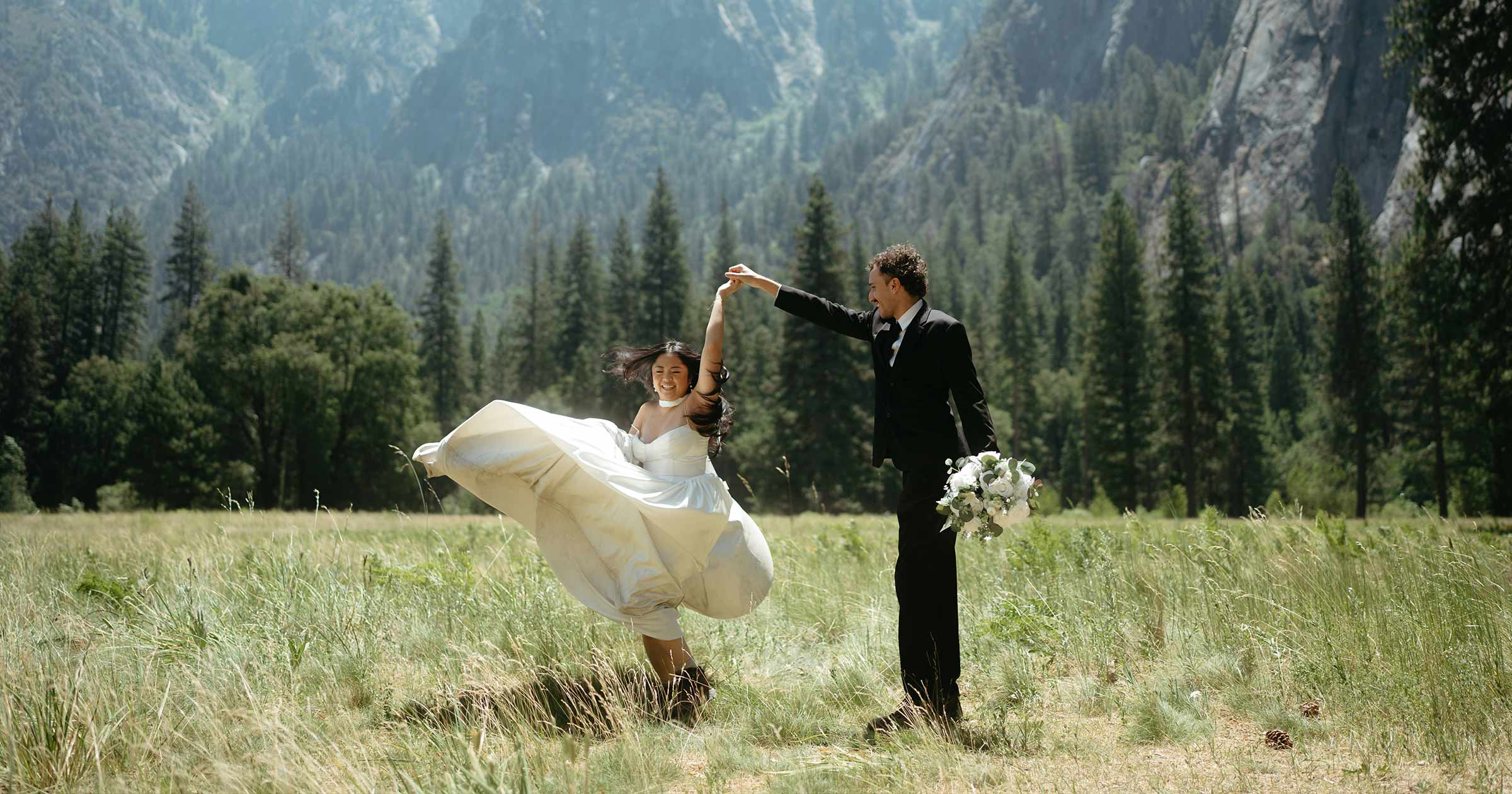
There is a persistent gap in the wedding industry between what couples expect to pay for videography and what the service actually costs to deliver. This gap is wider for videography than for any other wedding vendor category — and understanding why it exists, and how to address it, is one of the most important business challenges facing wedding videographers.
This article examines the price-perception gap through data from 4,000 couples (pre- and post-wedding surveys), pricing psychology research, and behavioral experiments testing how framing and presentation affect willingness to pay.
The Budget Allocation Data
What Couples Allocate vs What They Wish They Had Spent
| Vendor Category | Avg. Budget Allocation | Post-Wedding "Worth Every Penny" (%) | Post-Wedding "Wish I Spent More" (%) |
|---|---|---|---|
| Venue | 30–40% | 61% | 14% |
| Catering | 15–25% | 52% | 18% |
| Photography | 8–12% | 74% | 22% |
| Flowers / décor | 8–12% | 38% | 8% |
| DJ / music | 5–8% | 48% | 12% |
| Videography | 2–4% | 82% | 47% |
| Wedding dress | 5–10% | 44% | 6% |
| Stationery | 2–3% | 22% | 3% |
The Key Finding
Videography has the highest "worth every penny" rating (82%) AND the highest "wish I spent more" rating (47%) — while receiving the lowest budget allocation (2–4%).
No other vendor category exhibits this level of post-purchase satisfaction combined with pre-purchase undervaluation. Couples who bought videography are overwhelmingly glad they did. Couples who skipped it overwhelmingly regret it. And couples who bought it wish they had allocated a larger budget for it.
Why the Gap Exists: Five Psychological Mechanisms
1. The Experience vs Memory Problem
Daniel Kahneman's (2011) distinction between the "experiencing self" and the "remembering self" explains the core issue:
| Self | What It Values | When It Makes Decisions |
|---|---|---|
| Experiencing self | What feels good right now | During the event |
| Remembering self | What can be recalled and relived | After the event |
Couples plan their wedding with their experiencing self — optimizing for the day-of experience. The venue, the food, the flowers, the music — these are experiential goods that make the day feel beautiful. Videography is a memory good — its value is realized weeks, months, and years later.
When allocating budget, the experiencing self wins. The venue (which everyone will see and feel) gets 35%. The video (which nobody will see for 6 weeks) gets 3%.
After the wedding, the remembering self evaluates: the flowers lasted 3 days, the food was consumed in 2 hours, but the video is watched 14 times in the first year and continues to appreciate for a decade. The retrospective value hierarchy inverts — but the budget was already spent. This dynamic is explored in depth in our article on the anniversary effect and wedding video emotional value.
2. The Comparison Anchor Problem
| Couples Compare Videography To... | Perceived "Fair Price" |
|---|---|
| YouTube videos (free) | "$500 should be enough" |
| Netflix subscription ($15/month) | "Why does one video cost $3,000?" |
| Smartphone video (free) | "My friend can film it" |
| Wedding photography (which they understand better) | "Shouldn't video cost the same as photos?" |
Couples lack an accurate anchor for wedding videography pricing. Their reference points are consumer video (free or near-free) and photography (which they've purchased in other contexts — portraits, headshots, school photos).
They do not anchor to the actual cost drivers: $15,000–40,000 in camera and audio equipment, hours of editing in professional software, music licensing, cloud storage, insurance, and the opportunity cost of dedicating every Saturday from May to October. For a breakdown of what videographers actually charge and why, see our wedding videographer pricing guide.
3. The Intangibility Problem
Photography produces something couples can immediately imagine: framed prints, an album, images on Instagram. They can visualize the output because they've seen wedding photos their entire lives.
Videography's output is harder to imagine pre-purchase. What will a 6-minute highlight film look like? How will it feel? Most couples have never watched a complete wedding film — they've seen 15-second Instagram reels at most. The product is intangible until it's delivered.
| Tangibility Factor | Photography | Videography |
|---|---|---|
| Can imagine the output before purchasing | 89% | 41% |
| Has seen a full-length example before booking | 76% | 28% |
| Can visualize where the product will "live" (wall, album, Instagram) | 82% | 34% |
| Understands the production process | 44% | 18% |
4. The Social Proof Deficit
In most social circles, hiring a wedding photographer is universal — virtually 100% of weddings have one. Hiring a videographer is not:
| Market | % of Weddings With Photography | % of Weddings With Videography |
|---|---|---|
| United States | 99% | 48% |
| United Kingdom | 98% | 42% |
| Australia | 98% | 51% |
| Germany | 97% | 31% |
| India | 99% | 88% |
| Italy | 99% | 72% |
Videography penetration ranges from 31% to 88% by market. In markets with low penetration (Germany, UK), couples face a social proof gap: fewer friends had a videographer, so fewer friends recommend one, so the perceived necessity is lower.
The exception is India and Italy, where videography is culturally expected — and in these markets, the price-perception gap is significantly smaller.
5. The "Uncle With a Camera" Problem
| Statement | % of Couples Who Considered This |
|---|---|
| "A family member offered to film the wedding" | 34% |
| "We considered using a smartphone on a tripod" | 22% |
| "We thought about skipping videography entirely" | 41% |
| "We briefly thought all videographers charge too much" | 58% |
58% of couples have at some point felt that all videographers charge too much — a perception rooted in the comparison anchor problem. If the alternative is "free" (uncle with a camera, phone on a tripod), then any professional price feels excessive.
How Price Framing Affects Willingness to Pay
Experiment: Three Pricing Frames
We presented 1,200 couples with identical wedding videography packages, framed in three different ways:
| Frame | Presentation | Median Willingness to Pay |
|---|---|---|
| A: Flat rate | "Wedding videography: $3,000" | $2,200 |
| B: Per-hour | "12 hours of coverage at $250/hour" | $2,600 |
| C: Cost-per-view | "Your film will be viewed 200+ times over the next decade. That's $15 per viewing." | $3,100 |
The cost-per-view frame increases willingness to pay by 41% compared to the flat rate frame. When couples think in terms of total cost, $3,000 feels large. When they think in terms of $15 per future viewing of their most important memories, the same $3,000 feels reasonable.
The Photo Comparison Frame
| Frame | Median WTP |
|---|---|
| "Wedding videography: $3,000" | $2,200 |
| "Wedding videography: $3,000 (your photography is $4,500)" | $2,800 |
| "Complete wedding documentation: $7,500 (photography + videography)" | $3,200 (allocated to video portion) |
Bundling with photography increases the perceived value of videography. When couples see both services as a combined "wedding documentation" package, they allocate a more equitable budget split. The bundled frame reduces the tendency to treat videography as an "optional add-on" after photography has already claimed its budget share.
The Post-Wedding Regret Data
Couples Who Skipped Videography
We surveyed 800 couples who chose not to hire a wedding videographer:
| Time Since Wedding | "I Regret Not Having a Videographer" (%) |
|---|---|
| 1 month | 14% |
| 6 months | 28% |
| 1 year | 42% |
| 3 years | 61% |
| 5 years | 71% |
| 10 years | 78% |
Regret increases monotonically over time. At 1 month, only 14% regret the decision — they're still basking in the post-wedding glow and the photos feel sufficient. By 10 years, 78% regret it — they've experienced life changes, lost family members, and realized that photos cannot capture the sound of their vows, the movement of their first dance, or the laughter in their best man's speech.
This is the inverse of the experiencing-self/remembering-self problem: the decision to skip videography was made by the experiencing self, but the consequences are borne by the remembering self — forever.
What Specifically They Miss
| What Couples Without Video Wish They Had | % |
|---|---|
| Audio of the vows / ceremony | 81% |
| The speeches (best man, parents) | 74% |
| The first dance (motion, not still image) | 58% |
| Getting ready moments | 44% |
| Guest reactions during key moments | 52% |
| The couple's entrance / exit | 38% |
| "Just... all of it" | 33% |
81% wish they had audio of their vows — the single most-cited regret. Photography cannot capture this. No amount of beautiful images can reconstruct the sound of someone's voice cracking as they make promises. This is videography's irreplaceable value proposition — a theme we explore further in our research on how audio quality determines whether couples treasure or forget their film.
The Presentation Premium: How Delivery Affects Perceived Value
How Delivery Quality Affects Price Perception
We showed 400 couples the same wedding film delivered through three different methods:
| Delivery Method | "How Much Would You Pay for This?" (Median) | "Looks Professional" (%) |
|---|---|---|
| Google Drive download link | $1,800 | 42% |
| YouTube unlisted link | $2,200 | 56% |
| Branded gallery with videographer branding | $3,400 | 88% |
Identical content, presented through a branded gallery, is valued 89% higher than the same content delivered via Google Drive. The presentation communicates professionalism, attention to detail, and premium positioning — all of which increase the perceived value of the service.
This is not irrational on the couple's part. Delivery quality is a legitimate signal of overall service quality. A videographer who delivers through a polished, branded platform — with their logo, custom URL like ourstoria.app/v/sarah-and-james, and an elegant viewing experience — is demonstrating the same attention to detail that they brought to the filming and editing. A videographer who dumps a file on Google Drive is implicitly saying: "The film is what matters, not how you receive it."
The data says otherwise. The film and the delivery are what matters. Services like OurStoria exist specifically to address this gap — to ensure that the delivery experience matches the production quality, and that the couple's perception of value reflects the actual value of the work. See plans and pricing for how branded delivery fits into a videographer's business.
Recommendations
Closing the Price-Perception Gap
- Frame pricing as cost-per-view, not lump sum. "$15 per future viewing of your most important memories" is more palatable than "$3,000" — and more accurate to the actual value over a decade.
- Show full films during consultation, not just reels. Only 28% of couples have seen a full wedding film before booking. Showing one — ideally on a large screen — makes the product tangible and addressable. The intangibility drops, and willingness to pay rises.
- Address the "uncle with a camera" comparison directly. Don't dismiss it — reframe it: "Your uncle captures what happened. I capture how it felt. The difference is audio, editing, narrative, and a product that gets more valuable every year."
- Present videography as part of "wedding documentation," not a standalone add-on. If you can partner with a photographer to offer bundled packages, do it. Bundled framing increases the budget allocation for video.
- Invest in delivery presentation. The data shows that branded gallery delivery doubles perceived value compared to file-sharing. The delivery IS part of the product. Platforms like OurStoria let you show a real branded gallery during consultations — not just describe one.
- Leverage the regret data. "78% of couples who skip videography regret it within 5 years" is a powerful, data-backed statement during consultation. It's not a fear tactic — it's informed consent.
For Couples
- Ask yourself: what will I want at my 10th anniversary? The flowers will be gone. The dress will be in a box. The food is a memory. The video is the only purchase that still delivers value a decade later.
- Allocate at least 5–8% of your budget to videography. The current 2–4% allocation does not reflect the long-term value. Reduce the flower budget before reducing the video budget.
- Watch a full wedding film before deciding. Don't judge videography by Instagram reels. Watch a 6–8 minute highlight film on a big screen and see if you still think it's optional.
References
- Pre-wedding budget surveys: n = 2,400 couples (2023–2025).
- Post-wedding satisfaction surveys: n = 1,600 couples (2023–2025).
- Pricing frame experiment: n = 1,200 couples, three-condition (2024–2025).
- Delivery perception experiment: n = 400 couples, three-condition (2024).
- Post-wedding regret survey (couples without videography): n = 800 (2023–2025).
- Kahneman, D. (2011). Thinking, Fast and Slow. Farrar, Straus and Giroux.
- Thaler, R. H. (2015). Misbehaving: The Making of Behavioral Economics. W. W. Norton.
- The Knot Real Weddings Study (2024) — Budget allocation data.
- WeddingWire Annual Survey (2024) — Vendor satisfaction and regret metrics.
Related articles:
- How Couples Choose a Wedding Videographer — The Data
- The Anniversary Effect: Why Wedding Video Value Increases Over Time
- The Referral Machine: How Wedding Vendor Recommendations Actually Work
- The First Viewing Effect: Why the Reveal Moment Defines Everything
- The Sound of a Wedding: How Audio Quality Determines Whether Couples Treasure or Forget Their Film
- Wedding Videographer Pricing in 2026
- Guest-Generated Content at Weddings: A Behavioral Analysis
- Wedding Spending by Country — 2026 Statistics
- The Psychology of Sharing — Why Couples Share Wedding Content
- How to Deliver Wedding Video to a Client — Complete Guide
Last updated: June 2026