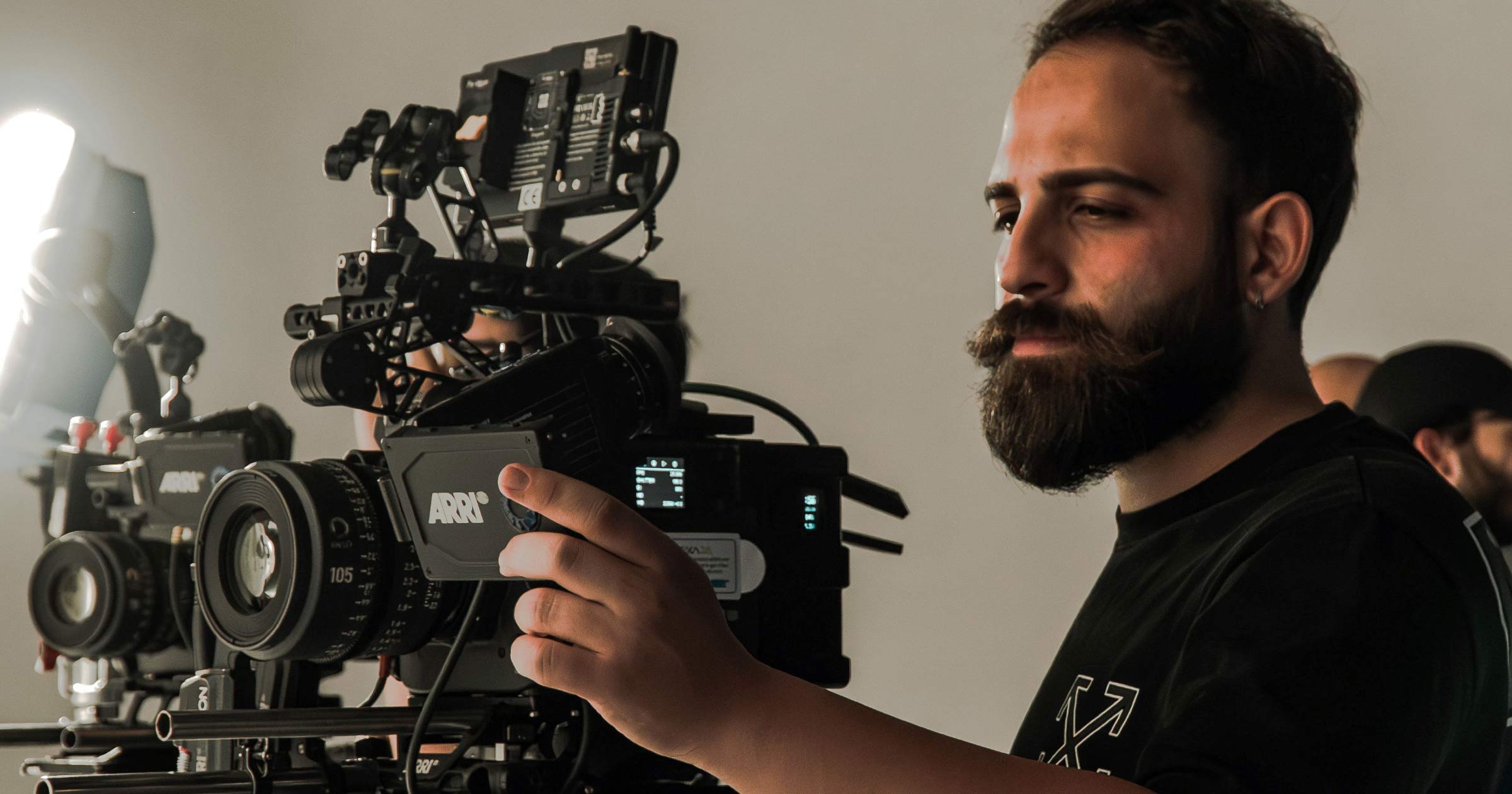
How much does a videographer cost? The honest answer: anywhere from $500 to $50,000, depending on what you're hiring them for, where you are, and what "videographer" means in your context. That's not a useful answer, so this guide breaks it down by project type, experience level, geographic market, and what's actually included in the price.
Whether you're a couple budgeting for wedding videography, a business planning a corporate video, or a videographer figuring out what to charge — this guide covers the real numbers behind the profession in 2026.
Average Videographer Costs by Project Type (2026)
| Project type | Budget range | Average | What you typically get |
|---|---|---|---|
| Wedding videography | $1,500 – $10,000+ | $2,500 – $4,500 | 8–12 hours coverage, highlight reel, ceremony edit, 2–4 month turnaround |
| Corporate event video | $1,000 – $8,000 | $2,000 – $5,000 | Full-day coverage, recap video, speaker highlights, 2–4 week turnaround |
| Corporate promo / brand video | $3,000 – $25,000 | $5,000 – $12,000 | Script, storyboard, 1–2 shoot days, editing, motion graphics, music licensing |
| Real estate walkthrough | $200 – $1,500 | $400 – $800 | 30–60 min shoot, 1–3 min video, 24–48 hour turnaround, drone optional |
| Music video | $1,000 – $20,000+ | $3,000 – $8,000 | Concept development, 1–2 shoot days, color grade, 2–4 week turnaround |
| Social media content | $300 – $3,000/day | $500 – $1,500/day | Multiple short-form clips, same-day or next-day delivery, vertical format |
| Documentary | $5,000 – $50,000+ | $10,000 – $30,000 | Multi-day shoots, interviews, B-roll, story editing, months of post-production |
Wedding Videographer Cost Breakdown
Weddings are the most common context for this question, so let's go deep here.
By experience level
| Tier | Price range | What to expect |
|---|---|---|
| Beginner (0–2 years) | $800 – $2,000 | Solo shooter, basic gear, highlights only, longer turnaround. Quality varies — some beginners are excellent, some are learning on your wedding. |
| Mid-range (3–5 years) | $2,000 – $4,500 | Reliable results, professional gear, highlight + ceremony edit, 8–12 week turnaround. This is where most full-time wedding videographers land. |
| Premium (5–10 years) | $4,500 – $8,000 | Cinematic quality, team of 2–3, multiple deliverables (highlights, full ceremony, speeches, reception), faster turnaround, advanced color grading. |
| Luxury / destination | $8,000 – $25,000+ | Top-tier production, 2–3 shooters, drone, same-day teasers, cinematic editing with custom music, 4–8 week turnaround, delivered via premium gallery. |
By geographic market (US)
| Market | Average wedding videographer cost |
|---|---|
| New York City | $4,000 – $10,000 |
| Los Angeles | $3,500 – $8,000 |
| Chicago | $2,500 – $6,000 |
| Miami | $2,500 – $5,500 |
| Austin / Nashville | $2,000 – $4,500 |
| Midwest / rural | $1,200 – $3,000 |
These ranges reflect 2026 market rates. Prices in major metros run 40–60% higher than secondary markets, driven by cost of living, demand density, and client expectations.
What's included in a typical wedding video package
A mid-range package ($2,500–$4,500) typically includes:
- 1–2 videographers
- 8–10 hours of coverage (getting ready through reception)
- Highlight reel (4–8 minutes, music-driven)
- Ceremony edit (full-length, 20–40 minutes)
- Licensed music (1–3 tracks)
- Color grading
- Online gallery delivery via a video delivery platform
- 8–12 week turnaround
Common add-ons and their costs:
- Second shooter: $500 – $1,000
- Drone footage: $300 – $800
- Same-day teaser: $500 – $1,500
- Raw footage delivery: $200 – $500
- Super 8 film add-on: $500 – $1,500
- Extended reception coverage: $150 – $300/hour
- Rehearsal dinner coverage: $500 – $1,000
What Drives the Price?
Understanding why videographers charge what they charge helps both clients (setting realistic budgets) and videographers (justifying their rates).
Time investment
A $3,000 wedding represents 40–60 hours of total work:
- Pre-production: 2–4 hours (client calls, timeline planning, location scouting)
- Wedding day: 10–14 hours (travel, setup, 8–12 hours shooting, teardown)
- Culling and organization: 3–5 hours
- Editing: 15–25 hours (highlight reel, ceremony edit, speeches, reception)
- Color grading: 3–6 hours
- Audio mixing: 2–4 hours
- Delivery and client communication: 2–3 hours
At $3,000 for 50 hours, that's $60/hour — before expenses.
Equipment costs
A professional wedding videography kit in 2026 costs $15,000–$40,000:
- Camera bodies (2x): $4,000 – $12,000
- Lenses (3–5): $3,000 – $8,000
- Gimbal stabilizer: $500 – $2,000
- Audio gear (wireless mics, recorder): $1,000 – $3,000
- Lighting: $500 – $2,000
- Drone: $800 – $2,500
- Memory cards, batteries, accessories: $500 – $1,500
- Computer + editing software: $3,000 – $6,000
Equipment depreciation runs $5,000–$10,000/year for a working professional. Add insurance ($500–$1,500/year), music licensing ($300–$600/year for services like Artlist or Musicbed), and delivery platform subscriptions ($180–$720/year), and a videographer's annual overhead is $7,000–$15,000 before they earn a dollar.
Delivery platform costs
Professional delivery adds $25–$60/month depending on the platform and tier (often after a free trial). This is the cost of delivering your work through branded galleries instead of WeTransfer links. For a full breakdown of options, see our video delivery platforms guide.
How to Save Money on Videography
If you're a client looking to reduce costs without sacrificing quality:
- Book off-season (November–March): 20–30% discounts are common during the slow months
- Choose highlights-only: Skip the full ceremony edit — saves 10–15 hours of editing time
- Skip raw footage: Raw footage delivery adds $200–$500 and most couples never watch it
- Book a newer videographer: Someone in their first 2 years may have excellent skills at lower rates while building their portfolio
- Friday or Sunday weddings: Many videographers offer 10–20% discounts for non-Saturday events
- Bundle with the photographer: Some studios offer photo+video packages at a combined discount
One thing not to do: skip videography entirely. A 2023 survey by The Knot found that 98% of couples who chose not to hire a videographer reported regretting the decision. Photography captures moments; videography captures motion, voice, and emotion in a way that photos cannot.
For Videographers: How to Set Your Prices
If you're a videographer figuring out what to charge, here's a framework:
- Calculate your annual costs: Equipment depreciation + insurance + software + delivery platform + music licensing + marketing + taxes + living expenses
- Determine your target income: What do you need to earn per year?
- Estimate your booking capacity: How many projects can you realistically handle? (Most solo wedding videographers max out at 25–35 weddings/year)
- Divide: (annual costs + target income) ÷ number of bookings = minimum package price
- Compare to market: Are you above or below the average for your area and experience level? Adjust based on your portfolio quality and demand
Example: $15,000 annual costs + $60,000 target income = $75,000. At 25 weddings per year, that's $3,000 per wedding minimum. This doesn't include taxes, so add 25–30% for self-employment tax in the US.
The Research Behind Videography Pricing
A 2024 analysis by the Professional Videographers Association surveyed 1,200 working videographers across North America and found that the median annual revenue for full-time wedding videographers was $72,000, with a standard deviation of $28,000. The study identified three variables that most strongly predicted pricing power: years of experience (r = 0.61), geographic market tier (r = 0.54), and portfolio quality as rated by blind peer review (r = 0.48). Interestingly, social media following showed weak correlation with booking rates (r = 0.12) — suggesting that portfolio quality and referral networks matter more than Instagram numbers.
Separately, a behavioral economics study (Ariely & Norton, 2009) on the "IKEA effect" demonstrated that consumers value products more highly when they perceive the creation process as effortful and skilled. For videographers, this means transparent communication about the editing process — sharing behind-the-scenes of color grading, timeline work, or audio mixing — can increase perceived value and reduce price resistance. Clients who understand the 40–60 hours behind a wedding film are significantly less likely to object to a $3,000+ price tag.
FAQ
How much does the average videographer charge per hour?
Raw hourly rates range from $50–$150/hour for solo videographers to $200–$500/hour for production companies. However, most videographers price by project, not by hour, because the editing time (the majority of the work) varies significantly by project complexity. A $3,000 wedding that takes 50 total hours works out to $60/hour before expenses.
Why are wedding videographers more expensive than event videographers?
Wedding video involves more editing complexity (narrative structure, emotion-driven pacing, music licensing), longer turnaround expectations, and higher stakes (you can't reshoot a wedding). Event video is often single-camera, minimal editing, and fast turnaround — less labor-intensive per deliverable.
Is $1,500 enough for a wedding videographer?
At $1,500 you'll typically get a solo shooter with 6–8 hours coverage and a highlights-only edit. Quality varies — some talented newer videographers deliver excellent work at this price point while building their portfolio. You're unlikely to get a second shooter, ceremony edit, or drone footage at this budget.
How much does a corporate video cost?
Simple event recap videos run $1,000–$3,000. Brand/promo videos with scripting, storyboarding, and motion graphics run $5,000–$25,000. The cost scales with pre-production complexity, number of shoot days, and post-production requirements (animations, voice-over, multiple cut lengths).
Should I tip my videographer?
Tipping is not expected but appreciated. If you choose to tip, $100–$200 for the lead videographer and $50–$100 for the second shooter is customary. A heartfelt review on Google or a referral to engaged friends is equally valuable to most videographers.
How do videographers deliver the final video?
Professional videographers increasingly use video delivery platforms — branded online galleries where clients can stream and download in original quality. This has largely replaced the old workflow of mailing USB drives or sending Google Drive links. For wedding videography specifically, platforms like OurStoria deliver 4K video and photos in one branded gallery with analytics and long-term access.
Bottom Line
Videography pricing is driven by time, skill, equipment, and market. A $2,000 wedding videographer isn't "twice as bad" as a $4,000 one — they may be equally skilled but newer, in a smaller market, or offering fewer deliverables. Focus on portfolio quality and communication when choosing, not just price.
For videographers: price based on your costs plus target income, divided by realistic booking capacity. The market will tell you if you're too high or too low — but starting too low is harder to recover from than starting at market rate.
Related reading:
- How Much Does a Wedding Videographer Cost? (Wedding-Specific)
- Wedding Videographer Pricing: What to Charge
- Video Delivery Platforms: Complete Guide
- How to Choose a Wedding Videographer
- Best Wedding Videography Editing Software
- Wedding Video: The Complete Guide
- Best Wedding Video Camera
Last updated: June 2026.