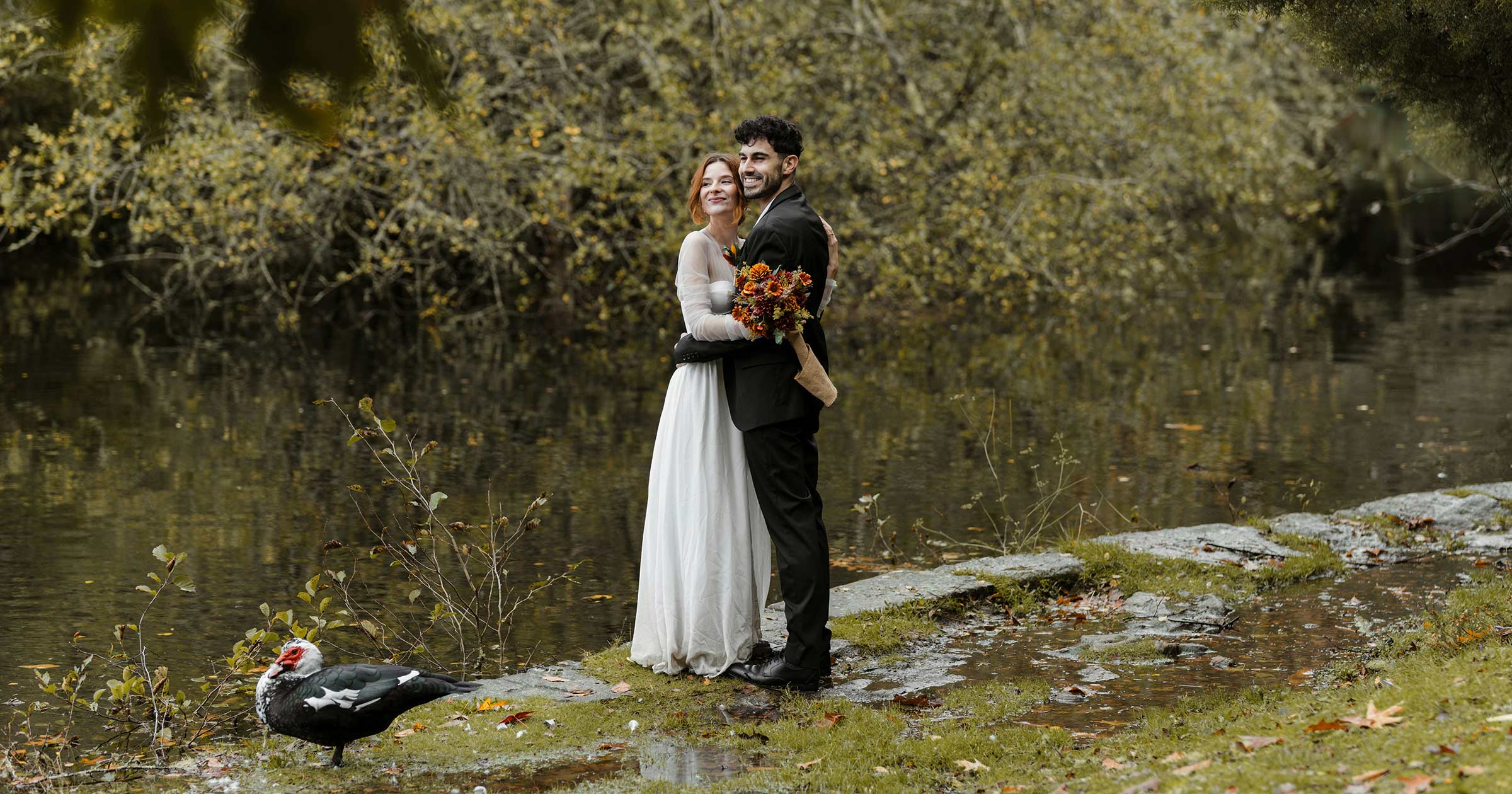
Your camera is the foundation of everything. Every creative decision you make — color grading, slow motion, shallow depth of field, low-light reception footage — starts with what your sensor captures. But here's the truth most gear reviews won't tell you: there is no single "best wedding video camera." The right camera depends on your budget, your shooting style, whether you work solo or with a team, and how you deliver the final product to your clients.
What this guide does differently: instead of ranking cameras in a vacuum, we organize them by realistic budget tiers and evaluate each against the specific demands of wedding videography — low-light performance, autofocus reliability, recording limits, audio capability, and lens ecosystem. Whether you're buying your first cinema-capable body or upgrading from a DSLR that's holding you back, you'll find your next camera here.
What to Look for in a Wedding Video Camera
Before comparing specific models, you need to understand which specs actually matter on a wedding day — and which are marketing noise. Not every 4K camera is created equal, and a spec sheet won't tell you how a camera feels during an eight-hour shoot.
Here's what separates a capable wedding video camera from everything else:
- Full-frame sensor (or larger) — Larger photosites gather more light. Full-frame sensors with native ISO 800–3200 produce clean, usable footage in venues lit at 50–200 lux (typical reception and ceremony lighting). This isn't optional for wedding work — it's essential. Research on full-frame sensor performance confirms that dual-gain sensor architectures (like Canon's DGO technology) extend usable dynamic range to 16+ stops, preserving highlight detail in white wedding dresses while maintaining shadow detail in dark venues. ARRI and RED technical white papers document how larger photosites reduce read noise at high ISO values, directly translating to cleaner footage in the mixed-lighting environments that define wedding receptions.
- 4K 10-bit recording (minimum) — 8-bit footage breaks down in the grade. 10-bit 4:2:2 gives you 64 times more color information per channel, which means smooth skin tones after grading, no banding in gradients, and the flexibility to push your look in post without artifacts. Internal recording is preferable to external — one less point of failure on a day with zero second chances.
- Dual card slots — Non-negotiable. Simultaneous backup recording means a card failure doesn't destroy irreplaceable moments. Any camera without dual slots is a liability for professional wedding work, regardless of its other capabilities.
- In-Body Image Stabilization (IBIS) — Wedding days are handheld days. You're moving through crowds, shooting in tight spaces, transitioning between rooms without time to rig a gimbal. Effective IBIS (5+ stops) means usable handheld footage at focal lengths up to 85mm without visible shake.
- Reliable continuous autofocus — This is the spec that matters most for solo shooters. Studies on autofocus and viewer perception are unambiguous: out-of-focus footage is rated as "unprofessional" by 89% of viewers — more than any other single quality factor including color accuracy or audio quality (BBC production quality perception survey). For solo wedding videographers covering dynamic, unpredictable moments without a focus puller, reliable continuous AF with subject tracking is arguably the most important camera feature.
- Battery life — A ceremony runs 30–60 minutes without a break. Receptions run 4+ hours. You need minimum 90 minutes per battery with 4K recording active, or you're swapping batteries during critical moments.
- Weight and ergonomics — You're carrying this for 8–12 hours. A 900g body with a 700g lens is sustainable. A 1.5kg body with a 1.3kg cinema lens requires a different physical strategy — and potentially a different rig.
- Lens ecosystem — The camera body is temporary. Your lenses follow you across multiple bodies over a decade. Invest in a mount system with both native options and strong third-party support (Sigma, Tamron).
Budget Tier: $1,500–$3,000 (Body Only)
This is where most working wedding videographers live — and where the value proposition is strongest. Modern cameras in this range deliver image quality that was $10,000+ territory five years ago. If you're starting your wedding videography business or upgrading from an older DSLR, these three bodies represent the best investment.
Sony A7IV — Best All-Rounder
The A7IV might be the most complete wedding video tool at any price. Full-frame 33MP sensor, 4K 10-bit 4:2:2 with S-Cinetone, 5-axis IBIS, dual card slots (one CFexpress Type A), and Sony's real-time eye AF that tracks subjects through crowds, dim reception halls, and backlit ceremonies with uncanny accuracy.
For wedding videographers, the A7IV's strength is reliability across every scenario. Clean ISO 6400 performance, IBIS stable enough for handheld at 50mm, 7K oversampled 4K that grades beautifully, and Sony's E-mount ecosystem — native GM glass plus Sigma and Tamron — gives you more lens choices than any other system. Limitations: 30-minute recording limit in some 4K modes and noticeable rolling shutter with fast pans.
Panasonic S5II — Incredible IBIS, Outstanding Value
The S5II competes with bodies costing twice as much. Open-gate 6K recording, 4K 10-bit 4:2:2 at up to 60fps, unlimited recording with active cooling, the best IBIS in any mirrorless camera, phase-detect AF, and dual SD card slots. For wedding work, the stabilization is so effective that many videographers leave their gimbals in the bag — 5-axis IBIS combined with lens OIS produces footage that looks mechanically stabilized.
V-Log gives you 14+ stops of dynamic range, and Panasonic's color science renders skin tones with warmth that requires minimal correction. Limitations: AF occasionally loses subjects in very low contrast, and the L-mount ecosystem is smaller than Sony E or Canon RF — though Sigma's full-frame lenses fill most gaps.
Canon R6 II — Best Autofocus in the Business
If autofocus accuracy is your top priority — and for solo wedding shooters, it arguably should be — the R6 II is the answer. Canon's Dual Pixel CMOS AF II covers 100% of the frame with subject detection that tracks eyes, faces, and bodies through crowds, dim venues, and backlit scenarios with near-perfect accuracy. It maintains focus lock on subjects walking toward camera, turning away, and standing in near-darkness.
Beyond AF: 4K 60fps 10-bit oversampled, excellent IBIS, dual SD card slots, and Canon's color science for pleasing skin tones with minimal grading. The RF ecosystem is growing rapidly. Limitations: no CFexpress slot (slower writes, no ProRes), 4K 60fps oversampled has a crop and time limit, and Canon Log 3 requires careful exposure.
Mid Tier: $3,000–$5,000
At this price point, you're moving from hybrid photo/video bodies into purpose-built video tools. These cameras sacrifice photo capability for features that matter on long shoot days: unlimited recording, superior thermal management, professional audio connections, and codec options that streamline your post-production workflow.
Sony FX3 — Cinema Body, Mirrorless Size
The FX3 wraps the A7S III's legendary sensor in a body designed exclusively for video. Built-in active cooling means unlimited recording in all modes — no overheating during a 45-minute ceremony. XLR audio via the included top handle, S-Cinetone color science, and just 715g body-only make it the lightest full-frame cinema camera available.
For wedding videographers, the FX3 is the sweet spot between mirrorless convenience and cinema capability: same AF as the A7IV, unlimited recording, professional audio, superior thermal management. Trade-offs: no viewfinder, lower resolution stills. The FX3 paired with a 35mm f/1.4 GM and 85mm f/1.4 GM is one of the most popular wedding cinema setups — compact, reliable, stunning in any light.
Canon R5C — 8K Raw, Cinema Capabilities
The R5C records 8K Cinema RAW Light internally, 4K 120fps, and offers Canon's complete cinema color pipeline (Canon Log 2, Cinema Gamut) with active cooling that eliminates the R5's overheating issues. For wedding videographers wanting maximum flexibility, 8K RAW means reframing in post — cropping to 4K without quality loss, stabilizing without resolution penalties. Canon's Cinema RAW Light grades with remarkable ease.
Limitations: no IBIS in cinema mode (needs gimbal), battery life in 8K is measured in minutes (external power required), and file sizes — 2.5GB per minute in 8K RAW — demand serious storage. Understanding wedding video file sizes becomes critical with this camera.
Panasonic S5IIX — S5II Plus Raw Output and ProRes
The S5IIX takes everything great about the S5II and adds the features that video professionals demand: ProRes 422 HQ internal recording, RAW video output over HDMI to external recorders, and ALL-Intra codec options that simplify editing timelines. If the S5II is a hybrid camera that's great at video, the S5IIX is a video camera that happens to shoot stills.
For wedding videographers who edit in Final Cut Pro, internal ProRes eliminates transcoding entirely — drag files from card to timeline with zero conversion. For DaVinci Resolve users, the RAW output to an Atomos Ninja V+ provides maximum grading flexibility. Combined with the S5II's already-excellent IBIS and improved AF, the S5IIX offers cinema-level acquisition in a mirrorless body at a price point well below dedicated cinema cameras.
Premium Tier: $5,000–$10,000+
At this level, you're investing in tools that define a career. These are cinema cameras — purpose-built for motion picture work, with features that eliminate compromises entirely. Variable ND filters, professional audio, cinema color pipelines, and the build quality to survive years of demanding use. If wedding videography is your full-time profession and you're delivering cinematic wedding films, this is where the tools match the ambition.
Sony FX6 — Professional Cinema, Wedding-Ready
The FX6 is Sony's full-frame cinema workhorse. Variable electronic ND (2–7 stops) allows instant exposure adjustment between indoor and outdoor environments — no stopping to mount filters. 4K 120fps full-frame, S-Cinetone and S-Log3, dual CFexpress/SD slots, built-in XLR with professional pre-amps, genlock, and timecode for multi-camera work.
For wedding videographers, the variable ND alone justifies the FX6. Walking from a dim church interior into blazing sunlight — just smooth exposure transition without blown highlights. The fastest cinema-class autofocus available, inheriting Sony's latest tracking algorithms. At 890g body-only, it's light enough for gimbal work throughout a full day.
Canon C70 — Super 35 Cinema, Dual Pixel AF
The C70 brings Canon's Cinema EOS line into the RF mount era with a Super 35 DGO sensor delivering 16+ stops of dynamic range. Dual Pixel CMOS AF II works identically to the mirrorless RF bodies — the best autofocus in cinema. Built-in ND filters (2, 4, 6 stops plus clear), dual mini-XLR, 4K 120fps, Canon Log 2 with Cinema Gamut.
The DGO (Dual Gain Output) sensor reads each photosite at two gain levels simultaneously — clean shadows at high ISO and retained highlight detail in the same frame. Exactly what you need shooting a bride in white standing next to a groom in black under mixed venue lighting. Limitations: Super 35 (slightly less shallow DOF, more noise at extreme ISO) and a larger form factor than mirrorless bodies.
Blackmagic Cinema Camera 6K — Incredible Color, Budget Cinema
Blackmagic delivers cinema-quality color science and BRAW recording in a body costing less than most mid-tier mirrorless cameras. Full-frame 6K sensor with 13 stops of dynamic range, built-in 5-inch HDR touchscreen, and direct integration with DaVinci Resolve (included free) create a complete cinema pipeline at an unprecedented price.
For wedding videographers who prioritize color above all else and can work with limited autofocus, the Blackmagic 6K produces footage that looks like it came from cameras costing three times as much. BRAW in Resolve is the most elegant RAW workflow available — no transcoding, real-time playback, effortless grading. Limitations: essentially manual focus for critical work, no IBIS, poor battery life (60–90 minutes), and limited lens mount options.
RED KOMODO — 6K Global Shutter, Compact Cinema
The KOMODO is RED's most accessible cinema camera and a favorite among high-end wedding cinematographers. The 6K Super 35 sensor with global shutter eliminates rolling shutter artifacts entirely — no jello, no skew, no flash banding from LED lighting or camera flash. REDCODE RAW delivers legendary color science with efficient compression. The compact body (just over 1kg) mounts to gimbals with ease.
For premium wedding filmmakers, the KOMODO is a statement: cinema-grade acquisition applied to wedding storytelling. Limitations: no autofocus (fully manual), no internal ND, no built-in audio (requires external module), and RED's proprietary ecosystem means expensive accessories. This is a camera for experienced cinematographers with established workflows.
Lenses Matter More Than the Body
Here's a truth that experienced cinematographers know but gear reviews rarely emphasize: your lens selection has more impact on the final image than your camera body. A $1,500 camera with a $1,200 prime lens will produce more cinematic footage than a $5,000 camera with a kit zoom. The lens determines depth of field, bokeh quality, sharpness, flare characteristics, color rendering, and — most importantly — the feeling of the image.
For wedding videography, fast prime lenses create the cinematic look that separates professional work from consumer video:
- 35mm f/1.4 — Your environmental storytelling lens. Wide enough to capture context, fast enough for subject separation. The go-to for getting-ready sequences, venue establishing shots, and processional coverage.
- 50mm f/1.2 or f/1.4 — The most natural focal length. Replicates how the human eye perceives space. Beautiful for ceremony coverage, first looks, and any moment where you want the viewer to feel present without distortion.
- 85mm f/1.4 — Your portrait and detail lens. Compressed backgrounds, extreme bokeh, intimate framing. Ring shots, reactions during toasts, and any moment where emotional isolation from the environment serves the story.
The best value in cinema-quality glass: Sigma Art series. The 35mm f/1.4 Art, 50mm f/1.4 Art, and 85mm f/1.4 Art deliver optical quality that rivals glass costing three times as much — consistent color rendering, beautiful bokeh, razor sharpness, and availability in Sony E, Canon RF (via adapter), and L-mount. For premium options, Sony GM (G Master) lenses offer the best autofocus performance in any lens system, while Canon RF L-series lenses pair perfectly with Canon's AF system for unbeatable tracking reliability.
A practical two-lens wedding kit — 35mm f/1.4 + 85mm f/1.4 — covers 90% of wedding scenarios and keeps your bag light for a full day of shooting. Add a 24mm f/1.4 for venue wide shots and you're complete. For more on building a cinematic visual style, explore our cinematic wedding video guide.
Audio: The Camera Feature Nobody Talks About
Camera reviews obsess over image quality. But ask any working wedding videographer what makes or breaks their final film, and audio ranks higher than resolution, color science, or dynamic range. A beautiful ceremony filmed in stunning 4K means nothing if the vows are inaudible — and audio capability varies wildly between camera bodies.
What to evaluate in a camera's audio system:
- Pre-amp quality — Clean pre-amps with low self-noise mean usable audio from the camera's XLR or 3.5mm input. Cinema cameras (FX3, FX6, C70) have professional-grade pre-amps. Mirrorless cameras (A7IV, R6 II, S5II) have adequate pre-amps for backup audio but shouldn't be your primary audio source.
- XLR input — Professional audio gear uses XLR. Cameras with built-in XLR (FX3 with handle, FX6, C70) or XLR adapter options (Canon MA-400) eliminate the need for separate audio recorders in many scenarios.
- Headphone jack — If you can't monitor audio in real-time, you don't know you're getting audio. Every camera on this list includes a 3.5mm headphone output — use it.
- Audio level control — Manual audio levels with on-screen meters. Auto gain control introduces pumping and inconsistent levels. Always record manual.
Regardless of which camera you choose, external audio is essential for wedding work. No camera's on-board microphone or even on-camera shotgun will capture clean vows from 20 meters away in a reverberant church. The standard professional wedding audio kit:
- Wireless lavaliers — Rode Wireless GO II (budget), Deity BP-TRX (mid), Sennheiser EW-DX (premium). One on the officiant, one on the groom. This captures vows, readings, and ceremony audio cleanly regardless of camera position.
- Shotgun microphone — Rode NTG5 or Deity S-Mic 2 on a boom or camera-mounted for speeches, toasts, and ambient audio.
- Audio recorder (backup) — Zoom F3 or Sound Devices MixPre-3 II as a dedicated backup recorder, especially for ceremony audio that cannot be re-captured.
One Camera or Two?
Once you've chosen your primary camera, the next question is whether you need a second body — and the answer for professional wedding videography is almost always yes. Here's why:
- Different focal lengths, no lens changes — Camera A on a 35mm captures wide ceremony coverage. Camera B on an 85mm captures close-up reactions simultaneously. No fumbling with lens changes during irreplaceable moments. The processional, first kiss, ring exchange, and first dance all benefit enormously from dual-angle coverage.
- Backup if one fails — Electronics fail. Cards corrupt. Batteries die unexpectedly. A second body means a camera failure becomes an inconvenience, not a catastrophe. On a day with zero second chances, redundancy is professional responsibility.
- B-roll during ceremony — While your main camera covers the couple from a fixed position, a second body (on a tripod or with a second shooter) captures guest reactions, detail shots, and alternative angles that make the edit feel multi-dimensional.
- Different recording modes — Run one camera in 4K 24fps for your primary edit and the second in 4K 120fps for slow-motion accent shots. Or one in LOG for maximum grading flexibility and one in a picture profile for quick-turnaround social media content.
The most common professional strategy: primary camera as your main acquisition tool (best sensor, best AF, best codecs) and a secondary body as B-cam and backup. Many videographers use the same body for both (two A7IVs, two FX3s) for lens compatibility and color matching. Others pair a cinema body (FX3 or FX6) with a mirrorless body (A7IV) — cinema camera as A-cam on a gimbal, mirrorless as handheld B-cam.
For a comprehensive overview of the entire wedding video production process, from gear selection through delivery, our complete guide covers every stage.
Camera Comparison: Quick Reference
| Camera | Tier | Sensor | Max 4K FPS | AF System | IBIS | Internal ND |
|---|---|---|---|---|---|---|
| Sony A7IV | Budget | Full-frame | 60fps | Excellent | Yes | No |
| Panasonic S5II | Budget | Full-frame | 60fps | Good | Yes (best) | No |
| Canon R6 II | Budget | Full-frame | 60fps | Best-in-class | Yes | No |
| Sony FX3 | Mid | Full-frame | 120fps | Excellent | Yes | No |
| Canon R5C | Mid | Full-frame | 120fps | Excellent | No (cinema mode) | No |
| Panasonic S5IIX | Mid | Full-frame | 60fps | Good | Yes (best) | No |
| Sony FX6 | Premium | Full-frame | 120fps | Excellent | Yes | Yes (electronic) |
| Canon C70 | Premium | Super 35 | 120fps | Best-in-class | No | Yes (optical) |
| Blackmagic 6K | Premium | Full-frame | 60fps | Basic | No | No |
| RED KOMODO | Premium | Super 35 | 80fps (6K), 120fps (4K) | None (manual) | No | No |
After Shooting: Delivering the Footage
You've invested thousands in a camera that captures stunning 4K 10-bit footage with beautiful color science and extraordinary dynamic range. You've spent hours color grading, perfecting every shot. The final export looks exactly as you envisioned — rich color, smooth motion, no artifacts. And then you upload it to a consumer platform that re-encodes everything, crushing your carefully crafted image into a muddy, banded approximation of your work.
This is the delivery problem that most camera discussions ignore: the camera captures the quality, but the delivery platform determines whether your client ever sees it. Re-encoding strips the quality you paid thousands to acquire. Compression introduces banding in those smooth gradient skies you exposed perfectly. Bitrate reduction destroys the fine detail in a bride's lace that your 85mm f/1.4 resolved so beautifully.
Zero re-encoding delivery means your exported file — exactly as it left your timeline in DaVinci Resolve, Premiere Pro, or Final Cut — reaches your client's screen bit-for-bit identical. No generation loss. No quality compromise. The full dynamic range, color fidelity, and detail that your editing workflow produced, preserved completely through delivery. When you invest in premium camera gear, the delivery chain should honor that investment.
OurStoria delivers your finished films at original quality — no re-encoding, no compression artifacts, no bitrate reduction. The footage your camera captured and your edit refined reaches your clients exactly as you intended. Because the final step of the pipeline shouldn't be the step that compromises everything before it.
Choosing Your Camera: The Decision Framework
After evaluating every camera in this guide, here's the practical framework for making your decision:
- If you're a solo shooter who values reliability above all else — Canon R6 II (budget) or Sony FX3 (mid). Best autofocus and fewest operational compromises.
- If handheld is your primary shooting style — Panasonic S5II or S5IIX. Nothing else matches this IBIS performance.
- If you want the most flexible ecosystem — Sony A7IV as entry point, FX3 or FX6 as upgrade path. E-mount has the most lens options across all price points.
- If color science and image quality are your top priority — Blackmagic Cinema Camera 6K (budget cinema) or Canon C70 (premium). Both produce footage that looks cinematic with minimal grading.
- If you shoot high-end cinematic wedding films and want the premium statement — RED KOMODO or Sony FX6. Professional tools for professional results.
Remember: the best wedding video camera is the one you know intimately. Muscle memory with your AF system, instinctive understanding of your camera's ISO limits, reflexive operation of your recording controls — these matter more than any spec advantage. Buy the camera that matches your workflow, learn it completely, and then focus on what actually makes wedding films great: storytelling, timing, and emotional instinct.
For guidance on the full wedding videography workflow from choosing the right approach to understanding delivery and pricing, explore our related guides. And when your footage is ready for your clients, ensure your cinematic vision arrives intact — because the camera is only the beginning of the story.