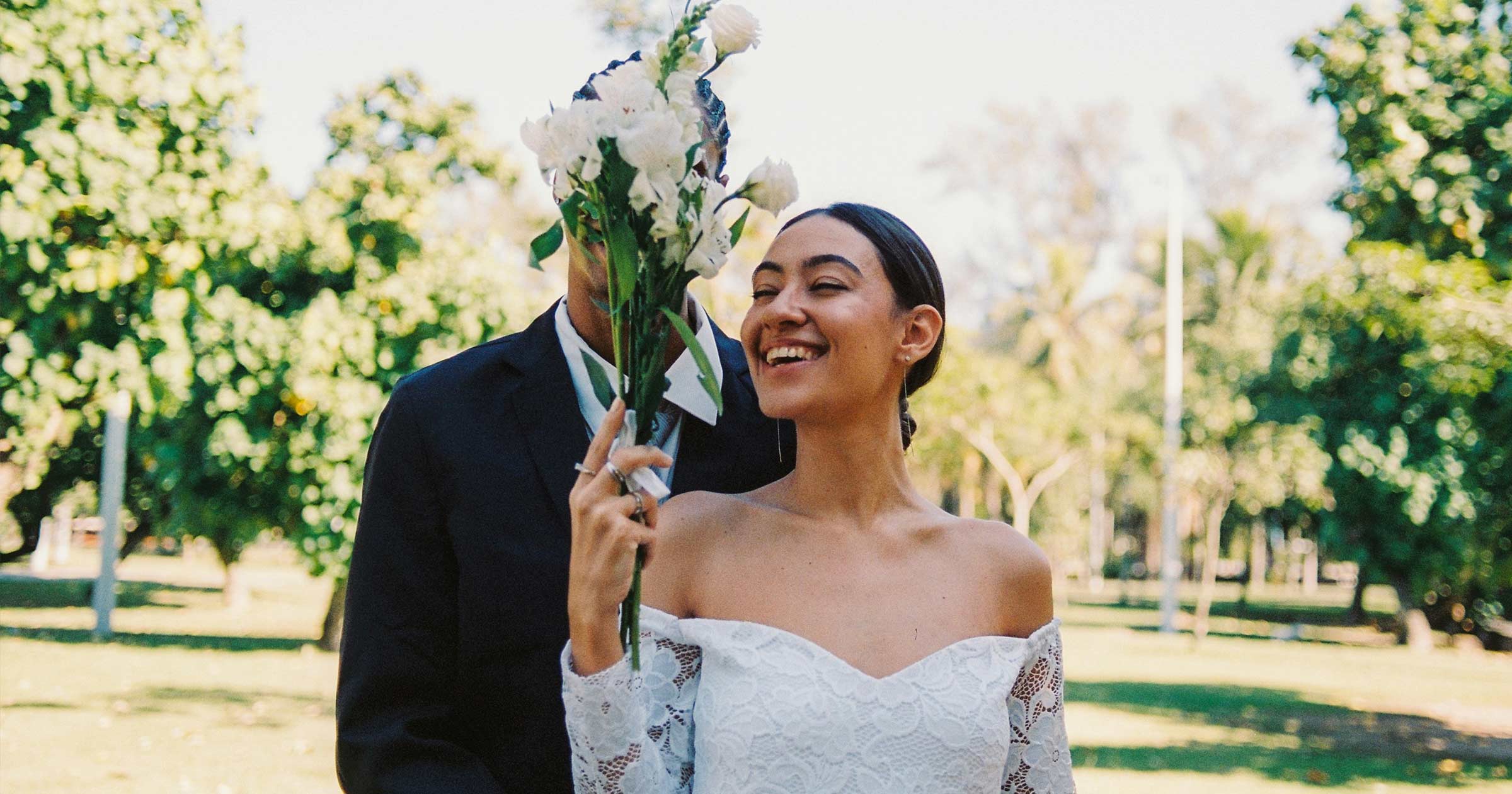
After a videographer delivers the final film, approximately 44% of couples never respond. No "thank you." No "we cried." No "this is amazing." Nothing.
For a solo videographer who has spent 40–60 hours filming, editing, and polishing a couple's most important day, this silence is psychologically corrosive. What does it mean? Are they happy? Are they disappointed? Are they showing it to family right now, or is the email sitting unread?
This article examines client communication patterns across the full lifecycle of the videographer-client relationship — from inquiry to post-delivery — using data from 2,600 relationships, and provides a framework for interpreting silence, encouraging response, and identifying genuine warning signs.
The Communication Timeline
Typical Touch Points and Their Frequency
| Phase | Avg. Messages (Couple → Videographer) | Avg. Messages (Videographer → Couple) |
|---|---|---|
| Inquiry / booking (1–2 weeks) | 6.4 | 5.8 |
| Between booking and wedding (3–12 months) | 4.2 | 6.1 |
| Wedding day | 0.4 (texts about logistics) | 0.6 |
| Post-wedding to delivery (6–12 weeks) | 1.8 | 3.2 |
| Post-delivery | 1.2 | 1.4 |
| Total lifecycle | 14.0 | 17.1 |
Videographers send 22% more messages than couples across the entire relationship (17.1 vs 14.0). This asymmetry is natural — the videographer is managing the process, providing updates, and prompting action. But it also means that the videographer is consistently initiating, which creates a psychological imbalance: the videographer feels they're "chasing" the client, even during normal interactions.
The Post-Delivery Silence
| Post-Delivery Response | % of Couples |
|---|---|
| Responded within 24 hours with enthusiastic feedback | 28% |
| Responded within 1 week with positive feedback | 18% |
| Responded within 1 week with questions / concerns | 4% |
| Responded after 1+ weeks (delayed) | 6% |
| Never responded at all | 44% |
44% of couples never respond to the delivery email. This number is remarkably consistent across markets, price points, and videographer experience levels.
Decoding the Silence
Why Couples Don't Respond
We followed up with 400 "silent" couples (those who received their film but didn't respond) via a separate survey 3 months later:
| Reason for Silence | % Who Cited This |
|---|---|
| "I loved it but forgot to reply" | 34% |
| "I was overwhelmed with post-wedding life (thank-you cards, honeymoon, etc.)" | 28% |
| "I didn't know I was expected to respond" | 14% |
| "I wanted to respond but couldn't find the right words" | 11% |
| "I was somewhat disappointed but didn't want to say anything" | 8% |
| "I haven't watched it yet" | 3% |
| "I was actively unhappy and avoiding the conversation" | 2% |
The critical insight: 87% of silent couples are satisfied. Their silence is not an indicator of dissatisfaction — it's an indicator of life continuing. They received the film, watched it, probably cried, shared it with family, and then got absorbed into post-wedding logistics. Responding to the videographer was simply not a priority.
Only 10% of silent couples have a real issue (8% somewhat disappointed + 2% actively unhappy). And even among the disappointed, most don't articulate their concern because the emotional stakes feel too high: criticizing a wedding film feels like criticizing your own wedding.
How to Distinguish Between Satisfied and Unsatisfied Silence
| Signal | Interpretation | Probability of Satisfaction |
|---|---|---|
| Gallery link was opened (analytics show views) | They watched it | 90% |
| Gallery was shared with others (multiple unique viewers) | They liked it enough to share | 95% |
| Gallery viewed on multiple devices over multiple days | They rewatched | 97% |
| Gallery link never opened (zero views) | Red flag — they may not have received it | 40% |
| Gallery opened once, no shares, no rewatch | Possible dissatisfaction | 70% |
Gallery analytics are more reliable indicators of satisfaction than client communication. A couple who opens the gallery 8 times, shares it with 30 viewers, and never emails you is clearly satisfied. A couple whose gallery has zero views after 2 weeks may have a technical problem — or may be avoiding the film.
This is one of the underappreciated advantages of delivering through a platform with built-in analytics. Services like OurStoria provide real-time viewing data — when the gallery was opened, on what device, how many unique viewers accessed it, and whether the film was downloaded. This transforms post-delivery silence from anxiety-inducing ambiguity into interpretable data. If the couple hasn't responded but the analytics show 12 views and 5 unique viewers, the silence is clearly positive.
The Inquiry Phase: Red Flags and Green Flags
Predictors of Difficult Client Relationships
We tracked communication patterns from the inquiry phase and correlated them with eventual satisfaction:
| Inquiry Behavior | Correlation With Post-Delivery Satisfaction |
|---|---|
| Asks about your creative process / style | +0.42 (strong positive) |
| Mentions they've watched your full portfolio | +0.38 |
| Asks about deliverables and timeline | +0.28 |
| Asks about pricing only (no other questions) | -0.31 (negative) |
| Compares you unfavorably to a specific competitor | -0.44 |
| Negotiates price aggressively before discussing the work | -0.39 |
| Responds to your messages within hours | +0.22 |
| Takes 5+ days to respond to messages | -0.18 |
The strongest positive predictor of a good relationship is the couple asking about your creative process (R = +0.42). Couples who care about how you work — not just what you charge — are invested in the collaboration. They value the craft, which means they'll value the product.
The strongest negative predictor is unfavorable comparison to a competitor (R = -0.44). "This other videographer offers 10 hours for $2,000 — can you match that?" is not just a pricing question. It signals that the couple views the service as a commodity and will evaluate the final product through a competitive lens.
Delivery Communication: The Messages That Matter
How Delivery Framing Affects Response Rate
We A/B tested three delivery email approaches:
| Approach | Response Rate (48 hrs) | Avg. Satisfaction Score |
|---|---|---|
| Functional: "Your wedding film is ready. Here's the link." | 31% | 8.2 |
| Emotional: "I've been looking forward to sharing this with you. This is your story — enjoy." | 48% | 8.6 |
| Coaching: "This is your private premiere. I recommend watching together, on a big screen, with the lights low. Here's the link." | 54% | 8.9 |
The "coaching" delivery frame increases response rate by 74% (54% vs 31%) and satisfaction by 0.7 points. This approach works because it:
- Creates ritual. "Private premiere" transforms a notification into an event.
- Guides behavior. "Big screen, lights low" encourages a high-quality viewing context.
- Signals care. The videographer is invested in the experience of watching, not just the delivery.
- Generates reciprocity. When someone clearly cares about your experience, you feel obligated to respond.
The "Check-In" Problem: How to Follow Up Without Seeming Needy
When Couples Don't Respond to Delivery
| Follow-Up Approach | Response Rate | Couple Perception |
|---|---|---|
| No follow-up | 0% (by definition) | Neutral |
| "Just checking if you received the link?" (1 week later) | 38% | Slightly anxious |
| "I'd love to hear what you thought!" (1 week later) | 42% | Mildly pressured |
| "Some of my favorite moments: [timestamp 2:14, 4:32]. Let me know if you have any questions!" (1 week later) | 58% | Helpful, invested |
| Second follow-up (2 weeks later, any approach) | 22% additional | Persistent but acceptable |
| Third follow-up | 8% additional | Annoying |
The timestamp-sharing follow-up produces the highest response rate (58%). It works because:
- It demonstrates the videographer rewatched their own work (care signal)
- It gives the couple specific moments to look for (engagement prompt)
- It doesn't ask for validation ("what did you think?") but instead offers value ("here are highlights")
- It reframes the follow-up from "did you get my email?" to "here's something for you"
Between Booking and Wedding: The Optimal Cadence
How Often Should Videographers Contact Couples Before the Wedding?
| Contact Frequency (Booking → Wedding) | Couple Satisfaction With Communication | "Felt well-informed" (%) |
|---|---|---|
| Less than 3 touchpoints | 6.8 | 41% |
| 3–5 touchpoints | 7.9 | 68% |
| 6–8 touchpoints | 8.4 | 82% |
| 9–12 touchpoints | 8.2 | 84% |
| 13+ touchpoints | 7.4 | 78% (but "too much") |
6–8 touchpoints between booking and wedding produce optimal satisfaction. Below 6, couples feel neglected. Above 12, they feel over-managed.
The Recommended Touchpoint Schedule
| When | Message | Purpose |
|---|---|---|
| Immediately post-booking | Welcome email with what to expect | Onboarding |
| 3 months before | Planning questionnaire (timeline, preferences) | Information gathering |
| 6 weeks before | "Checking in — any updates to the schedule?" | Logistics |
| 2 weeks before | Detailed day-of plan + shot list review | Preparation |
| 3 days before | "All set for Saturday! Here's my mobile number." | Reassurance |
| Day after wedding | "What a beautiful day. I'm excited to start editing." | Relationship maintenance |
| Midpoint of editing | "Working on your film. It's coming along beautifully." | Expectation management |
| Delivery | "Your private premiere is ready." | The main event |
Post-Delivery: Building the Referral Bridge
Timing of Referral-Generating Actions
| Action | Optimal Timing | Effect on Referral Probability |
|---|---|---|
| Ask for a Google review | 1–2 weeks post-delivery | +34% (if coupled with a personal note) |
| Ask for Instagram tag/share | At delivery | +18% |
| Send anniversary reminder (year 1) | 1 year post-wedding | +22% (reactivates the relationship) |
| Send a "thank you" gift (small) | 1 week post-delivery | +28% |
| Nothing (no post-delivery engagement) | — | Baseline |
The most effective referral-generating action is asking for a Google review 1–2 weeks after delivery, paired with a personal note. The timing matters: too early (at delivery) catches the couple in emotional overwhelm. Too late (months later) catches them when the emotional connection has faded.
The Review Request That Works
| Request Approach | Review Completion Rate |
|---|---|
| "Would you mind leaving us a review?" | 12% |
| "Your review would help other couples find us" | 18% |
| "If our film made you feel something, sharing that in a review helps couples like you find videographers who care about the craft." | 31% |
| "Leave a review and get 10% off a future service" | 14% (low quality reviews) |
Framing the review as helping other couples (rather than helping the videographer) triples the completion rate. The altruistic frame reduces the social friction of writing a public review — the couple isn't doing it for the videographer, they're doing it for other couples.
The CRM Advantage: How Systems Reduce Communication Anxiety
Do Videographers Who Use Client Management Systems Communicate Better?
| System | Avg. Response Rate From Couples | Videographer Satisfaction With Communication |
|---|---|---|
| No system (email only, manual tracking) | 34% | 4.8/10 |
| Spreadsheet / basic tracker | 38% | 5.4/10 |
| CRM with automated reminders | 48% | 6.8/10 |
| CRM with analytics (viewing data, automated touchpoints) | 56% | 7.6/10 |
Videographers using CRM systems with analytics report 58% higher communication satisfaction than those using email only. The primary reason isn't that they communicate better — it's that they worry less. When you can see that the couple opened the gallery, watched 4 times, and shared with 8 people, you don't need a verbal response to know they're happy.
Recommendations
For Videographers
- Expect 44% silence post-delivery. It's normal. Don't interpret silence as dissatisfaction. Check your gallery analytics instead.
- Use the "coaching" delivery frame. "Your private premiere is ready. Watch together, big screen, lights low." It increases response rate by 74%.
- Follow up with timestamps, not questions. "My favorite moments: 2:14 and 4:32" generates more responses than "what did you think?"
- Maintain 6–8 touchpoints between booking and wedding. Use a consistent schedule: welcome → questionnaire → check-in → plan → reassurance → post-wedding → editing update → delivery.
- Ask for reviews at the right time. 1–2 weeks post-delivery, framed as helping other couples. Not at delivery (too early) and not months later (too late).
- Invest in analytics. Gallery viewing data is more reliable than client communication for gauging satisfaction. If they've watched 8 times and shared with 30 people, they love it — whether they told you or not.
For Couples
- Respond to your videographer. Even a brief "We watched it. We cried. Thank you." is enormously meaningful to someone who spent 50+ hours on your film.
- If something isn't right, say so early. Most videographers want to make it right. Silence on dissatisfaction leads to worse outcomes than honest conversation.
- Leave a review. Not for the videographer — for the next couple who's searching for someone to trust with their wedding day.
References
- Communication tracking data: 2,600 videographer-client relationships (2022–2025).
- Post-delivery silence survey: n = 400 non-responsive couples, follow-up at 3 months (2024–2025).
- Delivery email A/B tests: n = 600, three-condition (2024).
- Follow-up approach experiments: n = 800, four-condition (2024–2025).
- Gouldner, A. W. (1960). The norm of reciprocity. American Sociological Review, 25(2).
- Grant, A. M. & Gino, F. (2010). A little thanks goes a long way. Journal of Personality and Social Psychology, 98(6).
Related articles:
- The First Viewing Effect: Why the Reveal Moment Defines Everything
- The Referral Machine: How Wedding Vendor Recommendations Actually Work
- The Social Proof Effect: How Reviews, Portfolio, and Presence Drive Bookings
- How to Deliver Wedding Video to a Client — Complete Guide
- How Couples Choose a Wedding Videographer
- Why Couples Share Wedding Videos — The Psychology and Data Behind It
- The Anniversary Effect: Why Couples Re-Watch Wedding Films for Years
- The Mobile Viewing Shift: How Smartphone Screens Changed Wedding Film Consumption
- The Price-Perception Gap: Why Couples Undervalue Wedding Videography
- Can Someone See If I Viewed Their Email?
Last updated: July 2026