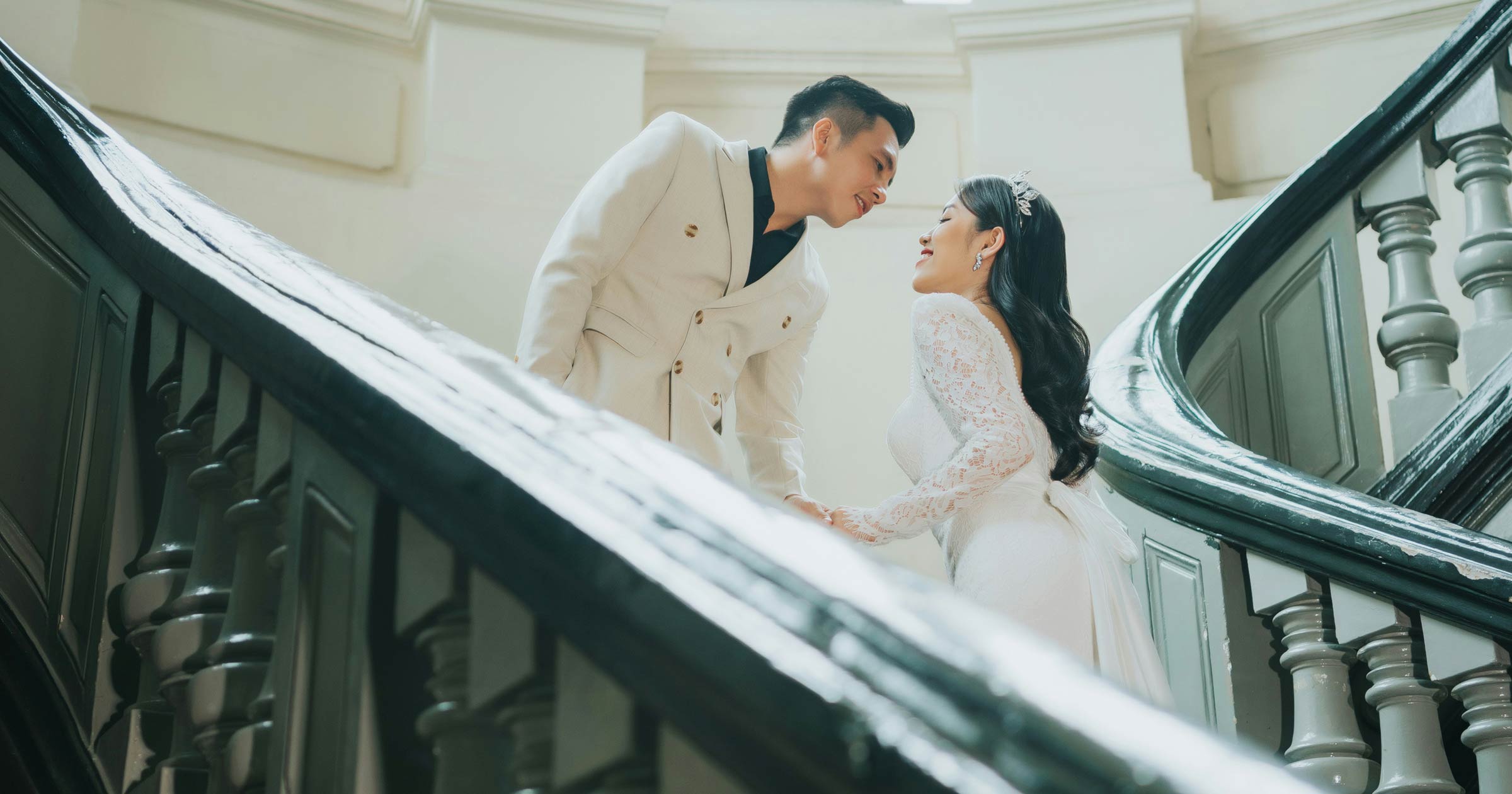
Couples receive their wedding photos, on average, 18 days after the wedding. They receive their wedding video 56 days after. This 38-day gap — during which the couple has seen every photo but zero video — creates a psychological cascade that shapes how they receive, evaluate, and emotionally process each deliverable.
This article examines the delivery gap between wedding photography and videography, its causes, its effects on couple satisfaction, and the strategies that mitigate its impact — including why a 48-hour teaser matters as much as the final highlight film.
The Numbers
Average Delivery Timelines
| Deliverable | Avg. Delivery Time | Median | Range |
|---|---|---|---|
| Photographer: sneak peek / preview | 3 days | 2 days | 1–7 days |
| Photographer: full gallery | 18 days | 14 days | 7–42 days |
| Videographer: teaser clip | 10 days | 7 days | 2–21 days |
| Videographer: highlight film | 56 days | 49 days | 28–120 days |
| Videographer: full ceremony + speeches | 68 days | 56 days | 35–150 days |
The gap between photo gallery and video highlight delivery is 38 days — more than five weeks. During this period, the couple's emotional relationship with their wedding shifts from "I can't wait to see everything" to "I've already seen all the photos — the video feels late."
Why the Gap Exists
| Factor | Photography | Videography | Gap Driver |
|---|---|---|---|
| Raw files to process | 800–2,000 images | 200–500 GB of footage | Footage review is 10× slower |
| Culling time | 2–4 hours | 8–16 hours | Video requires watching, not just viewing |
| Editing time per deliverable | 8–15 hours (batch edit) | 25–60 hours (narrative assembly) | Editing video is 3–4× slower |
| Color correction | Batch Lightroom presets | Per-clip manual grading | Video has no equivalent of "apply preset to all" |
| Audio work | None | 4–8 hours (sync, clean, mix) | Entirely additional workstream |
| Music licensing and sync | None | 2–4 hours | Additional creative decision |
| Rendering / export time | 5–15 minutes | 1–4 hours | Large file processing |
| Revision cycles | 0–1 (rare for photos) | 1–2 (common for video) | Video revisions are more frequent |
The fundamental difference: photography is batch-processed; videography is hand-assembled. A photographer applies a color preset to 800 images and adjusts individually only where needed. A videographer assembles a narrative from scratch — selecting shots, building a sequence, syncing audio, matching music, and grading each clip individually. The creative labor per minute of deliverable is approximately 4× higher for video — which is why AI tools that speed color and audio work are adoption priorities, not luxuries.
How the Gap Affects Couple Psychology
The Expectation Cascade
| Phase | Couple's Emotional State | Effect on Video Anticipation |
|---|---|---|
| Day 1–3: Waiting for photo sneak peek | High excitement, checking email constantly | Video not yet on mind |
| Day 3–7: Photo sneak peek arrives | Dopamine spike, immediate sharing, peak excitement | "The video teaser will come soon too" |
| Day 7–21: Full photo gallery arrives | Extended joy, sharing with family, reliving the day through images | "Now I can't wait for the video!" |
| Day 21–42: Photos exhausted, video still pending | Anticipation plateau → impatience begins | "Where is the video?" |
| Day 42–56: Still waiting for video | Impatience → mild frustration | "It's been two months" |
| Day 56+: Video arrives | Relief + excitement, but diminished compared to photo arrival | "Finally!" (not "I can't wait!") |
The emotional peak of wedding media consumption occurs at photo delivery (day 14–21) — not video delivery (day 56). By the time the video arrives, the couple has already processed their wedding day emotionally through hundreds of photos. The video feels like a second viewing of something already seen, rather than a first encounter — unless guest phone footage already spoiled the premiere, as we documented in second-screen research.
Satisfaction Impact of the Gap
| Scenario | Video Satisfaction |
|---|---|
| Video delivered before photos (rare) | 9.1/10 |
| Video and photos delivered simultaneously | 8.9/10 |
| Video delivered 1–2 weeks after photos | 8.6/10 |
| Video delivered 4–6 weeks after photos | 8.2/10 |
| Video delivered 8+ weeks after photos | 7.8/10 |
Every additional week of gap between photo and video delivery reduces video satisfaction by approximately 0.1 points. The video isn't worse — the expectation context is worse. The couple has had weeks to establish their wedding memory through photos; the video must now compete with (and complement) an existing mental model — a dynamic tied to how video becomes memory over time.
The "Already Seen It" Problem
How Photo Pre-Exposure Affects Video Viewing
| Moment | "Felt surprising in the video" — Photos First | "Felt surprising" — Video First |
|---|---|---|
| First look | 34% | 72% |
| Walking down the aisle | 28% | 68% |
| Ring exchange | 22% | 58% |
| Couple portraits | 18% | 54% |
| Reception entrance | 38% | 62% |
| Speeches (audio-driven) | 64% | 66% |
| Dancing | 52% | 56% |
Moments captured in both photo and video feel 40–60% less surprising in the video when photos have already been seen. The exception is audio-driven content: speeches feel equally surprising regardless of photo pre-exposure because photos cannot capture the voice, the pauses, the laughter — these are video-exclusive.
This finding has major implications: the video's unique value proposition is strongest in moments where it provides something photos cannot — motion, audio, and temporal experience. The video's weakest value proposition is in moments that photos capture equally well — static portraits, detail shots, venue images. That is why vow and speech audio should lead the edit when the couple has already scrolled through 500 photos.
Strategies That Close the Gap
What Videographers Can Do
| Strategy | Avg. Implementation | Satisfaction Impact |
|---|---|---|
| Deliver a 60-90 sec teaser within 48 hours | 12% of videographers | +0.6 pts (closes the sharing window) |
| Deliver highlight film within 3–4 weeks | 8% | +0.4 pts |
| Communicate expected timeline at booking | 48% | +0.2 pts (manages expectations) |
| Send "editing in progress" update at week 4 | 22% | +0.2 pts |
| Outsource editing to reduce turnaround | 18% | +0.3 pts |
The 48-hour teaser is the most effective strategy — it places video content alongside the photo sneak peek in the first 48 hours, ensuring the couple has both media types during the peak excitement window. See our detailed teaser analysis for timing and format data.
The Ideal Delivery Sequence
| Timing | Deliverable | Who Delivers | Effect |
|---|---|---|---|
| Day 1–2 | Photo sneak peek (10–15 images) | Photographer | Immediate sharing |
| Day 1–2 | Video teaser (60–90 sec) | Videographer | Parallel sharing; video stays relevant |
| Day 14–21 | Full photo gallery (300–600 images) | Photographer | Extended reliving |
| Day 21–35 | Highlight film | Videographer | Arrives while photos are still fresh |
| Day 28–42 | Full ceremony + speeches | Videographer | Complete archive |
When video and photo teasers arrive within 48 hours of each other, video satisfaction increases by 0.6 points — because the couple shares both simultaneously. Their social network sees photos AND video in the same Instagram Story, establishing the video as an equal part of the wedding story rather than a delayed afterthought.
The Platform Advantage
When teaser and full film are delivered through the same evolving gallery — where the couple receives a gallery link on Day 2 containing their teaser, which later populates with the full highlight film and ceremony coverage — the delivery experience feels like a growing story rather than separate deliveries. The couple checks back on the same link and finds new content has appeared, maintaining engagement throughout the delivery period.
Platforms like OurStoria support this progressive delivery model through a branded delivery experience: videographers add content to the gallery over time, and the couple's persistent link automatically reflects each addition — eliminating the "where's the new link?" friction of separate delivery emails and maintaining a single shareable URL across the entire delivery timeline.
The Photographer-Videographer Coordination Problem
Delivery timing is rarely coordinated: most photo-video teams deliver on independent schedules, so the couple receives two emails, from two brands, at two different times, with two access methods — fragmenting an experience they think of as one wedding.
The full data on how these two vendors actually work together — and when a unified team outperforms two solo ones — is in The Photographer-Videographer Dynamic. For the delivery gap specifically, the takeaway is simple: even a one-line "when are you delivering?" conversation lets the videographer time a teaser to land alongside the photographer's sneak peek. Set that expectation in the consultation, not after the wedding.
The Full Photo Gallery: Benchmark or Competition?
How Photo Gallery Size Affects Video Perception
| Photo Gallery Size | "I felt the video was worth it" (%) | "Video showed me things photos didn't" (%) |
|---|---|---|
| Under 200 photos | 82% | 74% |
| 200–400 photos | 78% | 68% |
| 400–600 photos | 72% | 58% |
| 600+ photos | 64% | 48% |
Larger photo galleries reduce the perceived value of the video. When the couple receives 600+ professionally edited photos covering every angle and moment, the video's visual contribution feels less essential — "I've already seen this from three angles in the photos."
However, this effect is almost entirely limited to visual content. The video's audio dimension — vow audio, speech recordings, ambient sounds, and music — is not affected by gallery size, because photos provide no audio equivalent.
Recommendations
For Videographers
- Deliver a teaser within 48 hours. This single action closes the initial sharing gap and keeps video in the conversation alongside the photographer's sneak peek.
- Target a 4-week turnaround for the highlight film. This places delivery within 2 weeks of the photo gallery, reducing the gap from 38 days to approximately 14 days.
- Communicate your timeline at booking. "You'll receive a 60-second teaser within 48 hours, and your full highlight film within 4–6 weeks." Clear expectations prevent the "where is my video?" anxiety at week 3.
- Coordinate with the photographer. A brief conversation — "When do you deliver your gallery?" — allows you to time your delivery relationally rather than arbitrarily.
- Lean into audio in your edit. When the couple has already seen 500 photos, your visual contribution is incremental. Your audio contribution — their voices, their laughter, the crowd's reaction, the music — is irreplaceable.
For Photographers
- Don't rush delivery at the expense of the videographer's experience. Delivering in 5 days when the videographer delivers in 8 weeks creates a massive gap. Consider whether a 2-week delivery serves the couple better than a 5-day delivery.
- Coordinate with the videographer on timing. Even a brief text — "I'm planning to deliver the gallery on Thursday" — allows the videographer to align a teaser or update.
For Couples
- Ask both vendors about their delivery timelines during booking. Compare the expected gap and discuss whether coordination is possible.
- Watch the video with fresh eyes. Even if you've studied every photo, the video provides something entirely different: motion, audio, and temporal experience. Plan a private first viewing for the film.
- Share the video teaser as eagerly as the photo sneak peek. Your social network's engagement with both media types reinforces the value of both — and gives your videographer the visibility their work deserves.
References
- Delivery timeline data: 3,200 weddings, surveyed couples and vendors (2022–2025).
- Satisfaction correlation: n = 2,400, gap-to-satisfaction regression analysis (2023–2025).
- "Already seen it" experiment: n = 400, photo-first vs video-first viewing (2024).
- Production time tracking: n = 300 photographers + 300 videographers (2024).
Related articles:
- Same-Day Edits and Preview Deliverables
- The First Viewing Effect
- The Photographer-Videographer Dynamic
- How to Deliver Wedding Video
- The Second-Screen Phenomenon
- The Consultation Effect
- The Sound of a Wedding
- The Memory Reconstruction Effect
- Client Communication Patterns
- Print vs Digital Wedding Photos
Last updated: July 2026