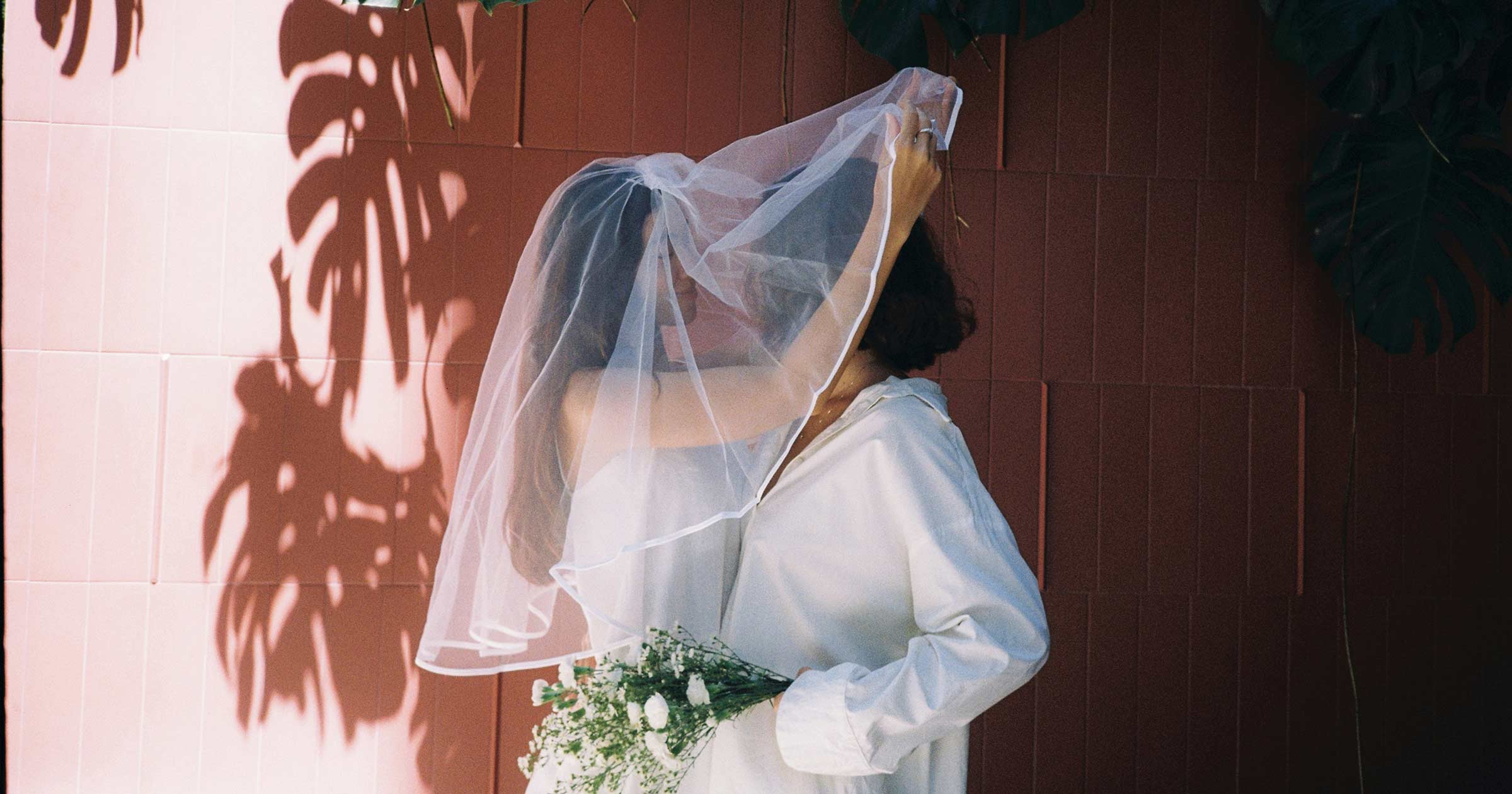
Super 8 film is back. After two decades of digital domination — DSLRs, mirrorless bodies, drones, gimbals, 4K, 8K — analog film has made a stunning, improbable comeback in wedding videography. Not as a novelty. Not as a gimmick. As a deliberate creative choice by couples and videographers who want something digital cameras simply cannot produce: organic grain, warm color shifts, light leaks that happen by accident, and a texture that feels like memory itself.
The resurgence isn't random. It's part of a broader cultural shift toward analog experiences — vinyl records outselling CDs, film photography flourishing on Instagram, Polaroids at every wedding reception. Super 8 sits at the intersection of this analog revival and wedding videography's constant search for emotional authenticity. The format's inherent imperfections — the soft focus, the limited runtime, the silence — create footage that feels less like a polished production and more like something precious found in a grandparent's attic.
Whether you're a videographer considering adding Super 8 to your services or a couple wondering if analog film is right for your wedding day, this guide covers everything: the format itself, the workflow, the cameras, the film stocks, the costs, how to blend Super 8 with digital footage, and how to deliver the final film in a way that honors the craft behind it.
What Is Super 8 Film?
Super 8 is a motion picture film format introduced by Kodak in 1965. The "Super" distinguished it from the original Standard 8mm format by offering a 50% larger image area on the same width of film — achieved by reducing the size of the sprocket holes. The result was a sharper, brighter image that became the dominant home movie format for nearly three decades.
The format was originally designed for families. Fathers filmed birthday parties, vacations, first steps. The cameras were affordable, the film cartridges were simple to load, and the results had a warmth and intimacy that defined an entire era of personal filmmaking. When video camcorders arrived in the 1980s, Super 8 faded — but it never disappeared entirely. Independent filmmakers, music video directors, and artists kept the format alive as a deliberate aesthetic choice.
Here's how Super 8 works in practice:
- Film cartridge: Super 8 uses a self-contained cartridge (no threading required). You drop it in, close the door, and shoot. Each cartridge holds 50 feet of film.
- Runtime: At 18 frames per second (the standard Super 8 speed), one cartridge gives you approximately 3 minutes and 20 seconds. At 24fps (cinema speed, available on some cameras), you get about 2 minutes and 30 seconds.
- Silent film: The vast majority of Super 8 footage is silent. Some cartridges supported a magnetic sound strip, but modern Super 8 wedding work is almost exclusively silent — audio comes from the digital footage or is added in post.
- No playback: You can't review what you've shot. There's no LCD screen, no histogram, no waveform. You expose the film, trust your settings, and see the results weeks later when the developed film returns from the lab.
That last point is the one that surprises digital-native videographers most. Super 8 is a commitment. Every frame costs money. Every cartridge is finite. There are no second chances. And that constraint — counterintuitively — is part of what makes the footage feel so intentional and valuable.
Why Couples Want Super 8
The demand for Super 8 at weddings has grown steadily since the early 2020s, accelerating sharply as the format gained visibility on Instagram and TikTok. But the appeal goes deeper than social media trends. Here's why couples are specifically requesting analog film for their wedding day.
Nostalgia as emotion, not aesthetic. Super 8 footage doesn't just look old — it feels old, in the best sense. The grain, the color saturation, the gentle flicker create an immediate emotional response that's distinct from any digital filter or LUT. Research on nostalgia and analog media supports this: the "vinyl revival" phenomenon extends directly to film. Holbrook and Schindler's work on nostalgic consumption (Journal of Consumer Research, 2003) established that analog formats trigger stronger nostalgic emotional responses than their digital equivalents. The physical imperfections of analog media — grain, light leaks, color channel shifts — activate what psychologists call "productive nostalgia," a positive emotional engagement with the past that doesn't create sadness but rather warmth, connection, and a sense of time's preciousness. For a wedding film — a document literally designed to trigger future nostalgia — this emotional mechanism is extraordinarily powerful.
Authenticity through imperfection. In an era of AI-enhanced, algorithmically perfected content, Super 8's imperfections read as radically authentic. Studies on the "imperfect aesthetic" demonstrate that intentional imperfection in visual media increases perceived authenticity and emotional warmth (Mick and DeMoss, 1990, Journal of Consumer Research; updated in a social media context by Schroeder, 2018). Super 8's grain, soft focus, and color irregularities make wedding footage feel more "real" than polished digital video — precisely because the medium itself resists perfection. The couple isn't watching a production. They're watching a memory that happens to be on film.
Beyond the research, the practical reasons couples cite:
- Timeless look: Digital video dates quickly — resolution standards change, color trends shift, stabilization expectations evolve. Super 8 shot in 1972 and Super 8 shot in 2026 are visually indistinguishable. The format exists outside of technological time.
- Uniqueness: In a peer group where everyone has a digital wedding film, Super 8 stands apart. It's a conversation piece, a point of differentiation, something their friends don't have.
- Social media virality: Super 8 wedding clips consistently outperform digital clips on Instagram Reels and TikTok. The format's texture stops the scroll — it looks fundamentally different from everything else in the feed.
- Family continuity: For couples whose parents or grandparents have actual Super 8 home movies, shooting their wedding on the same format creates a tangible generational link — their wedding film looks like their family's history.
- Intentionality signal: Choosing analog in a digital world signals that the couple cares deeply about the aesthetic of their documentation. It's a taste marker, a creative statement.
The Super 8 Workflow
Super 8 wedding videography follows a fundamentally different workflow than digital. There's no instant playback, no same-day editing, and no deleting bad takes. The process is linear, physical, and patience-demanding.
Step 1: Shoot
Load the cartridge, set the exposure (some cameras have automatic metering, others require manual settings), and shoot. At 2.5–3 minutes per cartridge, you need to be extremely selective. Most Super 8 wedding videographers shoot 4–8 cartridges per wedding — roughly 10–25 minutes of raw footage total. Compare that to the 4–8 hours of footage a digital videographer captures, and you understand the fundamental shift in approach: every press of the trigger is a deliberate choice.
Step 2: Send Film to Lab
After the wedding, the exposed cartridges are mailed to a film lab for development. There are only a handful of professional labs that process Super 8 in the US and Europe — Pro8mm, Spectra Film & Video, and Cinelab London are among the most trusted. The film must be handled carefully during shipping (padded envelope, no extreme temperatures, clearly labeled).
Step 3: Develop
The lab develops the film using the appropriate chemical process — ECN-2 for color negative stocks (Kodak Vision3), D-96 for black-and-white (Tri-X). Development takes 1–2 weeks depending on the lab's volume.
Step 4: Scan to Digital
Once developed, the film is scanned to a digital format. This is where quality decisions happen. Scanning options typically include:
- 2K scan: Standard quality, excellent for web delivery and social media. Most cost-effective.
- 4K scan: Higher resolution that captures more film grain detail and provides more flexibility in post-production. Recommended for professional work.
- HDR scan: Some labs offer high-dynamic-range scanning that preserves more shadow and highlight detail from the negative. Premium option for maximum color grading latitude.
The scan is delivered as a digital video file (typically ProRes or DPX sequences) that can be imported into any editing software.
Step 5: Edit with Digital Footage
The scanned Super 8 footage is integrated with the digital footage in your editing timeline. This is where the two formats — analog and digital — come together into a cohesive film. More on this in the editing section below.
Step 6: Deliver
The final film is exported and delivered to the couple. Total turnaround from wedding day to delivery: typically 6–12 weeks (3–6 weeks for film development and scanning, plus editing time). This extended timeline should be communicated clearly to couples at the booking stage.
Super 8 Cameras for Wedding Videography
Every Super 8 camera used in wedding videography today is vintage — Kodak discontinued production decades ago, and no manufacturer currently makes new Super 8 cameras at professional quality. This means buying used, understanding what to look for, and accepting that servicing is limited. Here are the four cameras most commonly used by professional Super 8 wedding videographers.
| Camera | Typical Price (Vintage) | Film Compatibility | Key Features |
|---|---|---|---|
| Canon 514 XL-S | $250–$500 | All Super 8 cartridges | Fast f/1.4 lens, excellent low-light performance, XL (existing light) system, manual + auto exposure, lightweight. The most popular choice for wedding work. |
| Nikon R10 Super Zoom | $300–$600 | All Super 8 cartridges | 7–70mm macro zoom lens, smooth zoom control, built-in intervalometer, Nikon optics quality. Excellent sharpness and color rendering. |
| Canon 1014 XL-S | $500–$1,200 | All Super 8 cartridges | The flagship. f/1.4 lens with 7–70mm zoom, variable frame rates (9/18/24fps), XL system, lap dissolve function, sound capability. The gold standard for professional Super 8 work. |
| Beaulieu 4008 ZM | $800–$2,000 | All Super 8 cartridges | Schneider f/1.8 lens, interchangeable C-mount lens system, variable speeds (2–70fps), rock-solid build quality. French engineering, professional-grade. The most versatile option. |
Buying advice: Always test before committing. Run a test cartridge through the camera and have it developed before using it at a wedding. Check for light leaks, transport issues (uneven frame spacing), and metering accuracy. A CLA (Clean, Lubricate, Adjust) service from a specialist technician costs $100–$300 and dramatically improves reliability. For wedding work, reliability is non-negotiable — you cannot reshoot.
Most professionals carry a backup body. A Canon 514 XL-S paired with a second 514 XL-S (or a Nikon R10) gives you redundancy without excessive cost. If your primary fails mid-wedding, you switch bodies and lose zero coverage.
Film Stock Options
Kodak is the only manufacturer still producing Super 8 film cartridges. The current lineup offers three distinct stocks, each suited to different shooting conditions.
| Film Stock | ISO | Type | Best For | Characteristics |
|---|---|---|---|---|
| Kodak Vision3 50D | 50 | Daylight color negative | Outdoor ceremonies, golden hour, bright daylight | Fine grain, rich color saturation, excellent skin tones, wide latitude. The most "classically beautiful" Super 8 stock. Needs abundant light. |
| Kodak Vision3 500T | 500 | Tungsten color negative | Indoor reception, low-light getting-ready, candlelit ceremonies | Visible grain (part of the aesthetic), balanced for tungsten lighting, usable in surprisingly low light. Requires an 85 filter outdoors. The workhorse for indoor wedding work. |
| Kodak Tri-X Reversal | 200 | Black-and-white reversal | Artistic intercuts, dramatic portraits, timeless sequences | Classic black-and-white grain structure, high contrast, iconic tonality. Creates the most overtly "cinematic" and "archival" look. Stunning for detail shots and candid moments. |
Cost per cartridge: Film stock runs $30–$50 per cartridge (50 feet / ~3 minutes). Development costs $25–$50 per cartridge. Scanning adds $30–$75 per cartridge depending on resolution and lab. Total cost per cartridge of finished, scanned footage: $85–$175. For a typical wedding shoot of 6 cartridges, that's $500–$1,050 in film costs alone before any editing.
Most Super 8 wedding videographers carry a mix: 2–3 cartridges of 50D for outdoor ceremony and portraits, 2–3 cartridges of 500T for indoor reception and getting-ready, and optionally 1 cartridge of Tri-X for a black-and-white creative sequence. The stock selection is part of the creative planning — you're making decisions about color and mood before you shoot, not in post-production.
Pricing Super 8 as an Add-On
Super 8 is almost always offered as an add-on to a digital video package, not as a standalone service. The hybrid approach makes the most sense: digital covers the essential moments comprehensively (full ceremony, complete speeches, key events), while Super 8 adds an artistic layer on top.
Typical pricing structure:
- Basic Super 8 add-on ($500–$800): 3–4 cartridges, development, 2K scanning, basic integration with digital edit. Approximately 8–12 minutes of raw Super 8 footage edited into the highlight film.
- Standard Super 8 add-on ($800–$1,200): 5–6 cartridges, development, 4K scanning, full integration across highlight and feature films. Color grading of Super 8 footage to complement the digital grade.
- Premium Super 8 add-on ($1,200–$1,500): 7–8 cartridges, 4K HDR scanning, dedicated Super 8 mini-film (2–3 minute standalone edit using only Super 8 footage), plus integration across all digital deliverables.
Some videographers charge per cartridge instead — typically $100–$200 per cartridge all-in (stock, development, scanning, editing). This gives couples control over how much analog footage they want and makes the pricing transparent.
The margins on Super 8 are tight. Film stock, development, and scanning consume $500–$1,000 of the add-on fee before editing time. The value proposition isn't high profit per add-on — it's the differentiation it provides your brand. A videographer offering Super 8 occupies a different market position than one offering only digital. That positioning supports higher base package prices, attracts couples who value artistry over efficiency, and generates portfolio content that stands out in a saturated market.
Editing Super 8 with Digital Footage
The intercut approach is the standard for Super 8 wedding films: analog and digital footage woven together throughout the edit, each format playing to its strengths. The contrast between the two creates visual interest that neither could achieve alone.
Where Super 8 Works Best
- Getting ready: The soft, intimate texture of Super 8 is perfect for preparation sequences — hands buttoning a dress, a veil being adjusted, a quiet moment in the mirror. The format's inherent warmth matches the mood.
- Detail shots: Rings, flowers, invitations, shoes, venue details. Super 8's shallow depth of field and gentle grain make even simple objects feel precious and timeless.
- Candid moments: Unposed laughter, guests arriving, the couple walking together. Super 8's "home movie" DNA makes candid moments feel natural and unforced.
- Golden hour portraits: Kodak 50D in late afternoon light is among the most beautiful things in wedding videography. The film's color rendering in warm, directional light is genuinely difficult to replicate digitally.
- Opening and closing sequences: Using Super 8 to bookend the film creates a narrative frame — the analog footage signals "this is memory," and the digital footage in between becomes the present moment being remembered.
Where Digital Works Best
- Ceremony: Full vows, ring exchange, the kiss — these need complete audio and reliable multi-angle coverage that digital provides.
- Speeches and toasts: Audio-dependent moments require digital capture with synced wireless microphones.
- Key moments: First dance, cake cutting, bouquet toss — events that happen once and must be captured cleanly.
- Low-light reception: While 500T handles dim light, digital cameras with high ISO capabilities provide more reliable results for dark dance floors.
The Edit Workflow
Import your scanned Super 8 footage alongside your digital files. A few technical considerations:
- Frame rate: Super 8 typically runs at 18fps or 24fps. Your digital footage is likely 24fps or 30fps. In your timeline, you can either conform the Super 8 to your project frame rate (which subtly changes the motion cadence) or nest it at its native rate and let the slight motion difference become part of the aesthetic. Most editors prefer the latter — the slightly different motion quality is part of what makes Super 8 feel distinct.
- Color matching: Don't try to make Super 8 look like your digital footage. Don't try to make your digital footage look like Super 8. Let each format be itself. The contrast is the point. That said, you should grade both formats to feel like they belong in the same film — consistent warmth, complementary tone curves, related color palettes.
- Transitions: Hard cuts between Super 8 and digital can feel jarring. Soft dissolves (1–2 seconds), dip-to-black, or motivated cuts on movement smooth the transition between formats. Some editors use a brief flash frame or light leak at the format change — a subtle nod to the film medium.
- Grain management: Don't add digital grain to your digital footage to "match" the Super 8. Don't remove grain from the Super 8. The grain differential is visual information — it tells the viewer's eye which format they're watching and creates the texture contrast that makes the hybrid approach compelling.
For a deeper exploration of how to blend cinematic techniques with analog aesthetics, see our cinematic wedding video guide. And if you're working with color grading across formats, our article on how color grading shapes emotion in wedding films covers the science behind the decisions you'll make in the grade.
Delivering Super 8 Films to Clients
You've shot on analog film. You've waited weeks for development. You've carefully edited the Super 8 footage alongside digital to create something genuinely unique. The film has texture, warmth, and an emotional quality that only analog can deliver. And then you upload it to WeTransfer and send a download link.
The analog aesthetic deserves a presentation that honors it.
Consider the full journey: a couple chose Super 8 because they care about craft, texture, and intentionality. They waited longer than a standard digital turnaround for their film. They paid a premium for the analog add-on. When they finally receive the finished film, the delivery experience should match that level of care — not a generic file-sharing service that treats their wedding film like a spreadsheet attachment.
What a proper delivery experience looks like for Super 8 wedding work:
- Branded gallery: A dedicated, visually beautiful viewing environment that frames the film as art — not a file to download. Dark background, minimal interface, the film as the centerpiece. The couple opens a link and immediately sees their film ready to play, not a folder of files to sort through.
- 4K streaming: Super 8's grain and texture are visible details. Compression destroys them. The delivery platform needs to stream at sufficient quality to preserve the film's analog character — the grain is the aesthetic, and aggressive compression turns it into artifacts.
- Original quality downloads: When the couple downloads their film for archival, they should receive the full-quality master with the analog texture intact. A recompressed derivative strips the very quality that made the format worth choosing.
- Mobile-first viewing: The first viewing will almost certainly happen on a phone — the couple checks their email, sees the delivery notification, and presses play immediately. The experience must be flawless on mobile.
- Shareable without quality loss: When the couple sends the link to parents and friends, every viewer should see the same quality. No progressive degradation through sharing chains.
OurStoria was built for exactly this kind of work. A delivery experience with branded galleries, 4K streaming, and original-quality downloads means your Super 8 footage arrives with its grain intact, its warmth preserved, and its analog soul uncompressed. The couple opens a beautiful gallery, presses play, and the film streams with every texture visible — the way analog was meant to be seen. For videographers who have built their brand around craftsmanship and intentionality, the way you deliver should reflect the same values as the way you shoot.
Practical Tips for Super 8 at Weddings
Shooting analog at a live event with no second chances requires preparation that digital videographers aren't accustomed to. Here are the practical considerations that separate a successful Super 8 wedding shoot from an expensive lesson.
- Test your camera before every wedding. Run a test cartridge, have it developed, and inspect the results. Check for light leaks, transport issues, and metering accuracy. A camera that worked perfectly last month can develop light seal deterioration between shoots.
- Bring backup cartridges. Film is your recording medium — if you run out, you're done. Budget for 2 more cartridges than you think you'll need.
- Know your light. Super 8 has far less latitude than modern digital sensors. With 50D stock, you need genuine daylight. With 500T, you need at least reasonable interior lighting. Metering accurately is critical — there's no "fix it in post" with underexposed film.
- Communicate the timeline to couples. The 6–12 week turnaround for development, scanning, and editing is significantly longer than digital-only delivery. Set this expectation at booking, not after the wedding.
- Don't try to shoot everything on Super 8. You have 10–25 minutes of film total. Be ruthlessly selective. Plan which moments get analog treatment and which stay digital. A film-first approach to your shot planning helps you allocate your limited cartridges where they'll have the most impact.
- Store film properly. Unexposed film should be refrigerated and brought to room temperature before loading. Exposed film should be shipped to the lab promptly — within a week of shooting. Don't leave exposed cartridges in a hot car or in direct sunlight.
- Build Super 8 into your portfolio. Super 8 content performs exceptionally well on Instagram and in a cinematic videography portfolio. Showcase the analog work prominently — it's your differentiator.
Is Super 8 Right for Your Wedding?
Super 8 isn't for every couple or every wedding. Here's an honest assessment of when it works and when it doesn't.
Super 8 is ideal when:
- The couple values artistic aesthetic over comprehensive documentation
- The wedding has significant outdoor or well-lit components
- The couple has a longer turnaround tolerance (2–3 months)
- The budget accommodates a $500–$1,500 add-on
- The videographer has tested their camera and workflow before the wedding day
- The couple wants their film to feel genuinely different from standard digital wedding video
Super 8 is not ideal when:
- The couple needs a fast turnaround (same-week delivery)
- The wedding is primarily indoors with poor lighting
- The budget is already stretched for basic coverage
- The couple's primary concern is complete documentation of every moment
- The videographer hasn't shot and developed test rolls on their specific camera
For couples who want the analog look without the analog workflow, a skilled cinematic videographer can apply film emulation grading to digital footage — it won't match real film, but it can approach the warmth and tone. Our complete wedding video guide covers all the style options available.
The Future of Super 8 in Wedding Videography
Super 8's current popularity isn't a passing trend — it's part of a fundamental cultural revaluation of analog media. As AI-generated content becomes ubiquitous and digital perfection becomes the baseline, analog imperfection becomes more valuable, not less. The format's constraints — limited runtime, no playback, physical film, mandatory patience — are features in a world overwhelmed by infinite digital content.
Kodak continues to manufacture Super 8 film stock, and demand has been stable enough to sustain production. Film labs specializing in Super 8 processing have actually expanded in recent years, responding to increased volume from wedding and commercial work. Camera prices have risen as demand outpaces the finite supply of vintage bodies, but the ecosystem remains functional and accessible.
For videographers, Super 8 represents a strategic investment: it differentiates your brand, attracts a specific client demographic willing to pay premium rates, generates exceptional portfolio content, and offers a creative experience that pure digital work can't match. The discipline of shooting 3 minutes per cartridge — of making every frame count — makes you a better shooter across all formats.
Conclusion
Super 8 wedding video is analog craftsmanship in a digital world. The format demands patience, precision, and creative commitment — and it rewards those qualities with footage that has a warmth, texture, and emotional resonance that no digital filter can replicate. The grain is real. The color shifts are chemical. The imperfections are authentic. And the result is a wedding film that feels less like a production and more like a family heirloom.
Whether you add Super 8 as a $500 add-on or build your entire brand around the analog-digital hybrid, the key is treating the format with the respect it demands: tested cameras, proper film selection, disciplined shooting, careful editing that lets each format shine, and a delivery experience that preserves every grain of the analog aesthetic.
Your couples chose Super 8 because they care about how their memories are captured. Make sure the way those memories are delivered reflects the same level of care. Start your free trial with OurStoria and deliver your Super 8 wedding films through a branded gallery that honors the craft behind every frame.
Related Articles
- The Complete Guide to Wedding Video: Everything You Need to Know
- Cinematic Wedding Video: The Complete Guide to Shooting, Editing, and Delivering Films That Feel Like Cinema
- The Science of Color Grading in Wedding Films: How Color Shapes Emotion
- Film Wedding Photos: The Analog Approach to Wedding Photography
- Cinematic Wedding Videographer: Portfolio and Services
- The Delivery Experience: How Presentation Shapes Perception