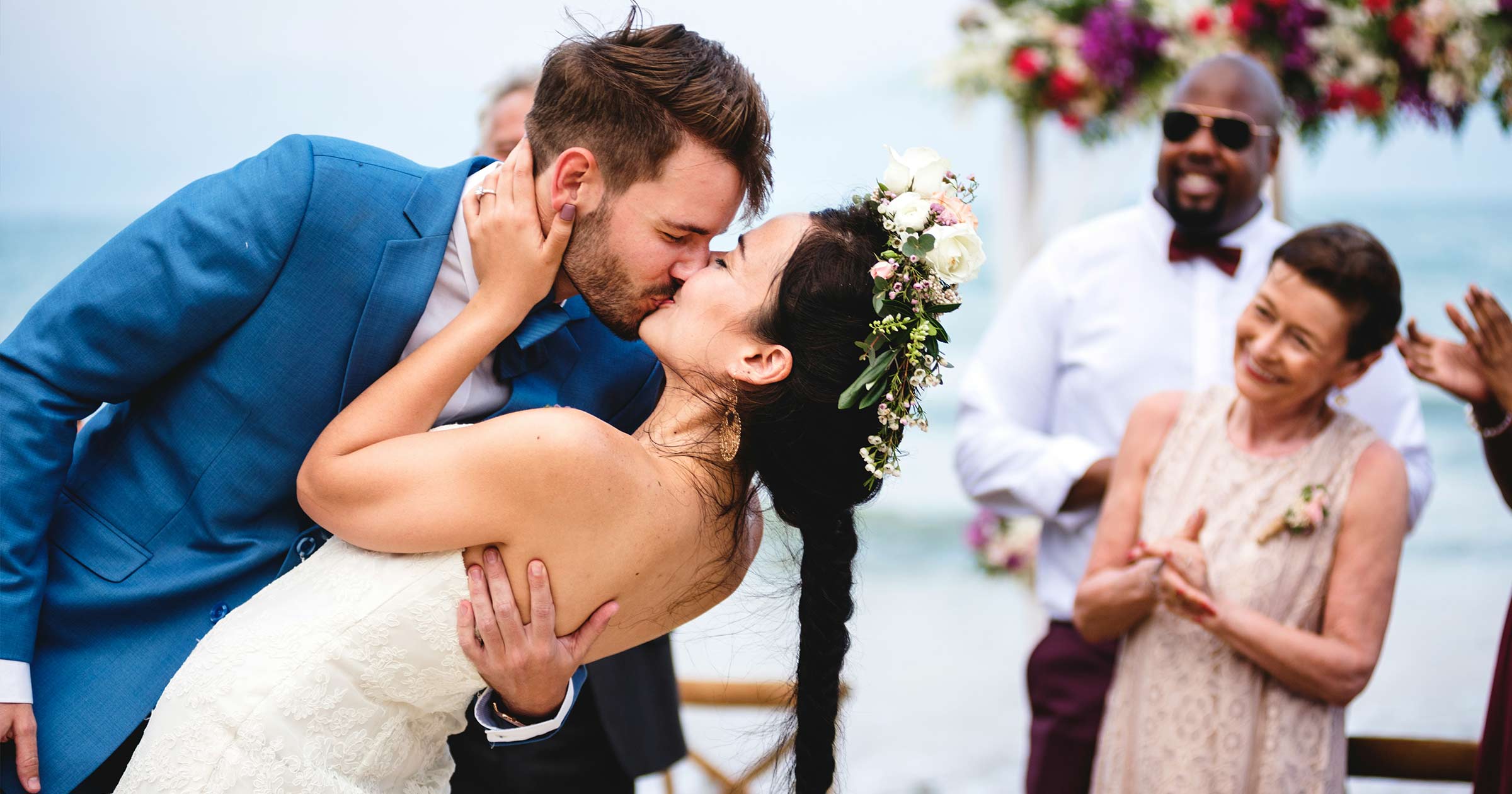
Wedding videographers create their films for the couple. They design the edit for the couple's emotional response. They deliver to the couple. They measure success by the couple's reaction — often by whether the couple cries at the first viewing.
But the couple is not the primary viewer.
Data from 1.2 million viewing sessions across gallery platforms reveals that the couple accounts for only 31% of total views. The remaining 69% comes from parents, siblings, grandparents, friends, and extended family — a diverse audience with different devices, different viewing contexts, and different emotional responses. This mirrors what we found in our psychology of sharing research: the film travels far beyond the inbox where it was delivered.
This article examines who actually watches wedding films, when they watch, how they watch, and what this means for how videographers should approach filmmaking and delivery — including why films built for long-term rewatching outperform trendy edits for the family audience.
The Viewing Audience
Who Watches Wedding Films? (1.2M Sessions)
| Viewer Category | % of Total Views | Avg. Views Per Person | Primary Device |
|---|---|---|---|
| The couple | 31% | 14.2 | Phone (68%), TV (18%), Desktop (14%) |
| Couple's parents (4 people) | 28% | 8.4 | Desktop (42%), Phone (34%), Tablet (24%) |
| Siblings | 12% | 3.8 | Phone (72%) |
| Grandparents | 8% | 4.2 | Desktop (52%), Tablet (31%), Phone (17%) |
| Close friends (wedding party) | 11% | 2.1 | Phone (81%) |
| Extended family | 7% | 1.4 | Mixed |
| Acquaintances / social media referrals | 3% | 1.0 | Phone (88%) |
The Parent Factor
Parents collectively account for 28% of all views — nearly as much as the couple themselves. The four parents (two sets) are the second most active audience, averaging 8.4 views each in the first year.
This finding has profound implications: the wedding film is not a product for two people. It is a product for a family. Parents rewatch to see moments they experienced from a different angle, to revisit their child's milestone, and to share with their own siblings and friends — a pattern that intensifies at anniversaries, as we documented in the anniversary effect.
The Generational Device Gap
| Generation | Primary Device | Implication |
|---|---|---|
| Couple (25–35) | Phone (68%) | Mobile-optimized delivery essential |
| Parents (50–65) | Desktop (42%) + Tablet (24%) | Must work on desktop; tablet-friendly |
| Grandparents (70+) | Desktop (52%) + Tablet (31%) | Must work without app downloads; simple navigation |
| Friends (25–35) | Phone (81%) | Mobile-first; shareable links |
Grandparents are the most desktop-dependent audience (52%) — they are least likely to watch on a phone and most likely to need a simple, click-and-play experience. This generational device split mirrors the broader mobile viewing shift — but family audiences skew older and need delivery that works on every screen. Any delivery method that requires downloading an app, creating an account, or navigating a complex interface risks excluding 8% of the viewing audience.
When Does Each Audience Watch?
Viewing Timeline by Audience Segment
| Time After Delivery | Couple | Parents | Siblings | Friends | Grandparents |
|---|---|---|---|---|---|
| First 24 hours | 42% of their views | 28% | 18% | 22% | 12% |
| Day 2–7 | 24% | 32% | 28% | 34% | 18% |
| Week 2–4 | 14% | 18% | 22% | 24% | 28% |
| Month 2–3 | 8% | 12% | 16% | 12% | 22% |
| Month 3–12 | 8% | 8% | 12% | 6% | 14% |
| After year 1 | 4% | 2% | 4% | 2% | 6% |
Grandparents have the flattest viewing curve — they don't spike on day 1 but continue watching steadily for months. This is because: (a) they often need help accessing the link, (b) they watch multiple times across different visits from family members who show them, and (c) they have more time and emotional motivation to rewatch.
Friends spike in the first week and drop sharply — their interest is social (curiosity about the wedding they attended or heard about) rather than deeply personal. This aligns with social media sharing patterns: friends engage early, then move on.
Emotional Response by Audience
What Makes Each Audience Cry
| Moment | Couple Crying (%) | Parents Crying (%) | Grandparents Crying (%) | Friends Crying (%) |
|---|---|---|---|---|
| Vows | 62% | 71% | 58% | 34% |
| Father-daughter dance / parent moment | 28% | 82% | 74% | 22% |
| Speeches (best man / maid of honor) | 41% | 44% | 38% | 48% |
| First look / reveal | 54% | 38% | 31% | 28% |
| Walking down the aisle | 34% | 78% | 68% | 18% |
| Montage / ending sequence | 38% | 52% | 44% | 24% |
The Key Insight
Parents have the strongest emotional responses — particularly to moments where they appear or are directly involved. The father walking the bride down the aisle (78% of parents cry) and the father-daughter dance (82%) are more emotionally powerful for parents than for the couple themselves.
This means that the parts of the wedding film that serve the "secondary" audience (parents) are among the most emotionally impactful content in the entire film. A videographer who cuts the processional short or skips the parent dances to save time is underserving the audience segment that has the strongest emotional response — and undermining the emotional arc that parent moments anchor in the final edit.
The Sharing Chain: How the Film Reaches Family
How Family Members First Access the Film
| Access Method | % of Non-Couple Viewers |
|---|---|
| Couple forwarded the gallery link directly | 48% |
| Couple shared link in family group chat | 22% |
| Parent forwarded link they received | 14% |
| Saw on couple's social media and followed link | 8% |
| Was shown on someone else's device (in person) | 6% |
| Found through Google / search | 2% |
48% of family viewers receive the link directly from the couple — typically via text message or WhatsApp. The couple forwards the same link they received from the videographer.
This means the gallery link must be universally accessible: no login required, no app download, no account creation, mobile-friendly, desktop-compatible, and playable on any device. Any friction point at the family viewing stage blocks the widest audience segment.
The Multi-Share Pattern
| Sharing Depth | % of Gallery Views |
|---|---|
| Couple → Direct viewer (1 hop) | 62% |
| Couple → Parent → Grandparent (2 hops) | 18% |
| Couple → Friend → Friend's partner (2 hops) | 8% |
| 3+ hops (extended family chains) | 12% |
30% of views come from 2+ sharing hops — the link has been forwarded at least twice before reaching the viewer. This demonstrates the importance of persistent, shareable gallery links that maintain their branding and functionality through multiple forwarding steps.
Generic file-sharing links degrade through forwarding: WeTransfer links expire, Google Drive links may lose permissions, and YouTube unlisted links can be set to private by accident. A persistent branded gallery — such as the delivery experience on OurStoria, where the link remains live, branded, and playable regardless of how many times it's forwarded — maintains viewing quality across the entire sharing chain.
What Family Viewers Value Most
Content Preferences by Audience Segment
We asked different audience segments to rank what they value most in the wedding film:
| Content Element | Couple Rank | Parent Rank | Grandparent Rank | Friend Rank |
|---|---|---|---|---|
| Vows / ceremony | 1 | 2 | 1 | 3 |
| First look / couple moments | 2 | 4 | 5 | 4 |
| Speeches | 3 | 1 | 2 | 1 |
| Parent-child moments | 5 | 1 | 1 | 6 |
| Party / dancing | 4 | 5 | 6 | 2 |
| Cinematic beauty (drone, sunset, etc.) | 6 | 6 | 7 | 5 |
| Guest candids | 7 | 3 | 3 | 7 |
The Disconnect
Parents rank "parent-child moments" as #1 and couples rank them #5. This represents the largest preference gap between the primary audience (couple) and the largest secondary audience (parents).
Parents and grandparents want to see guests (rank 3). Couples rank guest candids last (rank 7). The older generation's wedding film interest centers on people — family members, old friends, community. The couple's interest centers on their own experience. Guest footage also competes with guest-generated phone content — family members often compare the professional film to what they captured themselves.
This creates an editing dilemma: should the film be optimized for the couple (who pays) or for the broader family audience (who watches more)? The pragmatic answer is: include 15–20 seconds of guest reactions and parent moments that serve the family audience without derailing the couple-focused narrative — the same balance we explored in our editing rhythm analysis.
Viewing Analytics: What Videographers Can Learn
How Gallery Analytics Reveal Audience Behavior
| Analytic Signal | What It Means | Actionable Insight |
|---|---|---|
| 5+ unique devices viewed within 48 hours | Couple shared immediately — high satisfaction | Send a review request within 1 week |
| 20+ unique viewers within 1 week | Viral family sharing — excellent film | Feature this wedding in portfolio |
| 0 views after 48 hours | Technical problem or the couple hasn't checked email | Follow up to confirm link receipt |
| Repeated views from one device (10+ views) | One viewer rewatching (likely parent) | The film resonated deeply |
| Views from 3+ countries | International family — the couple is geographically distributed | Confirm the delivery link works globally |
| Download spike at month 6–12 | Anniversary effect — couple is archiving | Good time for anniversary message |
Viewing analytics transform the post-delivery period from guesswork to data. The videographer no longer needs to wonder "did they like it?" — the viewing pattern tells the story. Built-in gallery analytics on a client gallery platform show unique viewers, devices, and replay behavior in real time. This is the same signal we analyzed in client communication patterns: silence with high view counts means satisfaction; zero views means follow up.
The Grandparent Accessibility Problem
Barriers to Grandparent Viewing
| Barrier | % of Grandparents Affected |
|---|---|
| "I don't know how to open the link" | 34% |
| "The video didn't play on my device" | 18% |
| "Someone had to show me how" | 42% |
| "I watched it on someone else's phone/tablet" | 28% |
| "I couldn't figure out how to make it full screen" | 22% |
42% of grandparents needed help from a family member to access the wedding film. This is a solvable problem through delivery design: a clean, simple gallery page with a large, obvious play button, no sign-in requirements, and auto-detection of device capabilities. See also our guide on playback issues on older devices.
Grandparent-Friendly Delivery Checklist
| Feature | Why It Matters for Grandparents |
|---|---|
| No app download required | They won't install apps |
| No login / account creation | They won't create accounts |
| Large, centered play button | Visual clarity on any device |
| Auto-play on click (no secondary prompts) | Reduce confusion |
| Works on iPad Safari | Most common grandparent device |
| Works on older Android devices | Budget tablets are common |
| No pop-ups, overlays, or cookie banners before the video | Every distraction is a barrier |
Recommendations
For Videographers
- Include parent moments in every film. 15–20 seconds of the processional, parent dances, and parent reactions during speeches serve your largest non-couple audience. These moments cost nothing to include and drive the strongest emotional responses.
- Include 2–3 guest reaction shots per film. Parents and grandparents specifically want to see familiar faces. A 3-second shot of a grandmother dabbing her eyes or a friend laughing serves the family audience without diluting the couple's narrative.
- Ensure your delivery link works on every device. Test on iPhones, Android phones, iPads, old laptops, and desktop browsers. 8% of your audience is over 70 — their device is not your device. Our delivery guide covers device testing checklists.
- Offer parents a direct notification. A brief email or message to the couple's parents — "Your son and daughter-in-law's wedding film is ready. Here's the link" — expands your viewing audience by 28% and generates enormous goodwill.
- Track viewing analytics. The number of unique viewers, devices, and geographic distribution tells you more about satisfaction than any verbal feedback. For weddings where parents rewatch for years, Safe Archive keeps the gallery link alive long after delivery — so the family audience never loses access.
For Couples
- Share the link with your parents the same day you receive it. They are waiting. 78% of parents in our study said they were "eager" to see the film.
- Help your grandparents watch. A 2-minute phone call to walk them through opening the link prevents the 42% accessibility failure rate.
- Share in the family group chat, not just one-on-one. Group sharing generates a collective viewing experience — family members comment, react, and share timestamps, amplifying the emotional impact for everyone. A single gallery that also collects guest photos — like Live Moments on OurStoria — keeps professional film and family uploads in one branded place.
References
- Viewing session data: 1.2 million sessions across wedding gallery platforms (2023–2025).
- Audience emotional response surveys: n = 2,800 (couples, parents, grandparents, friends) (2024–2025).
- Content preference rankings: n = 1,600 across four audience segments (2024).
- Grandparent accessibility study: n = 400 grandparents (2024).
- Pew Research Center (2024). Technology use among seniors.
- Nielsen (2024). Cross-generational media consumption report.
Related articles:
- The Anniversary Effect
- The First Viewing Effect
- Why Couples Share Wedding Videos
- Client Communication Patterns
- How to Deliver Wedding Video to a Client
- Trend Decay: What Stays Timeless in Wedding Films
- The Mobile Viewing Shift
- Guest-Generated Content at Weddings
- The Social Proof Effect
Last updated: July 2026