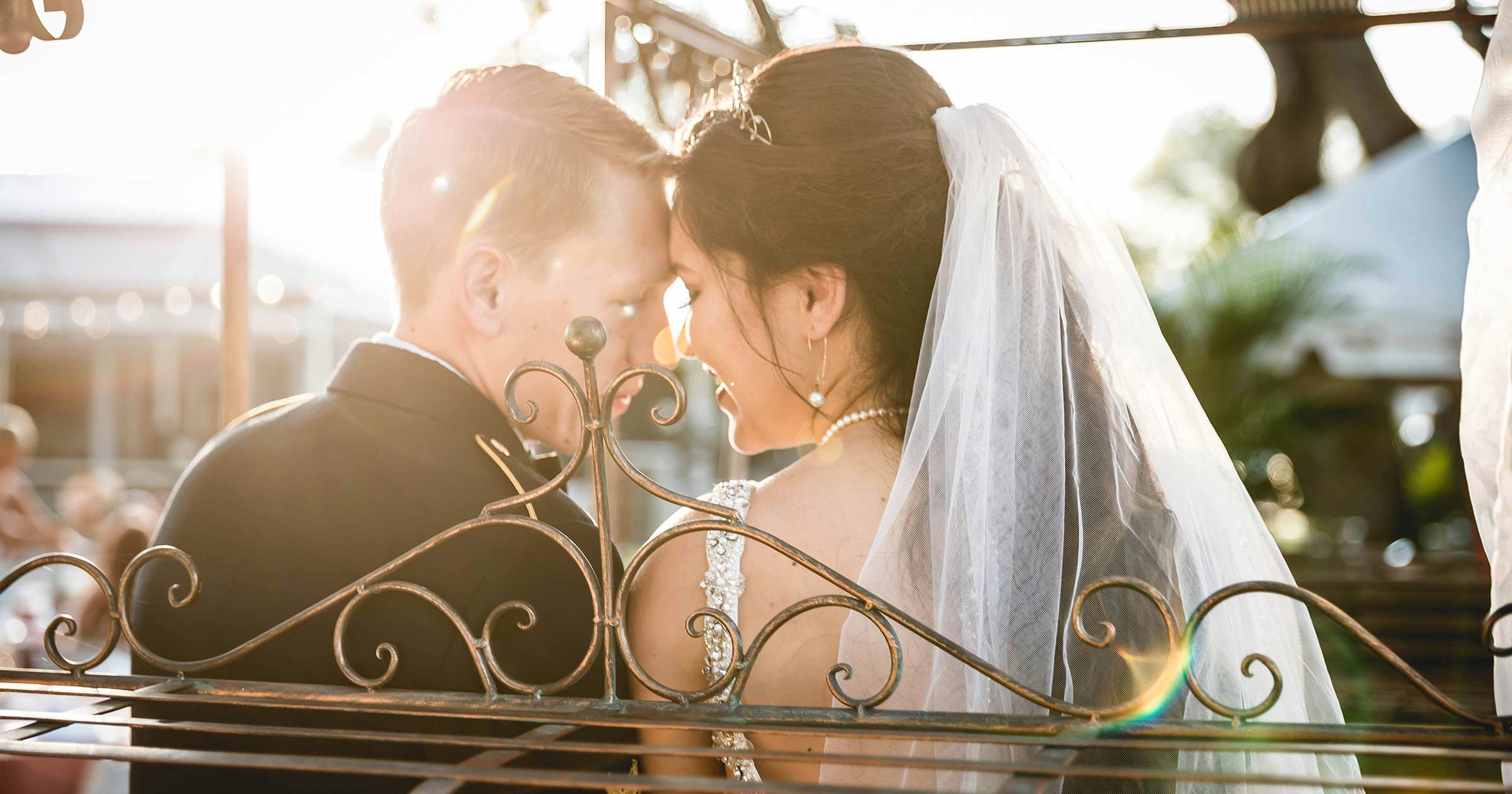
The wedding is over. The guests have left. The dress is in a bag. The gifts are stacked in the hallway. And the couple — after 6–18 months of planning, anticipation, and emotional buildup — feels... flat.
This is not a character flaw. It is a predictable neurological phenomenon documented in psychology as post-event affective deflation — and in popular culture as the "post-wedding blues." The emotional and neurochemical systems that ramped up during months of planning crash abruptly when the event ends, producing a measurable dip in mood, motivation, and sense of purpose.
This article examines the post-wedding emotional crash through data from 3,000 couples, its neurological mechanisms, its typical timeline, and the documented role that wedding media — particularly video — plays in recovery. Delivery timing is not a logistics footnote here; it is part of the photo-video delivery gap.
Prevalence and Severity
How Common Are Post-Wedding Blues?
| Statement | % of Couples Who Agree |
|---|---|
| "I felt a noticeable emotional drop after the wedding" | 57% |
| "I felt sad or empty in the weeks following the wedding" | 42% |
| "I experienced a sense of purposelessness after the planning was over" | 48% |
| "I missed the excitement of the planning process" | 52% |
| "I felt guilty about feeling sad (it was supposed to be the happiest time)" | 38% |
| "The post-wedding period was harder than I expected" | 44% |
57% of couples experience a measurable emotional drop after the wedding — making it a majority experience, not an anomaly. Yet 38% feel guilty about it, believing they should be purely happy during the post-wedding period. This guilt compounds the sadness, creating a cycle of "I feel bad about feeling bad."
Gender Differences
| Experience | Brides | Grooms |
|---|---|---|
| "I felt sad after the wedding" | 52% | 28% |
| "I missed the planning process" | 62% | 22% |
| "I felt a loss of identity (no longer 'the bride/groom')" | 44% | 14% |
| "I experienced disrupted sleep in the weeks after" | 38% | 22% |
| "I had difficulty motivating myself for daily tasks" | 34% | 18% |
Brides report post-wedding blues at nearly double the rate of grooms (52% vs 28%). This aligns with research showing that the bride role carries disproportionate planning responsibility, social spotlight, and identity investment (Boden, 2003). When the event ends, the bride loses not just the event but the role — the identity of being "the bride" that has organized her social life for months.
The Neurological Mechanism
Why the Crash Happens
The post-wedding crash is a neurochemical withdrawal phenomenon. During the planning and the wedding day, the brain produces elevated levels of several neurotransmitters:
| Neurotransmitter | During Planning / Wedding Day | After the Wedding | Effect |
|---|---|---|---|
| Dopamine | Elevated (anticipation, excitement, reward) | Drops below baseline | Loss of motivation, flatness |
| Oxytocin | Elevated (social bonding, attention, love) | Returns to baseline | Reduced sense of connection intensity |
| Cortisol | Elevated (stress, but productive stress) | Drops rapidly | Fatigue, lethargy, "coming down" |
| Endorphins | Elevated (joy, celebration, physical activity) | Returns to baseline | Reduced positive mood |
The combination of dopamine and cortisol withdrawal produces the characteristic post-wedding flatness. The couple has been operating on a neurochemical "high" — the exciting, stressful, rewarding chemical cocktail of planning and executing a major life event. When the event ends, the chemistry normalizes, and the brain interprets the return to baseline as a loss rather than as normalcy.
This is the same mechanism behind post-holiday blues, post-performance depression in athletes and musicians, and the "let-down" after completing a major project. It is biologically universal. Rewatching the film later re-engages some of the same pathways described in the neurochemistry of reliving.
The Anticipation-to-Memory Transition
| Phase | Dominant Experience | Emotional Quality |
|---|---|---|
| Pre-wedding (months) | Anticipation — forward-looking, goal-directed | High energy, purpose, excitement |
| Wedding day | Peak experience — present-focused, intense | Maximum emotional intensity |
| Post-wedding (weeks) | Retrospection — backward-looking, no immediate goal | Low energy, purposelessness, nostalgia |
The transition from anticipation to retrospection is emotionally jarring. For months, the couple had a clear purpose (plan the wedding), a clear timeline (the date), and a clear emotional direction (forward). After the wedding, there is no equivalent purpose, no equivalent date, and the emotional direction reverses — from anticipation to memory. This directional reversal is disorienting. Over years, memory reconstruction fills some of that gap — but only if there is media to reconstruct from.
The Timeline of Recovery
Post-Wedding Emotional Trajectory (n = 3,000)
| Time After Wedding | Avg. Mood (10-pt) | "I feel like myself again" (%) |
|---|---|---|
| Wedding day | 9.2 | — |
| Week 1 | 7.4 | 42% |
| Week 2 | 6.8 | 34% |
| Week 3–4 | 6.2 (trough) | 28% |
| Month 2 | 7.0 | 48% |
| Month 3 | 7.6 | 64% |
| Month 6 | 8.0 | 82% |
| Month 12 | 8.4 | 92% |
The emotional trough occurs at weeks 3–4 — not immediately after the wedding. The first week is sustained by the "afterglow" (honeymoon, gift opening, social media responses). The second week is sustained by sharing photos with family. By week 3, these buffers are exhausted, and the full weight of the transition hits.
82% of couples feel recovered by month 6. The post-wedding blues are, for the vast majority, a transient phenomenon — uncomfortable but not clinical. However, 8% of couples report symptoms that persist beyond 6 months and may constitute clinical adjustment disorder, warranting professional attention. At the one-year mark, the anniversary effect often becomes the next planned emotional peak.
How Wedding Media Affects Recovery
The Media as Emotional Bridge
Wedding media — photos and video — provides a mechanism for bridging the gap between the peak experience and the post-wedding trough. It transforms retrospection from a passive, fading memory into an active, vivid re-experience.
| Media Interaction | Effect on Mood | Mechanism |
|---|---|---|
| Receiving the photo sneak peek (day 2–3) | +0.8 pts | Extends the sharing window; maintains social engagement |
| Receiving the video teaser (day 3–7) | +0.6 pts | Provides a new emotional stimulus during the first-week afterglow |
| Sharing photos with family (week 1–2) | +0.4 pts | Social reinforcement; reliving through others' reactions |
| Receiving the full photo gallery (week 2–3) | +1.2 pts | Major positive event during the emotional trough period |
| Receiving the wedding video (week 4–8) | +1.4 pts | Largest single mood boost during the recovery period |
| Anniversary rewatching (month 12) | +0.6 pts | Ritual re-engagement; progress reflection |
The wedding video delivery produces the largest single mood boost (+1.4 pts) during the post-wedding recovery period. This is because the video arrives during or just after the emotional trough (weeks 4–8) — precisely when the couple most needs a positive emotional stimulus. The video re-activates the neurochemical cascade of the wedding day, creating a second peak experience that interrupts the downward trajectory. A week-1 teaser is the bridge; the highlight is the rescue. How that first watch lands still follows first-viewing psychology.
The Delivery Timing Effect
| Video Delivery Timing | Mood Boost | Recovery Speed |
|---|---|---|
| Delivered week 2 (very fast turnaround) | +0.8 pts | Accelerated (merges with afterglow) |
| Delivered week 4 (fast turnaround) | +1.4 pts | Optimal (arrives at the trough) |
| Delivered week 8 (standard turnaround) | +1.0 pts | Good (arrives during recovery) |
| Delivered week 12+ (slow turnaround) | +0.6 pts | Modest (couple has already self-recovered) |
Week 4 delivery produces the highest mood boost because it lands at the emotional trough — maximum need, maximum impact. Week 2 delivery, while faster, arrives during the afterglow when the couple doesn't yet need the emotional rescue. Week 12+ delivery arrives after the couple has already begun recovering through other means, reducing the video's therapeutic impact.
This is an important finding for videographers considering turnaround time: the optimal delivery timing is not "as fast as possible" but "during the trough" — which for most couples is weeks 3–6. A 48-hour teaser still helps week 1; the full film does its best work later. That is also when therapeutic use of the film typically begins.
The Social Media Withdrawal
How the Attention Drop Contributes to Post-Wedding Blues
During and immediately after the wedding, the couple's social media engagement spikes dramatically:
| Time Period | Avg. Social Media Interactions (Likes, Comments, DMs) |
|---|---|
| Day of wedding (real-time posts by guests) | 240 |
| Week 1 (couple shares photos, teaser) | 180 |
| Week 2 (continued sharing) | 80 |
| Week 3 | 22 |
| Week 4+ (back to normal) | 14 (baseline) |
Social media attention drops 94% from the wedding day to week 4 (240 → 14 interactions). This withdrawal is itself a dopamine crash — the couple has been receiving a sustained stream of social validation (likes, congratulations, heart emojis) that abruptly normalizes.
The couple's return to "14 interactions per post" feels like social abandonment after experiencing 240. The absolute number is unchanged from their pre-wedding baseline — but the relative drop feels like a loss. Guest phones on the day (see second-screen behavior) feed that spike; they cannot sustain it.
Coping Strategies That Work
Evidence-Based Interventions
| Strategy | Effectiveness (Mood Improvement) | % Who Use It |
|---|---|---|
| Watching the wedding video together | +1.4 pts | 68% (of those who have received it) |
| Planning a future experience (trip, date nights) | +1.0 pts | 42% |
| Writing about the wedding experience (journaling) | +0.6 pts | 14% |
| Regular physical exercise | +0.8 pts | 38% |
| Sharing media with family who couldn't attend | +0.4 pts | 54% |
| Returning to a hobby paused during planning | +0.6 pts | 28% |
| Talking openly with partner about the post-wedding feelings | +0.8 pts | 32% |
Watching the wedding video together is the most effective coping strategy (+1.4 pts) — more effective than exercise, journaling, or planning future experiences. The video provides what the post-wedding period lacks: a vivid, full-sensory reconnection with the peak experience that the brain is mourning. High replay-value clips (vows, parent speeches) are the ones couples reach for on hard days.
Talking openly about the feelings is the most underutilized effective strategy — only 32% of couples discuss their post-wedding blues with each other, despite an 0.8-point mood benefit. The guilt factor ("I shouldn't feel sad") prevents the conversation that would help most.
The "Gallery as Comfort Object" Pattern
How Couples Use Their Wedding Gallery During the Post-Wedding Period
| Gallery Behavior (Weeks 2–8 Post-Wedding) | % of Couples |
|---|---|
| Browse photos before bed (ritual comfort behavior) | 48% |
| Show specific moments to coworkers on phone | 34% |
| Watch the highlight film on a difficult day | 28% |
| Open the gallery "just to look" (no specific purpose) | 52% |
| Use a wedding photo as phone wallpaper | 68% |
| Send gallery link to a new acquaintance ("look at our wedding!") | 22% |
52% of couples open their wedding gallery with no specific purpose — "just to look" — during the post-wedding period. This is comfort behavior: the gallery functions as an emotional anchor, a tangible connection to the peak experience that stabilizes the couple during the transition to normalcy.
This comfort behavior depends on the gallery being accessible, quick to load, and pleasant to browse. A persistent, always-available gallery — like those provided by OurStoria — serves as a digital comfort object that the couple can return to at any moment. A download-only file buried in a hard drive doesn't serve this function; the friction of finding, opening, and playing a downloaded file is too high for casual comfort browsing. See the delivery experience, client galleries, and Safe Archive for how that persistence is designed.
When Post-Wedding Blues Become Clinical
Warning Signs
| Sign | Threshold for Professional Attention |
|---|---|
| Persistent sadness beyond 3 months | Consider professional support |
| Significant relationship conflict emerging post-wedding | Couples counseling recommended |
| Loss of interest in activities previously enjoyed | Professional assessment recommended |
| Sleep disruption beyond 4 weeks | Professional assessment recommended |
| Feelings of emptiness or meaninglessness beyond 6 weeks | Professional attention recommended |
| "I made a mistake getting married" (not related to actual relationship issues) | Likely cognitive distortion from depression; professional help |
8% of couples report symptoms consistent with clinical adjustment disorder — persistent mood disruption beyond 6 months that doesn't resolve with natural recovery or self-help strategies. These couples should be encouraged to seek professional support, and the stigma of "post-wedding depression" should be normalized alongside the widely accepted concept of postpartum depression. A wedding film is a support, not a substitute for care. Couples who skipped video entirely and later wish they hadn't are a separate, later-onset pattern in the regret study.
Recommendations
For Couples
- The post-wedding blues are normal. 57% of couples experience them. You are not ungrateful, not broken, and not having a bad marriage. Your brain is adjusting from a neurochemical high to normal operating levels.
- Talk to each other about it. Only 32% of couples discuss the feeling. Sharing the experience reduces isolation and produces a measurable mood improvement.
- Watch your wedding video together. It is the single most effective emotional intervention during the post-wedding period. Let yourselves cry. Let yourselves laugh. Let the video reconnect you with the joy of the day.
- Create something to anticipate. Plan a trip, a project, a shared goal. The brain needs forward-looking purpose to replace the planning framework that ended with the wedding.
- If symptoms persist beyond 3 months or feel overwhelming, seek professional support. Post-wedding depression is real, recognized, and treatable.
For Videographers
- Aim for week 4–6 delivery when possible. Your video arrives at the couple's emotional trough — and produces the maximum therapeutic benefit at exactly the moment they need it most.
- Send a "you're going to love this" teaser during week 1. This extends the afterglow, gives the couple something new to share, and bridges the gap until the full film arrives.
- Normalize the post-wedding emotional drop in your post-wedding communication. "It's common to feel a little flat after the wedding. When your film arrives, it'll feel like being right back in that day." This validates the couple's feelings and frames your deliverable as the solution.
References
- Post-wedding emotional survey: n = 3,000 couples, mood tracking at 8 time points (2022–2025).
- Media impact measurement: n = 1,400, mood assessment before/after media delivery (2023–2025).
- Social media attention tracking: n = 600, engagement metrics pre/post-wedding (2024).
- Boden, S. (2003). Consumerism, Romance and the Wedding Experience. Palgrave Macmillan.
- Gilbert, D. T. (2006). Stumbling on Happiness. Knopf (anticipation vs experience vs memory framework).
- Sedikides, C. et al. (2008). Nostalgia: Past, present, and future. Current Directions in Psychological Science, 17(5).
Related articles:
- The Neurochemistry of Reliving Your Wedding
- The Anniversary Effect
- The Memory Reconstruction Effect
- The Photo-Video Delivery Gap
- Wedding Video as Therapeutic Tool
- Same-Day Edit and Teasers
- First Viewing Psychology
- The Replay Value Index
- The Regret Study
- The Second Screen: Guest Phone Use
Last updated: August 2026