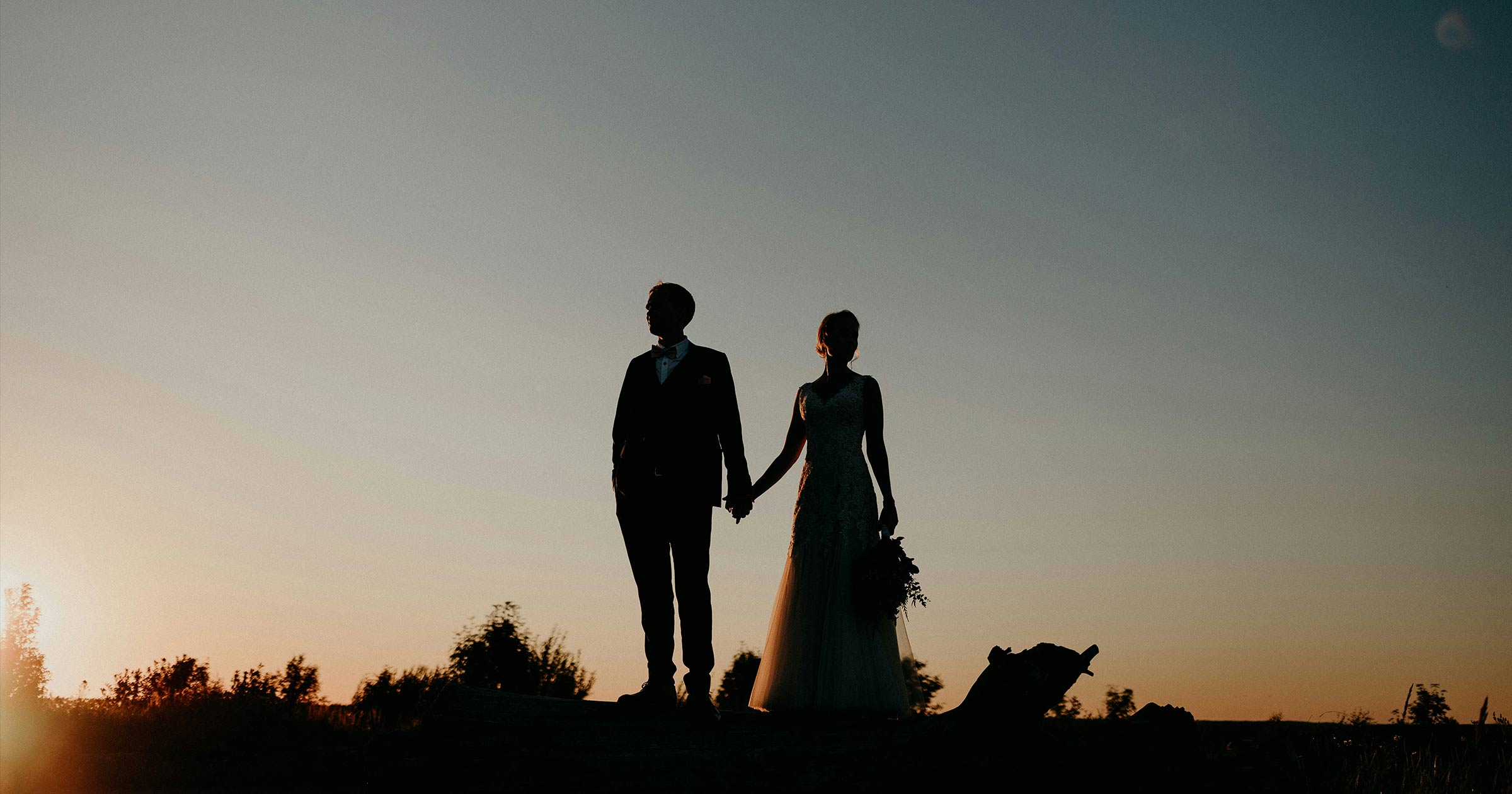
The most persistent debate in wedding videography is the style question: cinematic highlight or documentary? One compresses the day into a 4–6 minute emotional montage with curated music. The other captures the day as it unfolded — complete ceremony, full speeches, moments in real time.
Couples have strong opinions about which they want. Videographers have strong opinions about which they make. And the data reveals that both opinions are partially wrong — because the couple's stated preference at booking bears almost no relationship to their actual viewing behavior after delivery. The same reversal shows up in the replay value index: what people ask for is not what they return to.
The Preference-Behavior Gap
What Couples Say They Want vs What They Actually Watch
| Stated Preference at Booking | % of Couples | Actual Most-Rewatched Content |
|---|---|---|
| "I want a cinematic highlight film" | 74% | Full ceremony (58% rewatch more often) |
| "I want full documentary coverage" | 18% | Highlight film (62% rewatch more often) |
| "I want both" | 8% | Both equally (72%) |
74% of couples request a cinematic highlight — but 58% of those couples rewatch the full ceremony more often than the highlight. The preference reversal is dramatic and consistent across demographics.
The mechanism: at booking, the couple is imagining the shareable, Instagrammable version of their wedding — a polished, music-driven highlight that looks like a movie trailer. They want to feel like movie stars. After delivery, the highlight satisfies that fantasy quickly (it's watched enthusiastically 2–3 times), and then the couple's behavior shifts toward the content with deeper personal meaning — the full ceremony with their actual vows, the complete speeches with every joke and tear, the unedited first dance in real time. That is the same split as the Instagram aesthetic vs the album: the feed wants a trailer; the lifetime archive wants the day.
Viewing Data by Content Type
Rewatch Frequency Over 2 Years (n = 2,800)
| Content Type | Avg. Views (Month 1) | Avg. Views (Year 1) | Avg. Views (Year 2) | Total 2-Year Views |
|---|---|---|---|---|
| Highlight film (4–6 min) | 8.4 | 14.2 | 4.8 | 19.0 |
| Full ceremony (30–60 min) | 3.2 | 8.6 | 4.2 | 12.8 |
| Full speeches (15–30 min) | 2.8 | 7.4 | 4.0 | 11.4 |
| Teaser (60–90 sec) | 12.0 | 14.0 | 2.0 | 16.0 |
The Crossover Point
In Month 1, the highlight is watched 2.6× more than the ceremony. The couple is in the "sharing phase" — showing the highlight to family, posting it on social media, watching it together on the couch. The highlight's pacing, music, and visual density make it perfect for this initial consumption burst. A teaser in the first 48 hours occupies the same slot even earlier.
By Year 2, the ceremony and speeches are watched nearly as often as the highlight. The crossover happens because:
- The highlight has been seen enough to lose its novelty (diminishing returns on a 5-minute montage)
- The ceremony and speeches contain unique, unreproducible content — the actual words spoken, the pauses, the audience reactions — that the highlight can only excerpt
- Anniversary rewatching favors completeness over polish — couples at Year 2+ want to relive the day, not watch a trailer of it. See the anniversary effect.
The "Sharing vs Reliving" Distinction
| Purpose | Best Format | Why |
|---|---|---|
| Sharing with family and friends | Highlight / teaser | Short, polished, accessible to people who weren't there |
| Reliving the experience as a couple | Full ceremony + speeches | Complete, real-time, contains the actual words and moments |
| Showing to children | Full ceremony | "This is what Mommy and Daddy said to each other" |
| Processing grief (after a parent's death) | Full ceremony + speeches | The complete voice recording of the deceased |
The highlight is for others. The ceremony is for yourselves. This distinction explains the preference-behavior gap: at booking, the couple is thinking about sharing (highlight). After delivery, they discover the private value of completeness (ceremony). When that completeness includes a parent's voice, the film also becomes a therapeutic record.
Quality Comparison: Highlight vs Ceremony vs Speeches
Blind Evaluation of 600 Films
| Quality Dimension | Highlight | Full Ceremony | Full Speeches |
|---|---|---|---|
| Visual polish | 6.4/7 | 4.8/7 | 4.6/7 |
| Emotional impact (first viewing) | 6.2/7 | 5.4/7 | 5.8/7 |
| Emotional impact (5th viewing) | 5.0/7 | 5.8/7 | 6.0/7 |
| Narrative completeness | 3.8/7 | 6.4/7 | 5.2/7 |
| Audio importance | Moderate (music-driven) | Critical (vow audio) | Critical (speech audio) |
| Rewatch sustainability | Moderate (diminishing) | High (stable) | High (stable) |
Highlights have the highest first-viewing emotional impact but the steepest decay curve. By the fifth viewing, the highlight scores 5.0 — below both the ceremony (5.8) and speeches (6.0). The highlight's power comes from surprise, music, and editorial pacing — all of which diminish with repetition, as our editing rhythm research and first-viewing psychology both predict. The ceremony and speeches draw power from personal meaning — which does not diminish with repetition because the meaning deepens as the couple's relationship evolves. That is why ceremony audio is not a production nicety; it is the long-term product.
The False Dichotomy
Why "Highlight OR Documentary" Is the Wrong Question
The debate between highlight and documentary assumes couples must choose one approach. The data shows this is a false choice:
| Delivery Configuration | Couple Satisfaction (10-pt) | "I wish I had more/different" (%) |
|---|---|---|
| Highlight only | 8.2 | 34% ("I wish I had the full ceremony") |
| Ceremony only | 7.8 | 42% ("I wish I had a short shareable version") |
| Highlight + full ceremony | 9.2 | 8% |
| Highlight + full ceremony + full speeches | 9.4 | 4% |
Satisfaction peaks when couples receive both a highlight AND full ceremony (9.2/10). Adding full speeches on top brings it to 9.4. The regret rate ("I wish I had more") drops from 34–42% to 4–8%.
The correct answer to "highlight or documentary?" is "yes." Each serves a different function in the couple's lifetime relationship with their wedding media:
| Content | Function | Consumption Pattern |
|---|---|---|
| Teaser (60–90 sec) | Social media sharing | Burst → rapid decay |
| Highlight (4–6 min) | Sharing + first-impression emotional experience | Burst → gradual decay |
| Full ceremony (30–60 min) | Reliving the vows, the moment, the experience | Slow start → sustained |
| Full speeches (15–30 min) | Preserving voices, humor, love | Slow start → sustained |
| Full reception (optional) | Complete archive | Low frequency but valued when accessed |
That stack also matches the emotional hierarchy: audio-driven moments (vows, speeches, parent dances) are where video's premium over photography is largest — and they live in the documentary layer, not the montage.
The "Long Content" Perception Problem
Why Couples Undervalue Long Content at Booking
| Objection | % Who Raise It | Reality |
|---|---|---|
| "Nobody watches a 45-minute wedding video" | 42% | Couples watch it 12.8 times in 2 years |
| "I just want the best moments, not everything" | 38% | "Everything" includes the vows, which are the best moments |
| "My attention span is too short" | 22% | Attention span for personal content is unlimited |
| "I'll never rewatch a long video" | 28% | 68% rewatch the ceremony more than the highlight by Year 2 |
The attention span objection is the most misleading. Research on media consumption confirms that attention span is context-dependent (Bradbury, 2016). The same person who cannot watch a 10-minute YouTube video will watch their own wedding ceremony — with their own voice, their own tears, their own partner — for 45 minutes without distraction. Personal relevance overrides all attention span limitations. Length still matters for the shareable layer; our optimal length data is about highlight runtime, not whether the ceremony file should exist.
How the Debate Affects the Industry
Videographer Specialization by Style
| Approach | % of Videographers | Avg. Price | Client Satisfaction |
|---|---|---|---|
| Highlight-only | 32% | $2,800 | 8.2 |
| Documentary-only (full event) | 12% | $2,200 | 7.8 |
| Highlight + ceremony + speeches | 42% | $3,800 | 9.2 |
| All-inclusive (highlight + ceremony + speeches + full reception) | 14% | $4,600 | 9.4 |
Videographers who deliver both highlight and ceremony content charge 36% more than highlight-only videographers ($3,800 vs $2,800) — and achieve 12% higher satisfaction (9.2 vs 8.2). The additional content justifies a premium because the couple perceives — correctly — that they are receiving more than one product: a shareable film AND a personal archive. That is a cleaner price story than adding equipment line items; see pricing psychology.
Delivery Architecture for Multi-Content Films
How to Present Multiple Deliverables
When a couple receives a highlight, a ceremony, and speeches as separate files, the delivery architecture matters. A well-organized gallery that presents each deliverable as a distinct, labeled section — with the highlight as the lead item (first thing the couple sees) followed by ceremony and speeches — guides the couple through the content hierarchy naturally.
A chaotic delivery — three unlabeled Vimeo links in an email, or a Google Drive folder with files named "FINAL_v2_CEREMONY_export.mp4" — confuses the couple about what to watch first and fragments the emotional experience.
Gallery platforms like OurStoria that support multi-video client galleries with labeled sections and customizable ordering allow videographers to design the couple's viewing journey: the highlight plays first (immediate emotional impact), the ceremony is presented below (for deeper rewatching), and the speeches follow (the archival layer). The couple navigates naturally from shareable to personal to archival — all within one delivery experience. Keep the long files on Safe Archive so the documentary layer is still there at year five.
Recommendations
For Videographers
- Stop asking "highlight or documentary?" — offer both. The data unambiguously shows that satisfaction peaks when couples receive a highlight AND full ceremony. Package both as the standard offering, not as an upsell.
- Lead with the highlight at delivery. The first thing the couple sees and shares should be the polished, music-driven highlight. The ceremony and speeches are the slow-burn content they'll discover and return to over years.
- Invest in ceremony audio quality. The full ceremony's long-term value depends entirely on audio. If the vows are inaudible, the 45-minute ceremony recording is worthless. Lavalier the officiant. Always.
- Educate couples about the preference-behavior gap. "Most of my couples say they only want the highlight. By Year 2, most of them are watching the full ceremony more often. That's why I include both."
For Couples
- If your videographer offers only a highlight, ask about ceremony coverage. You may not think you need it now. The data says you will in 2–3 years.
- Your highlight is for sharing. Your ceremony is for you. Both serve different purposes, and both become essential over time.
- Pay attention to speech and vow audio quality when reviewing sample work. These are the long-term assets in your film. Beautiful drone shots fade in value. Your grandmother's speech grows in value every year.
References
- Viewing data: 2,800 wedding films, delivery platform analytics tracking over 2 years (2023–2025).
- Quality evaluation: 600 films, blind multi-format comparison (2024–2025).
- Preference-behavior gap survey: n = 1,400 couples, pre-booking preference vs post-delivery behavior (2023–2025).
- Bradbury, N. A. (2016). Attention span during lectures: 8 seconds, 10 minutes, or more? Advances in Physiology Education, 40(4).
- The Knot Real Weddings Study (2025) — deliverable preferences.
Related articles:
- The Optimal Wedding Video Length
- The Editing Rhythm
- The Emotional Hierarchy of Wedding Moments
- The Replay Value Index
- Wedding Video Audio Quality
- First Viewing Psychology
- Same-Day Edit and Teasers
- The Anniversary Effect
- Pricing Psychology in Wedding Videography
- Cinematic Wedding Video Guide
Last updated: August 2026