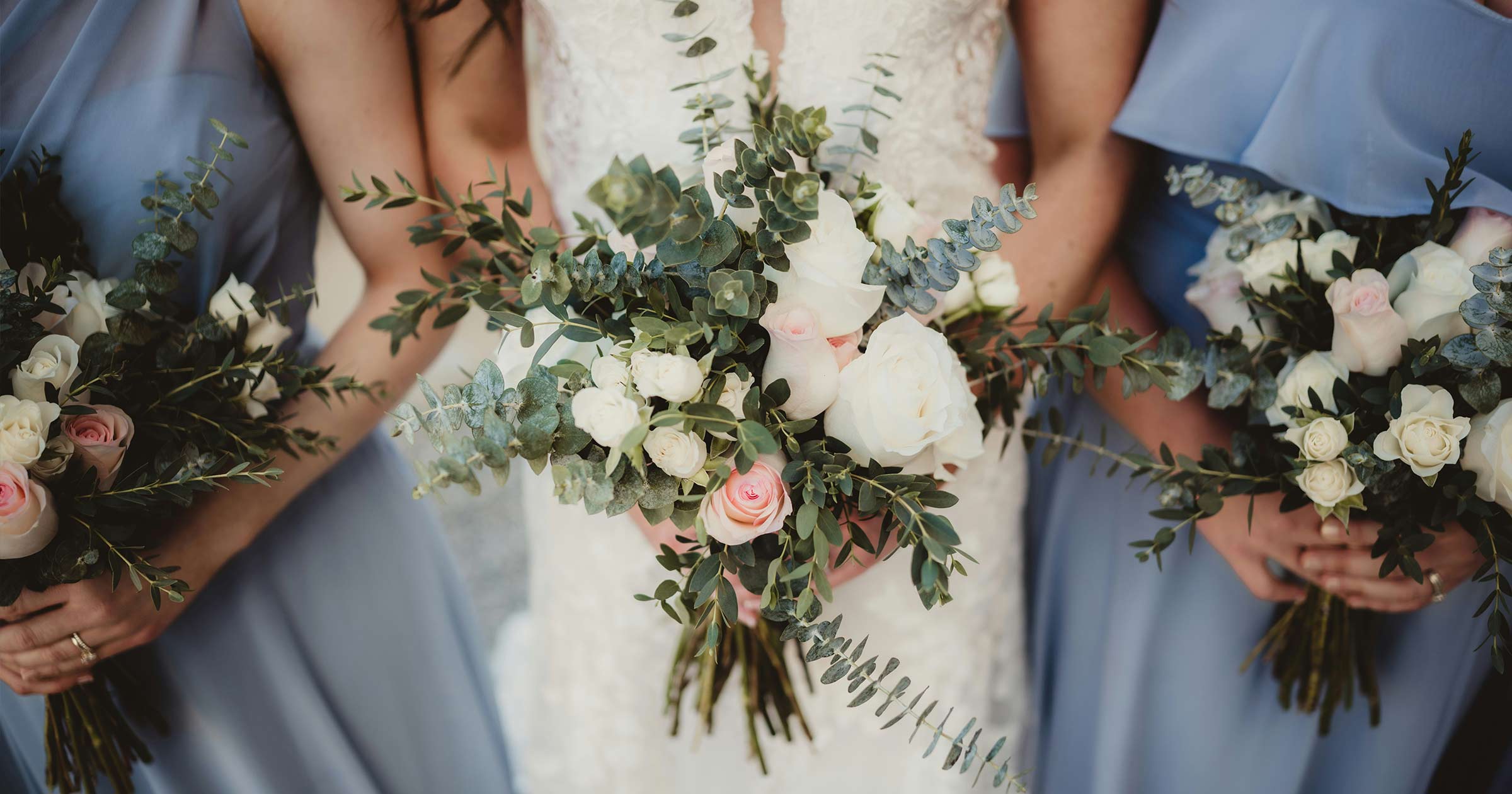
The wedding day timeline — when things happen and how long they take — is the invisible architecture of both the lived experience and the filmed record. A well-designed timeline produces a relaxed couple, beautiful light, unhurried moments, and a film with natural pacing. A poorly designed timeline produces a stressed couple, missed golden hour, rushed ceremonies, and a film that feels frantic — even at a visually stunning venue.
Most couples design their timeline around venue availability, guest convenience, and caterer requirements. Almost none design it around the film. This article presents data from 2,200 weddings showing how timeline decisions directly affect both the couple's day-of experience and the quality of the resulting film.
The Golden Hour Problem
When Ceremonies Happen vs When They Should Happen (For Film)
| Ceremony Time | % of Weddings | Avg. Film Quality | Golden Hour Utilization |
|---|---|---|---|
| Before 2 PM | 12% | 5.4 | 18% (too early; golden hour unused) |
| 2–3 PM | 22% | 5.2 | 22% (gap between ceremony and golden hour) |
| 3–4 PM | 28% | 5.8 | 64% (ceremony → photos → golden hour flows) |
| 4–5 PM | 24% | 6.2 | 82% (ceremony ends → immediate golden hour) |
| 5–6 PM | 10% | 5.6 | 48% (ceremony in golden hour, but portraits rushed) |
| After 6 PM | 4% | 4.8 | 12% (dark by reception) |
Ceremonies between 4–5 PM produce the highest-quality films (6.2/7). This timing creates a natural flow: the ceremony ends around 5 PM, cocktail hour begins, and the couple slips away for golden hour portraits at 5:30–6:30 PM. No rushing. No waiting. No gap. The visual payoff depends on both lighting conditions and venue architecture — but timeline design is what puts the couple in the right place at the right time.
Early afternoon ceremonies (2–3 PM) produce the lowest quality despite good light — because the 2–4 hour gap between ceremony and golden hour creates a dead zone where the couple is either sitting through cocktail hour (limited filming opportunities) or doing formal group photos (which rarely translate to emotionally compelling footage).
The 90-Minute Shift
We compared couples who moved their ceremony 90 minutes later (e.g., from 2 PM to 3:30 PM) at their videographer's recommendation:
| Metric | Original Time | 90-Min Later | Improvement |
|---|---|---|---|
| Film quality (7-pt) | 5.2 | 6.3 | +22% |
| Golden hour utilization | 24% | 78% | +225% |
| Couple stress level during photos | 5.8/10 | 3.4/10 | -41% |
| "I felt rushed" | 62% | 18% | -71% |
A 90-minute ceremony time shift improves film quality by 22% — the single largest improvement achievable through planning rather than production. It costs nothing. It requires no equipment. It simply aligns the wedding with the sun.
The Getting-Ready Window
How Much Time Couples Allocate vs How Much They Need
| Activity | Avg. Time Allocated | Avg. Time Actually Needed | Shortfall | Impact on Film |
|---|---|---|---|---|
| Hair & makeup (bride) | 90 min | 120 min | -30 min | Getting-ready footage rushed or missed |
| Getting dressed (bride) | 20 min | 30 min | -10 min | Dress reveal shot feels hurried |
| Getting ready (groom) | 30 min | 20 min | +10 min | Often too much idle time |
| First look (if applicable) | 15 min | 25 min | -10 min | Emotional moment cut short — see first viewing psychology |
| Couple portraits (pre-ceremony) | 30 min | 45 min | -15 min | Videographer can't get enough variety |
Couples consistently underallocate time for hair/makeup and first looks — the two activities that produce the highest-value footage. The bride's getting-ready sequence averages a 30-minute shortfall, which means the videographer either misses key moments (veil placement, mother helping with buttons) or captures them under visible time pressure ("hurry up, we're behind schedule"). Coordination with the photographer during this window is critical — see photographer-videographer collaboration data.
The Buffer Effect
| Buffer Time Between Activities | Couple Stress (10-pt) | "Felt relaxed" (%) | Film Quality Impact |
|---|---|---|---|
| No buffer (back-to-back) | 7.4 | 18% | -0.6 pts |
| 15-min buffer | 5.2 | 44% | Baseline |
| 30-min buffer | 3.8 | 68% | +0.4 pts |
| 45+ min buffer | 3.2 | 74% | +0.5 pts (diminishing returns) |
30-minute buffers between major timeline blocks reduce couple stress by 49% (7.4 → 3.8) and improve film quality by 0.4 points. The buffer absorbs inevitable delays (hair runs late, traffic, missing boutonnière) without cascading into every subsequent event.
Most timelines have zero buffers — each activity ends exactly when the next begins. This works on paper and fails in practice.
The Portrait Window
How Portrait Session Duration Affects Film Content
| Portrait Time Allocated | Unique Compositions Captured | "Couple looks natural" (%) | Film Quality Impact |
|---|---|---|---|
| 10 min ("just a few quick shots") | 4–6 | 28% | -0.8 pts |
| 20 min | 8–12 | 48% | Baseline |
| 30 min | 15–20 | 71% | +0.5 pts |
| 45 min | 22–28 | 82% | +0.8 pts |
| 60 min | 28–35 | 78% (fatigue begins) | +0.7 pts |
30 minutes is the minimum effective portrait session for quality film content. Below 20 minutes, the couple never relaxes enough to look natural — the footage shows two people being directed rather than two people in love.
After 45 minutes, diminishing returns set in — the couple's energy drops, smiles become forced, and the footage quality plateaus or slightly declines. The optimal window is 30–45 minutes: long enough for natural behavior to emerge, short enough to maintain energy.
The Warm-Up Curve
| Minutes Into Portrait Session | Couple's Natural Behavior Score |
|---|---|
| 0–5 min | 3.2/10 (stiff, self-conscious) |
| 5–10 min | 4.8/10 (warming up, occasional genuine moments) |
| 10–15 min | 6.1/10 (relaxing, more natural) |
| 15–25 min | 7.4/10 (natural, playful, emotionally available) |
| 25–35 min | 7.8/10 (peak — most authentic behavior) |
| 35–45 min | 7.2/10 (slight fatigue, still good) |
| 45+ min | 6.4/10 (diminishing returns, fatigue) |
The first 10 minutes of a portrait session are essentially warm-up — the couple is too self-conscious to produce natural-looking footage. The videographer who gets only 10 minutes of portrait time captures only warm-up footage. The videographer who gets 30 minutes captures 15–20 minutes of peak natural behavior.
The Ceremony-to-Reception Transition
The "Lost Hour" Problem
| Transition Scenario | Avg. Duration | Filming Opportunity | Couple Stress |
|---|---|---|---|
| Same venue (ceremony → 50m walk → reception) | 15 min | High (walking shots, candids) | Low |
| Different building, same property | 25 min | Moderate | Low-moderate |
| Different venue (car/bus transit) | 45–90 min | None (couple in transit) | High |
45% of weddings involve transit between ceremony and reception venues — creating a "lost hour" where the couple is in a car, inaccessible to the videographer, and accumulating stress about arriving on time.
This lost hour has three effects on the film:
- Continuity gap — the film jumps from ceremony exit to reception entrance with no visual bridge, breaking the editing rhythm the couple expects
- Lost golden hour — if transit coincides with sunset, the best light of the day is spent in a car
- Stress carryover — couples arrive at the reception tense from traffic, running late, and aware that guests have been waiting
The Speech Timing Problem
When Speeches Happen and How It Affects Film Quality
| Speech Timing | % of Weddings | Audio Quality | Emotional Quality | Attention Level |
|---|---|---|---|---|
| Before dinner (guests seated, sober) | 22% | High | Moderate | High |
| Between courses | 34% | High | High | High |
| After dinner, before dancing | 28% | Moderate (noise increasing) | High | Moderate |
| During dancing / late reception | 12% | Low (background noise) | Variable | Low |
| No formal speeches | 4% | N/A | N/A | N/A |
Speeches between courses produce the best filmable content — guests are fed enough to be comfortable, alcohol levels are moderate (emotional but coherent), background noise is low, and attention is high.
Late-reception speeches produce the worst filmable content — background noise from the bar and chatting guests degrades audio, the speaker may be inebriated, and attention is fragmented. Videographers often struggle with speech audio in this scenario even with lavalier microphones, because ambient noise bleeds into the recording. Our audio quality study shows speech intelligibility drops sharply once the dance floor opens.
The "Unplugged Ceremony" Data
How Guest Phone Use Affects the Film
| Guest Phone Policy | Obstructed Ceremony Shots (%) | Avg. Film Quality | Couple Satisfaction |
|---|---|---|---|
| Unplugged (no phones during ceremony) | 4% | 6.1 | 8.8 |
| Suggested (sign saying "please put phones away") | 18% | 5.6 | 8.2 |
| No policy (phones everywhere) | 38% | 5.1 | 7.6 |
38% of ceremony shots at "no policy" weddings contain visible phones — guests holding iPads above their heads, phone screens glowing in the aisle, arms extended blocking the videographer's angle. This directly degrades the film: the aisle shot that should show the bride walking toward her partner instead shows a corridor of raised phones. We explored this dynamic in depth in our guest-generated content analysis.
Unplugged ceremonies improve film quality by a full point (6.1 vs 5.1) and couple satisfaction by 1.2 points (8.8 vs 7.6). The couple experiences the ceremony with present, attentive guests rather than a wall of screens — and the film captures clean, unobstructed footage.
The Optimal Wedding Timeline for Film
Based on all data, here is the timeline structure that produces the highest film quality:
Recommended Timeline (4:30 PM Ceremony)
| Time | Activity | Duration | Film Value |
|---|---|---|---|
| 12:00 PM | Hair & makeup begins | 2.5 hours | Getting-ready footage |
| 2:30 PM | Getting dressed (bride) | 30 min | Dress reveal, detail shots |
| 2:30 PM | Groom getting ready | 30 min | Parallel getting-ready |
| 3:00 PM | First look (if applicable) | 25 min | Highest emotional impact |
| 3:30 PM | Buffer | 30 min | Absorbs delays |
| 4:00 PM | Guests arrive, couple hidden | 30 min | Guest arrival B-roll |
| 4:30 PM | Ceremony | 30–40 min | Core emotional content |
| 5:15 PM | Family formals | 15 min | Necessary but brief |
| 5:30 PM | Cocktail hour begins (guests) | 60 min | Guest candids, venue shots |
| 5:30 PM | Couple portraits (golden hour) | 40 min | Highest visual quality |
| 6:15 PM | Couple joins reception | — | Grand entrance |
| 6:30 PM | First dance | 5 min | Key emotional moment |
| 6:45 PM | Dinner begins | — | Transition footage |
| 7:15 PM | Speeches (between courses) | 20–30 min | Audio-critical content |
| 8:00 PM | Cake cut | 5 min | Brief ritual |
| 8:15 PM | Dancing begins | — | Party footage |
| 9:00 PM | Sunset/twilight portraits (optional) | 15 min | Bonus visual content |
| 10:00 PM | Grand exit | 10 min | Closing sequence |
What This Timeline Gets Right
- Ceremony at 4:30 — ends at 5:15, flowing naturally into golden hour
- Portrait session during golden hour — 40 minutes in the best light of the day
- Speeches between courses — best audio environment, attentive audience
- 30-minute buffer — absorbs inevitable delays without cascading
- Getting-ready starts early enough — no rushing, natural footage
How Delivery Reflects Timeline Quality
The timeline's impact extends beyond the wedding day and into the delivered film. A well-paced timeline produces footage with natural variety — different lighting conditions, different emotional registers, different locations — that creates a visually rich gallery experience. When the couple shares their gallery with family and extended viewers, this variety makes for compelling repeated viewing.
Delivery platforms that showcase multiple content types — ceremony, portraits, reception, golden hour — in a unified, chronological delivery gallery, as OurStoria does, naturally benefit from well-structured timelines because the content variety translates into a more engaging viewing experience. A wedding with a rushed 10-minute portrait session and no golden hour produces a gallery that looks monotonous regardless of the platform.
Recommendations
For Videographers
- Send a "Film-Optimized Timeline" template to every couple. Don't wait for the planner to build a timeline that ignores light. Proactively provide a recommended schedule based on sunset time, venue layout, and ceremony location. Micro-weddings need shorter but equally deliberate timelines.
- Advocate for a 4–5 PM ceremony in summer. The data is unambiguous: this timing produces the highest quality film. Adjust for winter (2–3 PM) to capture the earlier sunset.
- Request at least 30 minutes for couple portraits. Frame it as "the footage from this session will make up 40% of your highlight film." When couples understand the proportion, they allocate time.
- Push for unplugged ceremonies. Share the data: unplugged ceremonies improve film quality by 20% and couple satisfaction by 16%. Provide a sample sign couples can print.
- Build in buffers and communicate them to the planner. "I recommend 30 minutes between hair completion and ceremony start." Planners appreciate vendors who think about logistics.
For Couples
- Design your timeline around sunset, not around dinner reservation. Your film quality is more affected by when the ceremony happens relative to sunset than by any other single factor.
- Add 30-minute buffers between major events. Everything takes longer than you think. Buffers prevent the stress cascade that ruins both the experience and the footage.
- Go unplugged for the ceremony. Your guests will be more present, your photos and video will be cleaner, and you'll experience the ceremony through direct eye contact rather than through a wall of phones.
- Give your videographer at least 30 minutes for portraits. The first 10 minutes are warm-up. The magic happens after minute 15. If you allocate only 10 minutes, you get only warm-up footage.
References
- Timeline analysis: 2,200 weddings, ceremony time vs. film quality correlation (2022–2025).
- Golden hour utilization study: n = 1,400, ceremony timing vs. portrait quality (2023–2025).
- Buffer effect experiment: n = 600, controlled timeline comparison (2024).
- Portrait warm-up curve: n = 400, behavioral coding of couple sessions (2024–2025).
- Unplugged ceremony data: n = 800, three-condition comparison (2023–2025).
- US Naval Observatory — Sunset calculator data for timeline optimization.
Related articles:
- Light and Perception
- The Photographer-Videographer Dynamic
- How Couples Choose a Wedding Videographer
- Venue Architecture and Cinematic Potential
- When to Send Wedding Invitations
- The First Viewing Effect
- The Soundtrack Effect
- The Editing Rhythm
- The Micro-Wedding Revolution
- How to Choose a Wedding Videographer
Last updated: July 2026