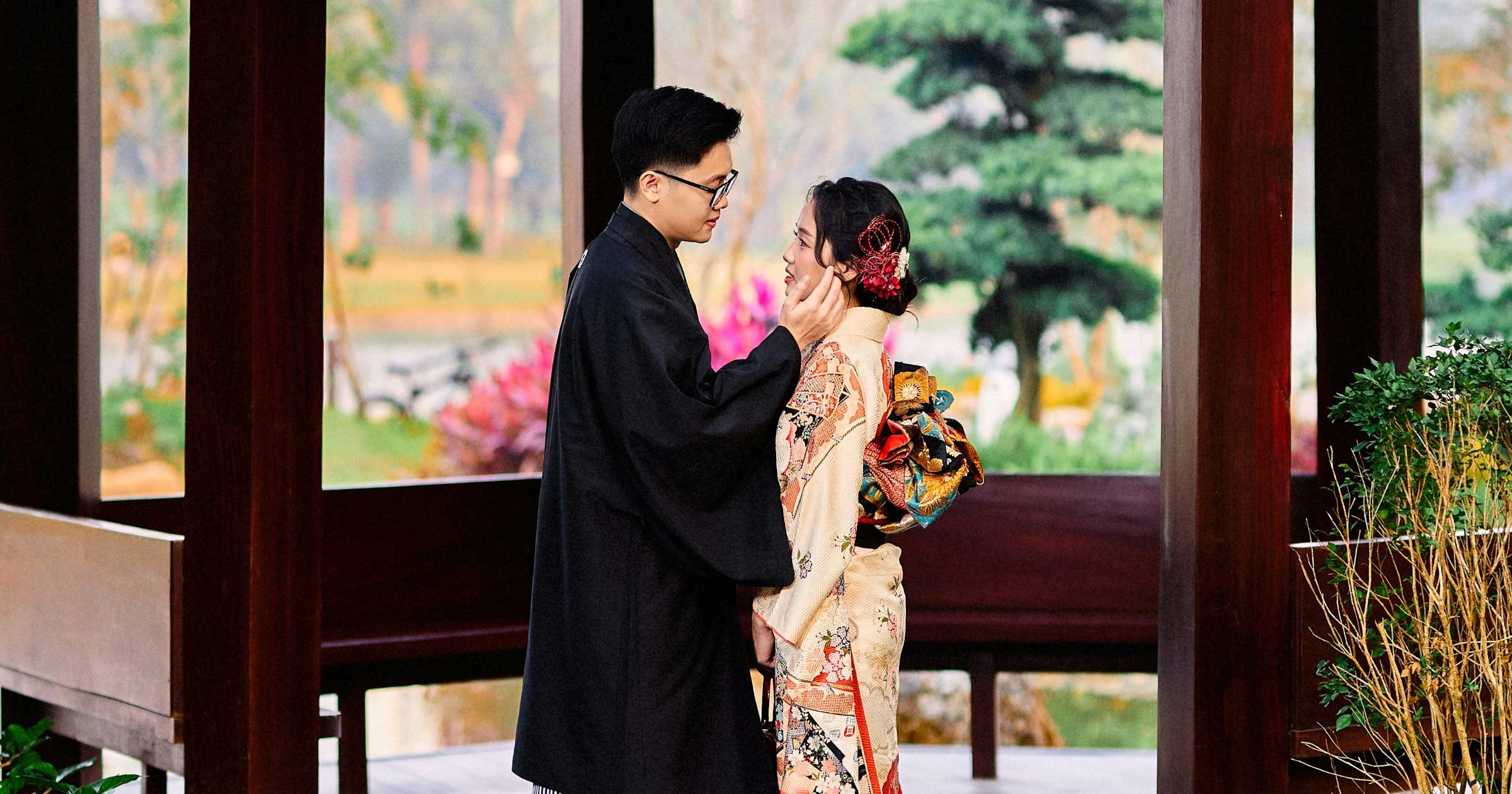
A videographer can bring the best camera, the best lenses, and a decade of experience — and still produce a mediocre-looking film if the venue works against them. Even the right equipment investments cannot compensate for a space with poor light, low ceilings, and no visual depth. Conversely, a relatively inexperienced videographer at a venue with dramatic natural light, soaring ceilings, and interesting geometry can produce footage that looks extraordinary.
This is because the venue is not just a backdrop. It is a collaborator — providing (or withholding) the light, depth, texture, and scale that make footage feel cinematic.
This article examines how specific architectural and spatial features of wedding venues affect the perceived quality of the resulting film, using blind evaluations of 1,600 wedding films across 280 unique venues.
The Venue Quality Index
How We Measured
We created a Venue Cinematic Index (VCI) based on five spatial characteristics, each rated 1–7 by professional cinematographers reviewing venue walkthroughs:
| Dimension | What It Measures | Weight |
|---|---|---|
| Natural light quality | Window size, orientation, light diffusion | 30% |
| Ceiling height | Vertical space above subjects | 20% |
| Depth and sight lines | How far the camera can see; visual corridors | 20% |
| Texture and material | Stone, wood, glass, greenery vs. drywall, carpet | 15% |
| Spatial variety | Number of distinct spaces (rooms, outdoor areas, transitions) | 15% |
VCI Scores by Venue Type
| Venue Type | Avg. VCI Score (35-pt) | Avg. Film Quality Rating |
|---|---|---|
| Historic estate / manor house | 28.4 | 6.4/7 |
| Cathedral / large church | 27.1 | 6.2 |
| Vineyard / winery | 26.2 | 6.1 |
| Coastal / beachfront | 25.8 | 6.0 |
| Garden / botanical venue | 24.6 | 5.8 |
| Modern art gallery / museum | 23.8 | 5.6 |
| Converted barn / industrial | 21.4 | 5.2 |
| Restaurant (private dining) | 18.6 | 4.6 |
| Hotel ballroom | 16.2 | 4.2 |
| Community hall / function room | 13.8 | 3.8 |
Historic estates and cathedrals produce the highest-quality footage — driven by their combination of high ceilings, large windows, natural stone/wood textures, and deep sight lines. Community halls and hotel ballrooms produce the lowest — characterized by low ceilings, artificial lighting, featureless walls, and shallow rooms.
The gap between the best and worst venue types is 2.6 points on a 7-point scale — a larger quality differential than any camera upgrade, lens choice, or editing technique can produce.
The Five Dimensions in Detail
1. Natural Light Quality
| Light Characteristic | Quality Impact | Best | Worst |
|---|---|---|---|
| Large windows (floor-to-ceiling) | +1.2 pts | Chapel with stained glass | Windowless ballroom |
| North-facing windows (soft, even light) | +0.8 pts | Art gallery | South-facing with harsh direct sun |
| Skylight or clerestory windows | +0.6 pts | Atrium venue | Basement function room |
| Window-to-floor ratio > 30% | +0.5 pts | Modern glass venue | Brick warehouse |
Natural light is the single most important architectural factor (30% weight in VCI). Venues with large, well-positioned windows produce footage that looks professional almost automatically — the light does the work. Venues with minimal windows force the videographer to fight the space. Our light and perception study quantifies the same effect at the moment-of-capture level.
2. Ceiling Height
| Ceiling Height | Perceived Film Quality | Cinematic Feel |
|---|---|---|
| Under 2.5m (8 ft) | 3.8 | "Cramped, claustrophobic" |
| 2.5–3.5m (8–12 ft) | 4.6 | "Normal, adequate" |
| 3.5–5m (12–16 ft) | 5.4 | "Spacious, elegant" |
| 5–8m (16–26 ft) | 6.2 | "Grand, cinematic" |
| 8m+ (26 ft+) — cathedral, barn peak | 6.6 | "Epic, awe-inspiring" |
Ceiling height above 5 meters produces a measurable "grandeur effect" — the vertical space creates a sense of scale that the camera naturally captures. This is why cathedral ceremonies consistently produce stunning footage even with modest camera equipment: the architecture provides the cinematic spectacle.
Low ceilings (under 2.5m) produce the opposite effect — wide-angle shots reveal the ceiling, making the space feel small. Close-ups feel tight. And overhead lighting from low ceilings produces the most unflattering facial illumination (direct top-down, under-eye shadows) — the same problem we documented in hotel ballrooms during reception lighting analysis.
3. Depth and Sight Lines
| Sight Line Characteristic | Impact |
|---|---|
| Long aisle (10m+) with clear perspective | +0.8 pts — processional looks dramatic |
| Open vista (outdoor, with distant horizon) | +0.7 pts — sense of place and scale |
| L-shaped or divided rooms | -0.4 pts — camera cannot see the full space |
| Obstructed views (columns, partitions) | -0.6 pts — limits angles, hides moments |
A long, unobstructed aisle is the most cinematically valuable architectural feature in any ceremony space. It enables the classic processional shot (bride walking toward camera from a distance) that is among the most emotionally impactful compositions in wedding filmmaking. A 3-meter "aisle" between chairs in a restaurant does not produce the same visual drama.
4. Texture and Material
| Material | Visual Quality | Camera Response |
|---|---|---|
| Natural stone (marble, sandstone, brick) | Rich, warm, dimensional | Absorbs and diffuses light beautifully |
| Aged wood (beams, paneling, floors) | Warm, organic, textured | Adds visual interest to every frame |
| Greenery / living plants | Fresh, vibrant, natural | Creates organic depth and color |
| Glass / metal (modern) | Clean, sharp, reflective | Can produce stunning reflections but also unwanted glare |
| Painted drywall (white or beige) | Flat, institutional, featureless | Reflects light harshly, provides no visual interest |
| Carpet (patterned) | Distracting, dated | Draws eye to the floor |
Stone and wood are the most camera-friendly materials — they absorb light softly, add visual texture to backgrounds, and age beautifully in both wide and close-up shots. White drywall, by contrast, bounces light unpredictably, creates hot spots in footage, and provides zero visual interest in backgrounds.
5. Spatial Variety
| Venue Configuration | Variety Score | Film Benefit |
|---|---|---|
| Single room (all events in one space) | 2/7 | Monotonous — same background in every shot |
| Two spaces (ceremony + reception) | 4/7 | Basic variety |
| Multiple spaces + outdoor + transitions | 6/7 | Different looks, visual journey, narrative progression |
| Sprawling grounds + multiple buildings | 7/7 | Maximum variety but can feel disconnected |
Venues with 3–4 distinct spaces produce the most visually interesting films — the transition from a candlelit chapel to a garden cocktail area to a timber-framed barn creates a visual journey that mirrors the emotional journey of the wedding day. Single-room venues produce films where every scene has the same background, limiting the visual storytelling. Coastal and vineyard estates also benefit from aerial context shots when regulations permit.
The Venue Walkthrough: What Videographers Should Assess
Pre-Wedding Venue Assessment Checklist
| Factor | Assessment Method | Impact Level |
|---|---|---|
| Window positions and sizes | Visit during ceremony time; note light direction | Critical |
| Ceiling height in ceremony space | Visual estimate or ask venue coordinator | High |
| Aisle length and obstructions | Walk the aisle with a wide-angle lens | High |
| Available outdoor spaces for portraits | Identify 2–3 backup locations | High |
| Reception room lighting controls | Ask: can overhead lights be dimmed? Uplighting added? | Moderate |
| DJ/band placement vs. camera angles | Where will speakers/equipment obstruct? | Moderate |
| Exit strategy for golden hour | How quickly can couple reach outdoor space for sunset portraits? | High — see timeline design |
| Noise sources (kitchen, highway, HVAC) | Listen during quiet moment | Moderate (audio) |
Venue Photography vs Venue Videography: Different Needs
Why Photographers and Videographers Evaluate Venues Differently
| Factor | Photographer Priority | Videographer Priority |
|---|---|---|
| Single perfect backdrop | High (one great frame) | Low (needs multiple scenes) |
| Continuous natural light throughout event | Moderate (can use flash) | Critical (no flash in video) |
| Ambient noise level | Not relevant | Critical (affects audio) |
| Room for movement | Moderate | High (camera needs to move) |
| Ceiling height | Moderate | High (appears in wide video shots) |
| Reverb and echo | Not relevant | High (speech intelligibility) |
The most overlooked videography-specific factor is acoustics. A venue that looks beautiful but has hard parallel walls and stone floors (cathedral) produces significant reverb that degrades speech intelligibility. The videographer must compensate with close-miking (lavalier on officiant), but this doesn't eliminate the ambient reverb in shotgun microphone audio. See our audio quality research and photographer-videographer collaboration data for how venue constraints affect the full vendor team.
How Couples Can Use This Data
The "Film-Friendly Venue" Evaluation
Couples rarely choose venues based on how they'll look on video. But given that 82% of couples who hire a videographer say the film was "worth every penny" (see Price-Perception Gap), optimizing venue selection for film quality is a high-ROI consideration — and the way the film is delivered and presented determines whether couples and family actually experience that quality on screen.
Quick Assessment for Couples
| Question | Ideal Answer |
|---|---|
| "Does the ceremony space have large windows?" | Yes — natural light makes everything beautiful |
| "Is the ceiling higher than 12 feet?" | Yes — grandeur and space for wide shots |
| "Is there an outdoor space for portraits at sunset?" | Yes — golden hour footage is the most valuable content |
| "Can the reception lights be dimmed or customized?" | Yes — warm, controllable lighting improves video dramatically |
| "Is the aisle at least 8 meters long?" | Yes — processional shots need distance |
| "Are there multiple distinct spaces?" | Yes — visual variety makes the film more interesting |
Recommendations
For Videographers
- Scout every venue before the wedding day. A 30-minute visit during the same time of day as the ceremony reveals everything: light direction, shadows, obstructions, noise sources, and spatial constraints.
- Identify your 3 best locations within the venue. Before the wedding, know where the best light is, where the couple portraits will happen, and where you'll position during the ceremony. Don't discover these on the day.
- Adapt your style to the venue, not vice versa. A cathedral demands wide shots and slow movement. A restaurant demands close-ups and intimacy. Forcing one style onto the wrong space produces awkward footage — see our cinematic wedding video guide for style-by-space principles.
- Communicate venue limitations to the couple. If the reception room has fluorescent lighting and low ceilings, set expectations honestly: "The ceremony footage will be stunning; the reception will look different." Managing expectations prevents disappointment.
- Build a venue reference library. After shooting at each venue, document its strengths and weaknesses. Over time, this becomes your most valuable planning resource.
For Couples
- When touring venues, think about light. Stand in the ceremony space at the time your ceremony will happen. Is it bright? Is the light warm? Are there harsh shadows? Your eyes adjust automatically — a camera does not.
- Choose a venue with outdoor space. Even 15 minutes of outdoor portrait time during golden hour will produce the most beautiful and most-shared content from your entire wedding — timing that matters as much as the venue itself, as our timeline effect data shows.
- Ask your videographer about the venue before booking. They can identify cinematic potential — and limitations — that you won't notice on a tour. Ask how you'll receive the film, too: a branded gallery shows venue footage the way it was meant to be seen.
References
- Film quality analysis: 1,600 wedding films across 280 unique venues, blind evaluation (2022–2025).
- Venue Cinematic Index: Developed and validated with 12 professional cinematographers (2024).
- Couple satisfaction correlation: n = 1,600, venue type vs. film satisfaction (2023–2025).
- Pallasmaa, J. (2005). The Eyes of the Skin: Architecture and the Senses. Wiley.
- Zumthor, P. (2006). Atmospheres: Architectural Environments. Birkhäuser.
- Storaro, V. (2001). Writing with Light — architectural light in cinema.
Related articles:
- Light and Perception
- The Timeline Effect
- The Sound of a Wedding: Audio Quality
- Drone Footage: When It Adds Value
- The Science of Color in Wedding Films
- How Couples Choose a Wedding Videographer
- Cinematic Wedding Video Guide
- The Photographer-Videographer Dynamic
- The Equipment ROI Myth
- The Price-Perception Gap
Last updated: July 2026